

Kulusuk: Gateway to the East
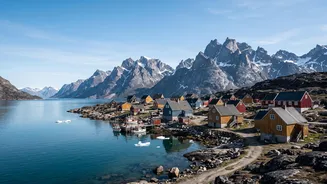
Often the first point of entry for travellers exploring East Greenland, Kulusuk is more than just a landing strip. This small settlement of around 200 people offers a powerful introduction to traditional life, where hunting and fishing remain central
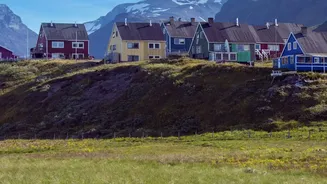
to the community's survival. The village is a cluster of brightly coloured houses, with sled dogs waiting for winter's work. Visitors can easily spend a day wandering its paths, visiting the small, family-run museum, and seeing the church, which was famously built with timber from a shipwreck. For a dose of adventure, local guides offer boat trips to see the massive icebergs drifting down the coast or hikes up Isikajia Mountain for sweeping views across the Denmark Strait. Because polar bears are sometimes sighted, it's recommended to explore outside the village with a local guide.
Tasiilaq: The Colourful Hub
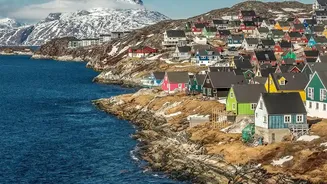
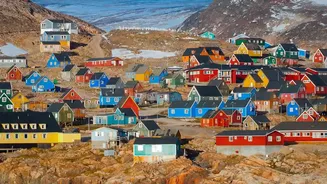
A short helicopter or boat ride from Kulusuk, Tasiilaq is the largest town in East Greenland, yet it retains a distinct village feel with about 1,800 residents. Nestled within a harbour and surrounded by jagged, towering mountains, the scenery is dramatic and breathtaking. A river runs through the town, which is full of colourful houses built on hilly terrain. Tasiilaq serves as a base for incredible wilderness adventures, including hikes into the nearby 'Valley of Flowers', boat tours on the Sermilik Fjord (the second-largest icefjord in Greenland), and kayaking among colossal icebergs. In town, the Ammassalik Museum, housed in a former church, offers a deep dive into local history and art, including handcrafted tupilaks and beaded jewellery. Despite its remoteness, the town is surprisingly self-sufficient, with several shops and a lively community spirit.
Qaqortoq: Art and History in the South
Considered one of the most beautiful towns in South Greenland, Qaqortoq is a vibrant hub of culture and history. The town is built around a central square featuring Greenland's oldest fountain. Its most unique feature is the 'Stone and Man' project, an open-air art gallery with over 40 sculptures carved into rock faces throughout the town by Nordic artists. Beyond the art, Qaqortoq is a perfect base for exploring the region's rich Norse history. Day trips by boat can take you to the remarkably well-preserved Hvalsey Church ruins, a UNESCO World Heritage site where the last known Norse wedding took place in 1408. For relaxation, the natural hot springs at Uunartoq are a popular excursion, where you can soak in 38°C water while watching icebergs drift by in the fjord.
Narsaq: Where Vikings and Rare Minerals Meet
Narsaq, whose name means 'plain', is nestled in a green valley in South Greenland, offering a different kind of landscape. This town of roughly 1,300 people is a centre for sheep farming, but it is also a paradise for geology enthusiasts. The nearby Kvanefjeld mountain contains over 200 different minerals, including the rare, pink gemstone Tugtupit. History buffs will appreciate that Narsaq is thought to be near where Erik the Red first settled. You can still see the footprint of one of the area's oldest Norse ruins, the Landnám homestead, near the town centre. While there are fewer organized tours here, Narsaq is ideal for independent hikers and fishers who want to explore pristine rivers, hidden lakes, and forgotten ruins on their own terms. After a day of exploring, you can relax with a locally brewed beer made from ancient iceberg water.
Ittoqqortoormiit: The Edge of the World
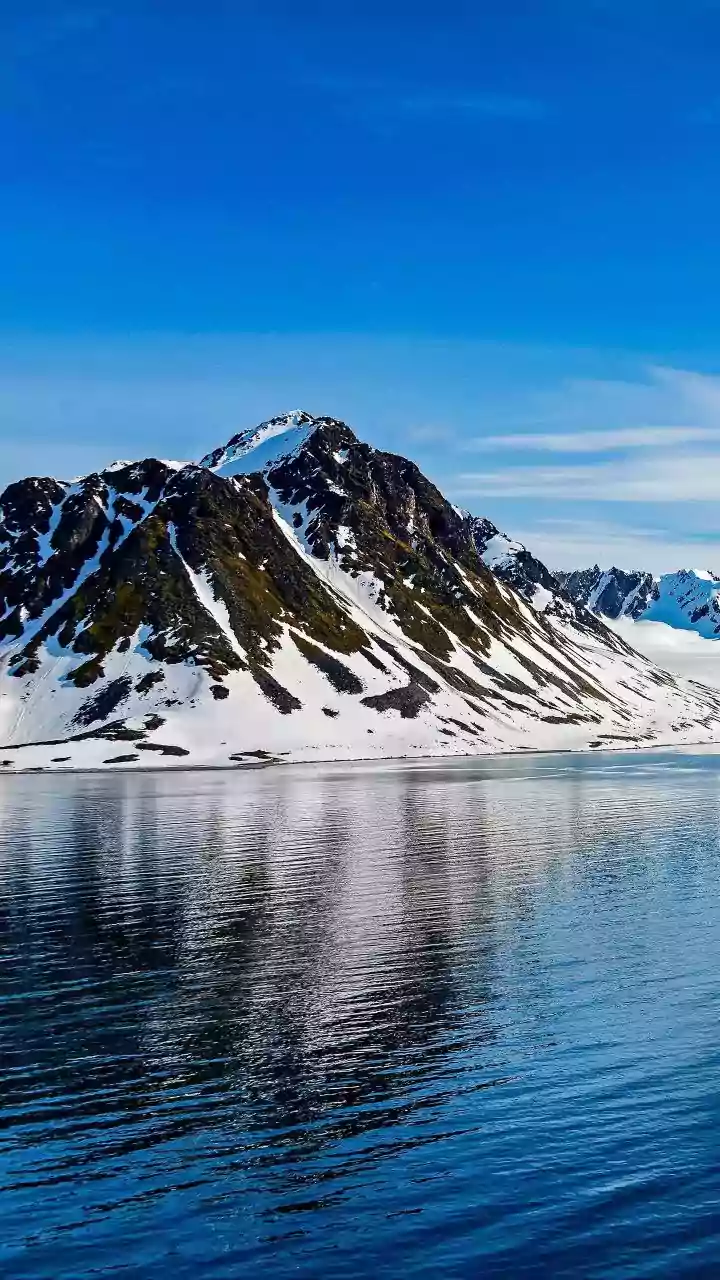
For the truly adventurous, Ittoqqortoormiit is one of the most remote inhabited communities in the world. Located 500 kilometres north of the Arctic Circle at the mouth of the world's largest fjord system, getting here is an expedition in itself, usually requiring a flight from Iceland followed by a helicopter or boat transfer. With a population under 400, life here is defined by hunting and the extreme environment. Sea ice locks the village in for nine months of the year. For visitors, it offers unparalleled access to the Northeast Greenland National Park and Scoresby Sound. Activities are guided by the seasons, from dog sledding and seeking the Northern Lights in winter to kayaking and watching for narwhals and polar bears in the brief summer. A visit here is a profound experience of silence, vastness, and the resilience of a community at the edge of the world.