





The Tyranny of The Calorie Count
For years, we've been told that the key to health and weight management lies in a simple equation: calories in versus calories out. This led to the rise of countless apps that turn every meal into a maths problem. While tracking can be a useful tool for
awareness, for many, it becomes a source of stress and anxiety. It can disconnect us from our body's natural hunger and satiety cues, promoting an obsessive relationship with food. This numbers-first approach often misses the bigger picture: the quality of the food and its nutritional composition. A 200-calorie snack of chips is not the same as 200 calories of almonds and fruit. Focusing solely on calories ignores the vital role of macronutrients—proteins, carbohydrates, and fats—which are the true building blocks of a healthy body.
The Ancient Wisdom of the Indian Thali
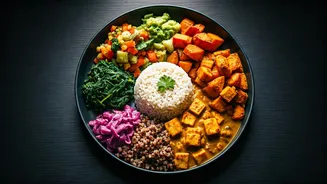
Long before macro calculators existed, the traditional Indian thali mastered the art of balanced eating. It’s not a random assortment of dishes; it’s a thoughtfully curated system designed to deliver a complete nutritional profile in one meal. A typical thali intuitively incorporates all essential food groups, providing a wholesome mix of complex carbs, lean protein, healthy fats, fibre, vitamins, and minerals. It also engages all six tastes (sweet, sour, salty, bitter, pungent, and astringent) as per Ayurvedic principles, which is believed to promote satiety and satisfaction, reducing the urge to overeat or seek out unhealthy snacks later. By understanding the 'why' behind the thali, we can reclaim this wisdom and build a perfect plate without a single calculation.
Start with Protein (1/4 of Your Plate)
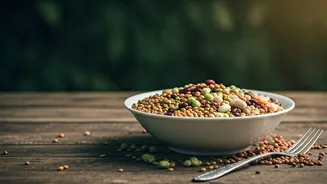
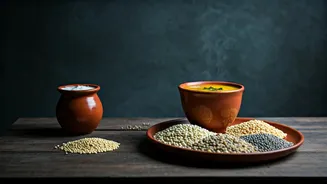
Protein is essential for muscle repair, satiety, and keeping you full for longer. This is the cornerstone of your balanced platter. Aim to fill about a quarter of your plate with a high-quality protein source. A generous katori of dal (lentils), sambar, chana (chickpeas), or rajma (kidney beans) is a fantastic plant-based option. For non-vegetarians, this could be a piece of grilled fish, chicken curry (made with minimal oil), or a couple of eggs. Vegetarians can also turn to paneer, tofu, or a mixed-legume curry. This protein component stabilises your blood sugar and prevents the energy crash that often follows a carb-heavy meal.
Add Complex Carbs (1/4 of Your Plate)
Carbohydrates are not the enemy; they are your body's primary source of energy. The key is choosing the right kind. Ditch the refined flour and opt for complex carbohydrates that provide sustained energy and fibre. This portion should also take up about a quarter of your plate. Choose two small whole-wheat rotis, one jowar or bajra bhakri, or a small portion of brown or unpolished rice. These options are rich in B vitamins and fibre, which aid digestion and promote a feeling of fullness. If you’re having rice, pairing it with dal creates a complete protein, making the meal even more nutritionally powerful.
Fill Up with Fibre (1/2 of Your Plate)
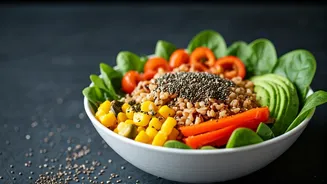
This is the most important—and often most neglected—part of the modern Indian diet. The remaining half of your plate should be packed with vegetables. A seasonal sabzi, whether dry (like a bhindi fry) or a light curry (like lauki or tori), is non-negotiable. Vegetables are low in calories but dense in fibre, vitamins, and antioxidants. In addition, always add a side of fresh salad (kachumber)—think chopped cucumber, tomato, and onion with a squeeze of lime. This fibre-rich component adds volume to your meal, slows down sugar absorption, keeps your digestive system healthy, and ensures you get a wide spectrum of micronutrients.
The Finishing Touches: Probiotics and Fats
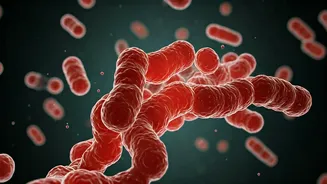
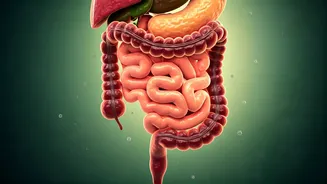
Finally, no Indian meal is complete without its accompaniments, which serve crucial nutritional purposes. A small bowl of plain dahi (curd) or a light raita provides probiotics, which are vital for gut health and digestion. A spoonful of ghee on your roti or rice is not something to fear; it's a healthy saturated fat that aids in the absorption of fat-soluble vitamins (A, D, E, and K) and lubricates the joints. These finishing touches transform a good meal into a great one, ensuring your body can effectively absorb and utilise all the nutrients you’re consuming.