



The electric vehicle revolution is gaining speed, but high costs and reliance on scarce materials remain significant roadblocks. A new battery technology, however, promises a breakthrough by using one of the most abundant elements on Earth: sodium.
What Are Sodium-Ion Batteries?
At
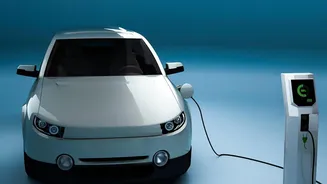
their core, sodium-ion batteries (often called Na-ion or SIBs) are rechargeable batteries that function almost identically to the lithium-ion batteries found in your smartphone and most electric cars today. They store and release energy by moving ions between a positive electrode (cathode) and a negative electrode (anode) through a liquid electrolyte. The fundamental difference, as the name suggests, is that they use sodium ions as the charge carriers instead of lithium ions. This might seem like a small change, but it has massive implications for cost, safety, and sustainability.
The Cost Advantage: Abundant and Accessible
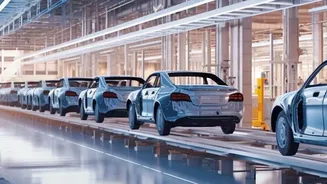
The primary driver behind the excitement for sodium-ion technology is cost. Sodium is the sixth most abundant element in the Earth's crust and can be easily extracted from common sea salt. This makes it dramatically cheaper than lithium, the supply of which is concentrated in a few countries, leading to price volatility and geopolitical supply chain risks. Furthermore, sodium-ion batteries can often eliminate the need for other expensive and ethically-problematic materials like cobalt and nickel, which are common in many lithium-ion chemistries. Because the core chemistry is so similar, manufacturers can potentially adapt existing lithium-ion production lines to make sodium-ion cells, reducing the need for massive capital investment in new factories.
Performance and Practical Trade-offs
If sodium-ion batteries are so much cheaper, why aren't they in every EV? The main trade-off is lower energy density. This means that for the same weight or volume, a sodium-ion battery stores less energy than a comparable lithium-ion battery. For a high-performance, long-range luxury EV, this is a significant drawback. However, for other applications, this is less of a concern. Another challenge has been a shorter cycle life, meaning the battery degrades faster over repeated charges and discharges, though research is rapidly closing this gap. On the plus side, sodium-ion batteries offer significant safety advantages, including better thermal stability which reduces the risk of fire. They also perform much better in cold weather, a known weakness of lithium-ion technology.
The Real-World Impact on EVs
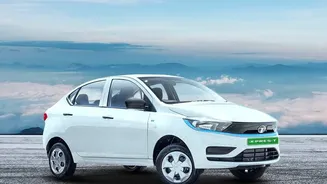
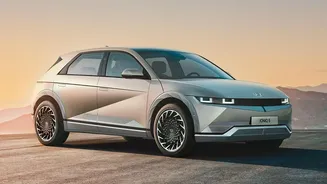
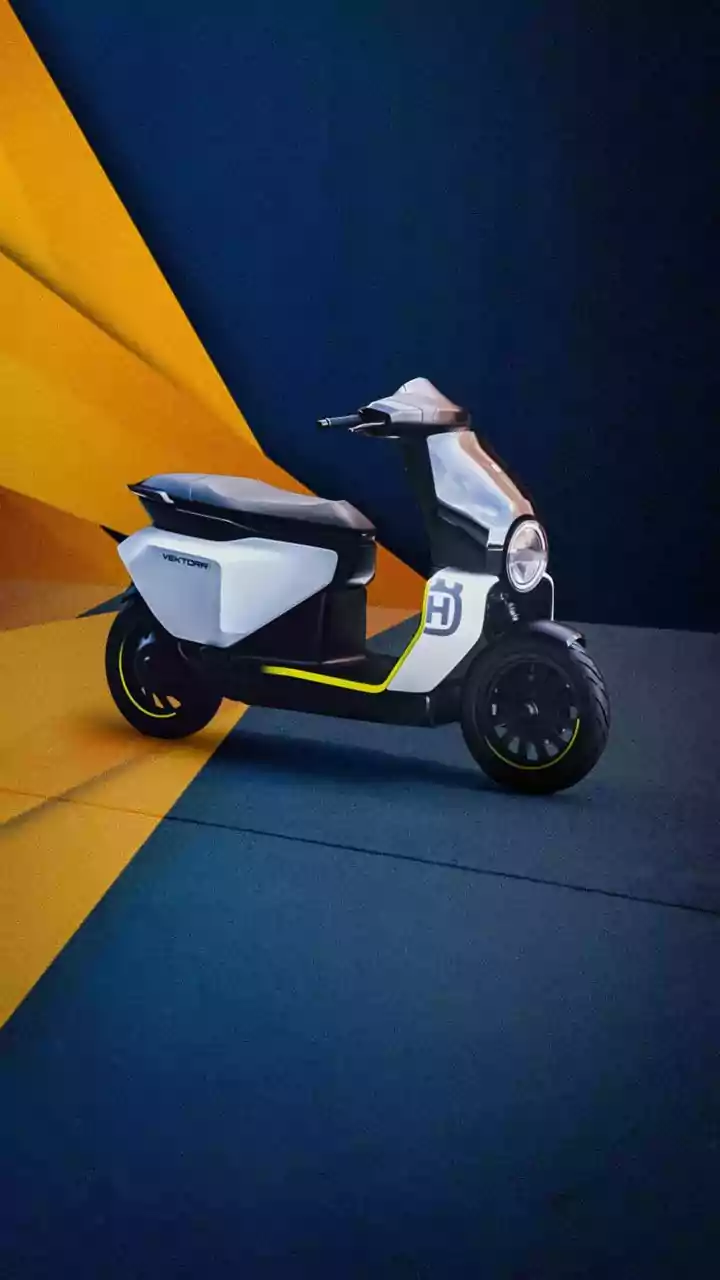
Sodium-ion technology is not positioned to be a "lithium killer" that replaces all existing batteries. Instead, it's an alternative set to unlock new market segments. Its lower energy density makes it less suitable for top-tier performance cars, but it is an ideal solution for more affordable, shorter-range vehicles. Think city commuter cars, electric scooters, and three-wheelers, where a range of 200-300 kilometres is more than sufficient and price is the main purchasing factor. The market for these smaller, more affordable EVs is enormous, particularly in India. By using sodium-ion batteries, manufacturers can significantly cut the cost of the single most expensive component in an EV—the battery pack—and pass those savings on to consumers.
A Game-Changer for India's EV Ambitions
For India, sodium-ion technology represents a strategic opportunity. The country has ambitious goals for EV adoption but is heavily reliant on imports for lithium-ion cells and their raw materials. Developing a domestic sodium-ion battery ecosystem aligns perfectly with the "Make in India" initiative, leveraging locally abundant resources to build energy independence. Several Indian companies, like IndiEnergy, GODI, and Rechargion, are already making headway in developing and commercializing sodium-ion batteries specifically for the Indian market. This could not only make EVs more affordable for millions of Indians but also establish the country as a manufacturing hub for a crucial next-generation energy storage technology.