





The Science of Monsoon Eating
During the monsoon, the digestive fire, or 'Agni' in Ayurveda, is believed to be at its weakest. The damp, humid weather can slow down our metabolism, making us more susceptible to indigestion, bloating, and infections. This is why traditional Indian
diets pivot towards foods that are light, easy to digest, and immunity-boosting. The focus shifts from heavy, rich meals to simpler, cooked vegetables that nourish the body without overburdening the system. It’s not just folklore; it’s a time-tested strategy for seasonal wellness. These vegetables are typically low in calories but high in essential nutrients and fibre, helping to cleanse the system and keep you energetic.
Gourds: The Monsoon Superstars
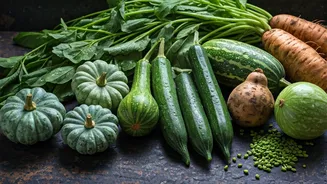
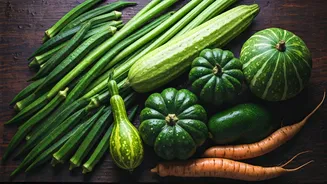
Vegetables from the gourd family are the undisputed heroes of the monsoon kitchen. Think lauki (bottle gourd), turai (ridge gourd), parwal (pointed gourd), and kundru (ivy gourd). These vegetables are packed with water (often over 90%), which helps keep you hydrated. More importantly, they are incredibly light on the stomach and easy to digest. Lauki, for example, is rich in fibre which aids digestion and prevents constipation, a common monsoon woe. Parwal is loaded with Vitamin A and C, both crucial for a strong immune system. Their subtle flavours make them versatile for simple curries, stir-fries, and soups that are both comforting and healthy.
Bitter is Better: Karela's Role
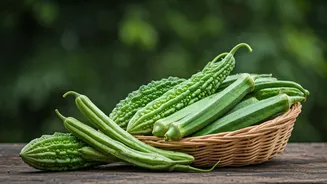
Many of us might cringe at the thought of it, but bitter gourd (karela) is a powerhouse during the monsoon. Its bitter nature is its greatest strength. In traditional medicine, bitter foods are known to stimulate the digestive juices and improve metabolism, directly countering the sluggishness of the season. Karela is also packed with antiviral and antibacterial properties, providing a natural defence against common monsoon infections like the cold and flu. Furthermore, it's an excellent food for managing blood sugar levels. A simple stir-fry with minimal spices or a stuffed karela dish can be a potent addition to your weekly menu.
Tubers and Roots for Grounding Energy
While heavy foods are avoided, certain root vegetables like sweet potato (shakarkandi) and yam (suran/jimikand) are excellent choices. They are grounding, provide sustained energy, and are rich in complex carbohydrates and fibre. Sweet potatoes are a fantastic source of Vitamin A, a key nutrient for maintaining the health of our respiratory system, which is often under attack during the damp season. Suran is known for its ability to improve gut health. When cooked well with digestive spices like ginger, ajwain (carom seeds), and hing (asafoetida), these tubers provide warmth and nourishment without being difficult to digest.
A Note on Leafy Greens
Traditionally, there's a word of caution against consuming too many leafy green vegetables (saag) during the monsoon. This isn't because they are inherently unhealthy, but because the damp, muddy conditions are ideal for germs, worms, and bacteria to thrive on their leaves. If you do choose to eat them, it is absolutely essential to wash them thoroughly, perhaps by blanching them in hot water with a little salt or turmeric before cooking. Opting for thoroughly cooked preparations over raw salads is the safest bet. It's a simple precaution that respects the realities of the season.
The Power of Spices
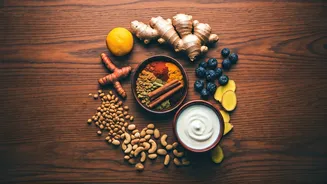
No discussion of a monsoon diet is complete without mentioning spices. This is the season when turmeric (haldi), ginger (adrak), garlic (lehsun), black pepper (kali mirch), and asafoetida (hing) truly shine. These are not just flavouring agents; they are potent medicine. Turmeric is a powerful anti-inflammatory and antiseptic. Ginger and garlic are famous for their immunity-boosting and anti-viral properties, making them essential in fighting off colds. Hing and ajwain are brilliant carminatives that aid digestion and prevent gas and bloating. Incorporating these spices generously in your vegetable preparations enhances their benefits and makes them monsoon-ready.