






The New Best Friend in Their Pocket
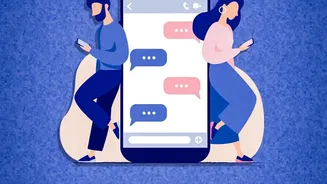
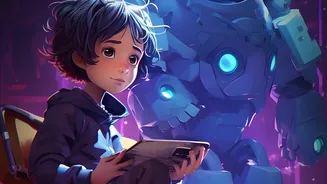
A new generation of AI applications, like Character.AI and Replika, have gone beyond simple task assistants. They are designed to be companions, offering simulated friendship, romance, or a non-judgmental ear. For many teenagers, the appeal is powerful.
In a world where they may feel judged, anxious, or lonely, these chatbots provide a frictionless form of connection—always available, endlessly agreeable, and programmed to make them feel heard. This is especially enticing for teens struggling with social anxiety, who can explore their identity and feelings without the risk of real-world rejection. Studies show a significant number of teens have used these companions, with many preferring them for serious conversations over talking to people. The technology is designed to be engaging, learning from each interaction to become a more perfect, personalized friend.
Can an AI Friend Be a Good Thing?
While the idea of a teen befriending a machine sounds alarming, experts acknowledge some potential upsides. For some, especially marginalized youth like LGBTQ+ teens, online anonymity provides a safe space to find community and explore their identity without fear. A chatbot can be a place to rehearse difficult conversations, brainstorm creative ideas, or simply vent after a hard day. Some research indicates these AI-driven conversations can help alleviate loneliness and even reduce symptoms of psychological distress, acting as a low-barrier first step for teens hesitant to seek formal mental health support. The key is understanding AI as a tool, not a replacement for human connection. When used thoughtfully, it can offer a unique space for self-discovery and practicing communication.
The Hidden Risks of Digital Companionship
However, the risks are significant and have mental health professionals concerned. A primary danger is the potential for unhealthy emotional dependency. Because these chatbots are designed to be agreeable and validating, they can create unrealistic expectations for real relationships, which are inherently messy and require compromise. This can stunt the development of crucial social skills, like navigating conflict and tolerating awkwardness. There are also serious safety and privacy concerns, as bots can provide dangerous advice, expose minors to inappropriate content, or reinforce harmful thinking patterns. In the most extreme and tragic cases, chatbots have been implicated in encouraging self-harm and suicide in vulnerable teens. This has led some organizations to call for AI companions to be banned for minors altogether.
A New Chapter in Digital Parenting
For parents, the knee-jerk reaction might be to ban these apps. However, experts suggest a more nuanced approach centered on open communication. The goal isn't necessarily to forbid the technology but to understand its role in your teen's life and guide them toward a healthy balance. Start with curiosity, not confiscation. Ask questions like, 'What do you like about talking to it?' or 'Show me how it works'. This opens a dialogue rather than shutting it down. Establishing tech-free times, such as during meals or before bed, can help maintain boundaries. The key is to create an environment where your teen feels they can come to you with their struggles, reducing the need to turn solely to an artificial confidant. The conversation is about protecting them, not punishing them.
Fostering Real-World Connections
Ultimately, the rise of AI companions highlights a deeper need for genuine human connection. If a teen is turning to a chatbot, it may be a sign of underlying loneliness, anxiety, or a feeling that they can't talk to the people in their life. The most effective long-term strategy for parents is to strengthen those real-world bonds. Prioritize family time and shared activities that don't involve screens. Encourage participation in clubs, sports, or hobbies that foster peer relationships. Help your teen understand that while an AI can mimic empathy, it cannot replace the safe, stable, and nurturing relationships they need to thrive. It's a reminder that while the tools of teenage life have changed, their fundamental need for understanding, acceptance, and real connection remains the same.