





The Ultimate Hostel Hack
The life of a hostel student is a masterclass in optimization. How do you study, socialize, and sleep in a 10x10 foot room shared with others? The same logic applies to fitness. There's no time for a 90-minute gym commute and session. This constraint
has sparked a fitness revolution built on brutal efficiency: short, high-intensity workouts that can be done anywhere, anytime. The 20-minute routine has become popular not just because it's fast, but because it works. It's a workout born from necessity, fitting perfectly into the sliver of time between a late-night study session and an early morning class.
The Power Duo: Squats and Planks
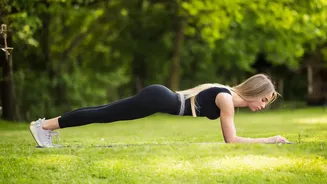
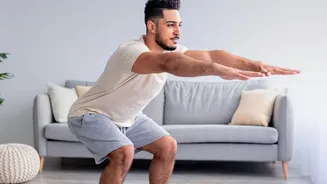
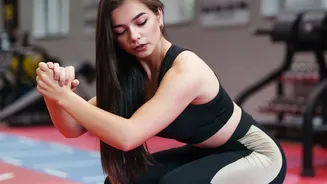
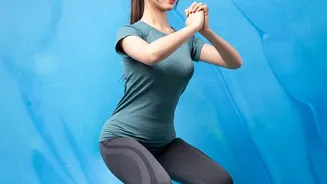
Why these two exercises? Because they are compound movements, meaning they engage multiple muscle groups and joints at once. A squat doesn't just work your thighs; it activates your glutes, hamstrings, calves, and core. It's a full-body event in a single movement. The plank is its perfect partner. While the squat is dynamic, the plank is an isometric hold that builds incredible core strength, stability, and endurance, which is crucial for protecting your spine in everyday life. Together, they provide a comprehensive workout that builds functional strength, improves posture, and burns significant calories without needing a single piece of equipment.
The Science of 'Fast Results'
The promise of 'fast results' comes from the principles of High-Intensity Interval Training (HIIT). These short, intense workouts push your body into an anaerobic state, forcing it to burn more fat for energy. More importantly, they trigger a phenomenon called Excess Post-exercise Oxygen Consumption (EPOC), or the 'afterburn effect'. This means your metabolism stays elevated and you continue to burn calories for hours after you've finished exercising. Furthermore, the metabolic stress from HIIT can stimulate the release of growth hormones, helping to build muscle definition and strength more efficiently than long, slow cardio sessions.
More Than Muscle: The Mental Boost
For students facing academic pressure, the psychological benefits of a short workout can be as significant as the physical ones. Research shows that even brief, moderate exercise can have a profound, positive impact on mental health, helping to reduce anxiety and symptoms of depression. Physical activity stimulates brain chemicals that improve your mood and leave you feeling more relaxed and happier. It provides a welcome mental break, improving focus, memory, and cognitive function—essential tools for academic success. A quick 20-minute session can be the perfect way to clear your mind, boost energy, and build the mental resilience needed to tackle a long day of studying.
Your 20-Minute Blueprint
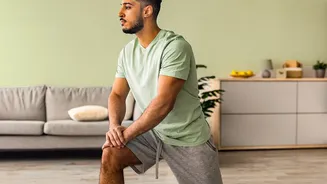
Ready to try it? The beauty of this workout is its simplicity. All you need is a small patch of floor. A good starting point is to work in circuits. Warm-up (2 minutes): Light cardio like jumping jacks, high knees, and arm circles. Circuit (15 minutes): Perform each exercise for 45 seconds, followed by 15 seconds of rest. Repeat the entire circuit 3-4 times. Bodyweight Squats (focus on form: chest up, back straight, go as deep as is comfortable). Plank (keep your back straight and core engaged). Jumping Jacks (for a cardiovascular push). Reverse Lunges (alternate legs, great for stability). Cool-down (3 minutes): Gentle stretching, focusing on your legs and core.