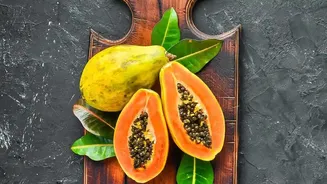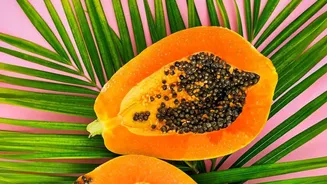






Mango and papaya are two of India's most beloved fruits, each gracing our tables with vibrant colour and sweet flavour. But when it comes to nutrition, how do they stack up against each other? Let's break it down, nutrient by nutrient.
The Calorie and Sugar Question
For those managing
their weight or sugar intake, papaya has a clear advantage. A 100-gram serving of papaya contains approximately 43 calories and about 7.8 grams of sugar. In contrast, the same amount of mango has around 60 calories and 13.7 grams of sugar. While both are healthy choices, papaya is the lower-calorie, lower-sugar option, making it a preferable fruit for those on specific dietary plans. Mango's higher sugar content contributes to its intensely sweet flavour, but it's something to be mindful of, particularly for individuals monitoring their blood sugar levels.
Vitamin C: The Immunity Booster
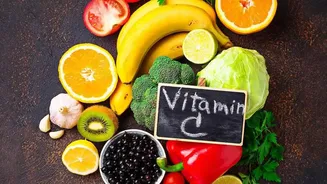
When it comes to vitamin C, an essential antioxidant for immune function and skin health, papaya is the undisputed winner. A 100-gram serving of papaya provides about 60.9 mg of vitamin C, which is significantly more than the 36.4 mg found in the same portion of mango. This means papaya delivers about 70% more of this vital nutrient. While both fruits are excellent sources, reaching for a papaya can give your immune system an extra edge.
Vitamin A and Folate: Mango Takes the Lead
Mango shines when it comes to Vitamin A and folate. It contains more beta-carotene, the precursor to vitamin A which is crucial for eye health and immune function. A 100-gram serving of mango has about 54 micrograms (mcg) of vitamin A, compared to papaya's 47 mcg. Mango is also a richer source of folate (Vitamin B9), which is vital for cell growth and metabolism, making it an especially beneficial fruit during pregnancy. Mango offers 43 mcg of folate per 100g, while papaya provides around 37 mcg.
Fibre and Digestion: A Tale of Two Enzymes
Both fruits have similar amounts of dietary fibre, with about 1.6 to 1.7 grams per 100g, aiding in digestive regularity. However, their unique enzymes set them apart. Papaya contains papain, a wellknown proteolytic enzyme that helps break down proteins, which can ease digestion, reduce bloating, and soothe inflammation. Mango, on the other hand, contains amylase enzymes that help digest carbohydrates, along with a unique antioxidant called mangiferin. So, while both are good for your gut, papaya is particularly famous for its proteindigesting prowess.
Special Bioactive Compounds
Beyond standard vitamins, each fruit boasts a unique powerhouse compound. Papaya's fame comes from papain, which is not only a digestive aid but also has antiinflammatory properties used in remedies for pain and swelling. Mango's secret weapon is mangiferin, a potent antioxidant found almost exclusively in the mango plant. Studies have explored mangiferin for its antiinflammatory, antidiabetic, and even anticancer properties, making it a subject of significant scientific interest. It may also support heart health and protect against liver damage.
Glycemic Index: Impact on Blood Sugar
The glycemic index (GI) measures how quickly a food raises blood sugar. Here, the fruits are quite comparable, though mango has a slight edge. Mango has a low GI, typically around 51. Papaya's GI is slightly higher, usually rated in the medium range at about 56 to 60. For individuals with diabetes, this means that while both can be included in a balanced diet, mango may cause a slightly slower rise in blood sugar levels. However, portion size remains the most critical factor for managing blood glucose.