



The Great Grain Comeback
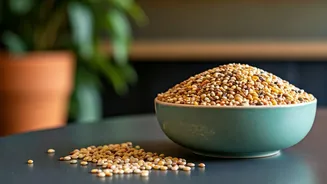
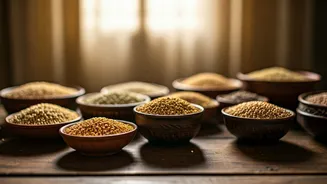
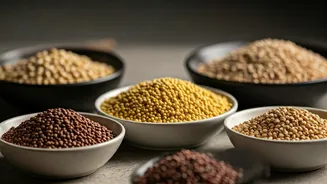
Weekend brunch in urban India has long been a theatre of trendy foods. But recently, a surprising protagonist has taken centre stage: the humble millet. Once considered a rural staple, grains like ragi (finger millet), jowar (sorghum), and bajra (pearl
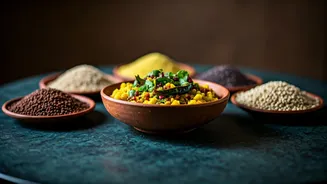
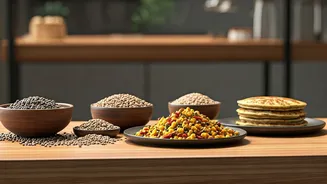
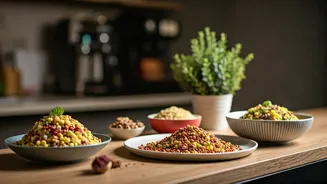
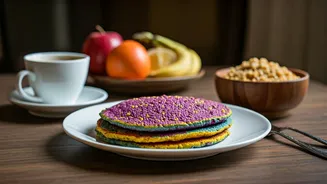
millet) are now the main ingredients in gourmet dishes at chic cafes and upscale restaurants. We're not just talking about a simple porridge. Chefs are crafting everything from ragi pancakes and foxtail millet upma to jowar tacos and sprouted millet salads. This isn't a quiet return; it's a full-blown culinary renaissance, turning what was once called a 'poor man's grain' into a symbol of conscious, modern eating. The 'flex' is no longer about just eating out, but about what you choose to eat—and picking millets is a nod to both global wellness trends and deep-rooted Indian heritage.
From Ancient Staple to Modern Superfood
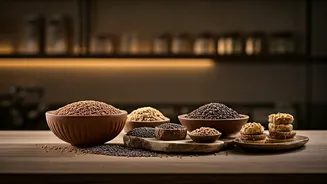
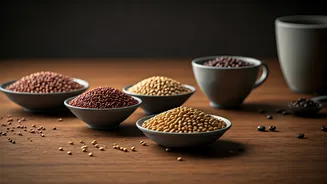
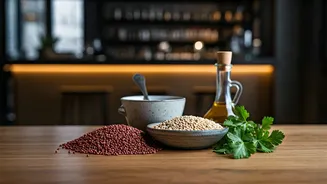
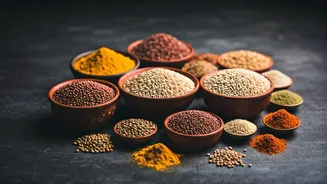
Millets are among the oldest foods known to humanity, with archaeological evidence tracing their cultivation in India back thousands of years. These hardy, drought-resistant crops were the nutritional backbone of the subcontinent long before rice and wheat dominated Indian fields and plates. However, with the Green Revolution favouring high-yield wheat and rice, millets were gradually pushed to the sidelines, their consumption dropping significantly over the decades. Their recent resurgence is driven by a renewed appreciation for their incredible nutritional profile. Millets are naturally gluten-free, rich in protein, packed with fibre, and have a low glycemic index, which helps manage blood sugar levels. Ragi is a powerhouse of calcium, bajra is loaded with iron, and others offer a wealth of essential minerals and vitamins, making them a formidable weapon against modern lifestyle diseases.
The Push from Pundits and Policy
The millet movement isn't just a grassroots trend; it has significant backing. The United Nations, at India's behest, declared 2023 the 'International Year of Millets', catapulting the grain into the global spotlight. This government-led push created a massive wave of awareness, with everyone from celebrity chefs like Sanjeev Kapoor and Ranveer Brar to food influencers championing the grain. Luxury hotel chains and popular restaurants were quick to incorporate millets into their menus, making them an integral part of high-profile events like the G20 summit. This top-down promotion, combined with a bottom-up demand from health-conscious consumers, created the perfect storm for a millet revival. As one chef noted, the UN's declaration gave an impetus to the usage and consumption of millets worldwide, encouraging a greater variety of packaged and ready-to-eat foods.
A Chef's Creative Canvas
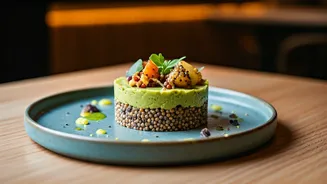
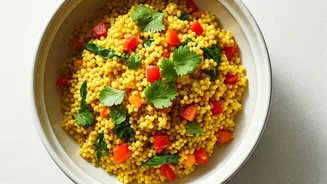
For chefs, millets offer a new and exciting canvas. Their diverse textures and nutty, earthy flavours provide a creative challenge that goes beyond simply substituting for rice or wheat. In Mumbai, The Bombay Canteen reimagined haleem with millets, while Noon restaurant crafts sophisticated millet dosas. In Goa, Elaa Bar and Cafe serves up innovative millet tacos. Chefs note that while millets can be slightly dry, this can be balanced by using ingredients like ghee, milk, and curd, allowing them to absorb flavours beautifully. This culinary experimentation is crucial. By presenting millets in formats that are both delicious and Instagram-worthy—like millet risotto or finger millet papdi chaat—chefs are making these ancient grains aspirational for a new generation of diners.
More Than a Fad?
With any trend, there's always the question of staying power. Is the millet brunch just another fleeting wellness fad? The evidence suggests otherwise. The benefits of millets are multi-dimensional. For consumers, they offer superior nutrition. For farmers, these resilient crops require less water than rice and can grow in arid conditions, offering a more sustainable livelihood in a changing climate. For the environment, promoting their cultivation supports biodiversity. This powerful combination of benefits—for personal health, agriculture, and the planet—makes the millet movement one of the most significant shifts in modern Indian food culture. It represents a turn towards sustainable, local, and nutritious eating that feels both authentically Indian and globally relevant.