



Beyond the Static Image
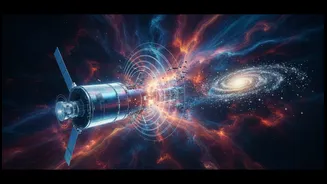
NASA’s Chandra X-ray Observatory, one of its Great Observatories alongside Hubble and Webb, has begun a pioneering initiative in science communication. This new “immersive storytelling mode” isn't a single feature but a multi-faceted project designed
to translate complex astronomical data into experiences you can hear, see in 3D, and even touch. For years, scientists have converted the digital ones and zeros collected by telescopes into stunning visual images. Now, they are taking that same raw data and transforming it into soundscapes, interactive 3D models, and augmented reality (AR) experiences. The goal is to make the universe more accessible and intuitive for everyone, from curious learners to the scientific community, including those who are blind or have low vision.
A Symphony of Supernovae
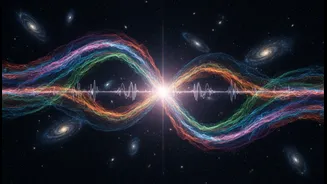
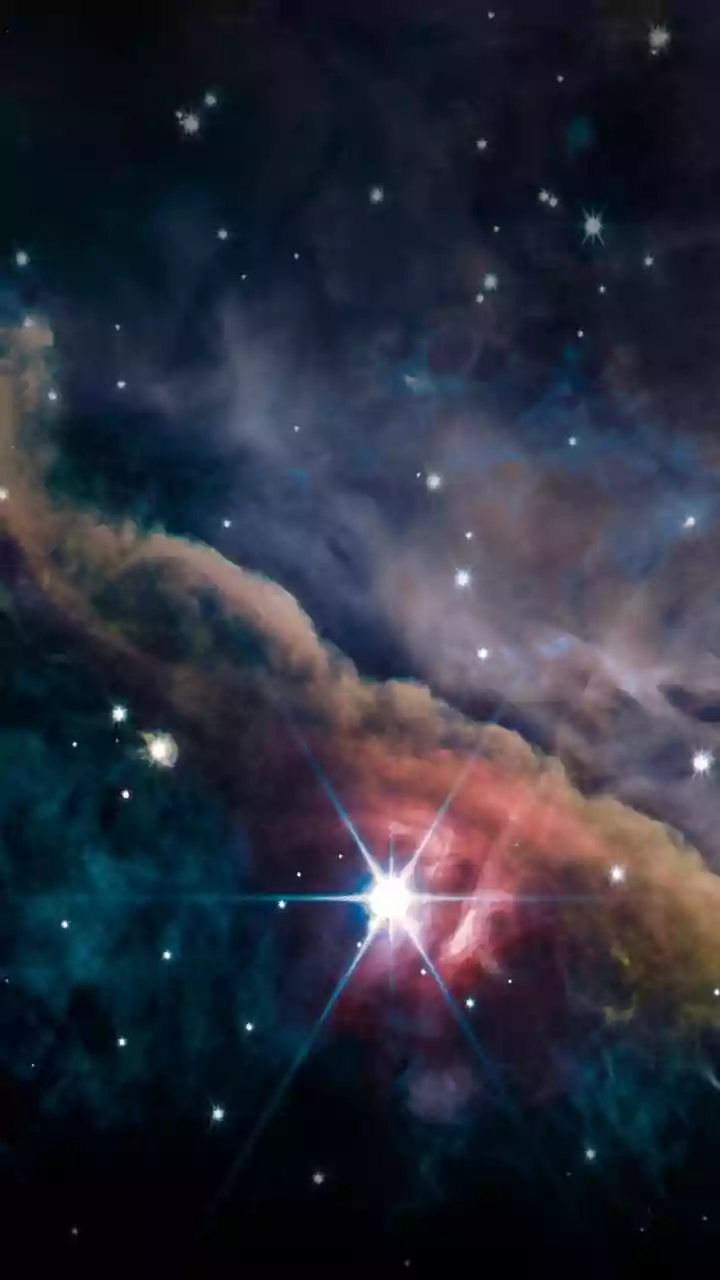
At the heart of this initiative is data sonification, the process of converting information into sound. A team of scientists, musicians, and accessibility experts has been working since 2020 to map astronomical data to audio. For example, in an image of a supernova remnant like Cassiopeia A, the brightness of X-ray light might correspond to volume, while its position on the image dictates the musical pitch. Elements detected by different telescopes, like the James Webb or Hubble, can be assigned unique instrument sounds, such as piano notes for X-rays and synthesizer tones for optical light. The result is a celestial symphony where listeners can aurally distinguish different components of a cosmic object. This not only provides a captivating new way to experience space but also makes the data accessible to people who cannot see the images, offering a rich, data-driven understanding through hearing.
Touching the Stars
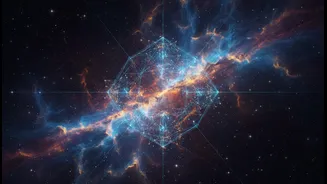
The project extends into the third dimension with the creation of detailed 3D models of celestial objects. Using a combination of observational data and sophisticated simulations, scientists have constructed models of phenomena like the Cygnus Loop supernova remnant. These aren't just artistic renderings; they are scientifically accurate representations of these complex structures. You can explore them on a screen, rotating them to understand their shape from all angles. Taking it a step further, NASA has made files available for 3D printing, allowing anyone to fabricate a physical replica of a nebula. To bring the cosmos even closer to home, these models have been integrated into augmented reality filters on social media platforms like Instagram. With a tap on your phone, you can place a model of an exploded star in your living room, walk around it, and in some cases, listen to its sonified data simultaneously.
The New Language of Engagement
This immersive push is a strategic evolution in science outreach, driven by NASA's Universe of Learning program. In an age of information overload, simply presenting facts and figures is no longer enough to capture public imagination. By creating multi-sensory experiences, NASA is fostering a deeper, more emotional connection to its discoveries. This approach helps people build a more intuitive grasp of complex topics, like the structure of a black hole's accretion disk or the aftermath of a stellar explosion. It represents a shift from passively showing people the universe to actively inviting them to participate in its exploration. By speaking the modern language of interactive digital media, NASA is ensuring that the wonders of astrophysics can inspire the next generation of scientists, artists, and explorers.