





Indian Railways is addressing one of the most persistent passenger complaints: the quality of onboard meals. IRCTC has launched a pilot project on select Vande Bharat trains to standardise food preparation, aiming for a more consistent and hygienic experience.
The Core Problem: A Recipe for Inconsistency
For years, passengers on Indian Railways have voiced concerns over the quality, hygiene, and taste of food served during their journeys. Incidents of cold food, stale meals, and even insects found in dishes have surfaced, creating a trust deficit. Officials noted that preparing an elaborate menu with limited staff, time, and kitchen space inside pantry cars presents significant operational challenges. This often leads to a wide variation in meal quality from one train to another, and even on different days on the same route. The new trial is a direct response to these frequent complaints, aiming to introduce a system that prioritises quality over quantity.
A 'Less Is More' Approach
The new model, described as a Proof of Concept (PoC), fundamentally changes how meals are prepared and served. The core idea is to de-link meal production from onboard service. Instead of relying solely on traditional railway vendors and pantry cars, IRCTC is partnering with major external kitchens, including established restaurant chains, flight caterers, and large-scale cloud kitchens. This move is designed to ensure food is prepared in controlled, hygienic industrial kitchens before being supplied to the trains. The other major change is a shift to a compact, airline-style menu. The number of items in a meal has been reduced from as many as eight or ten down to four core dishes. This allows catering teams to better monitor quality, freshness, and consistency.
The Three Trial Routes
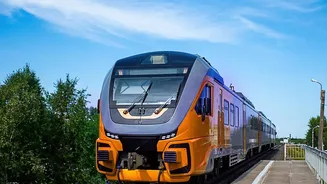
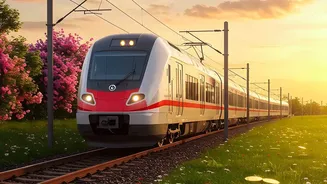
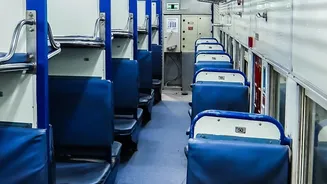
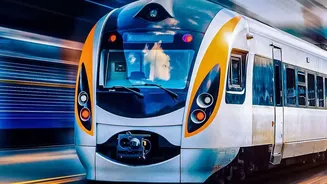
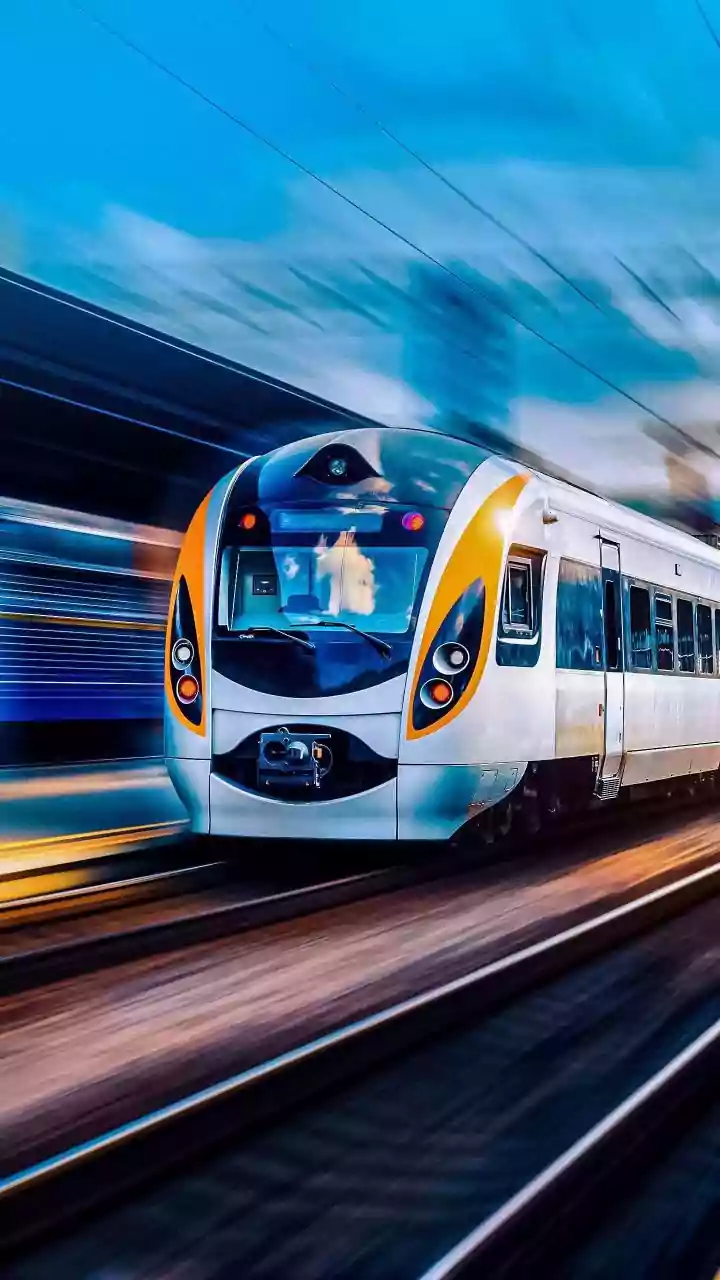
The initial trial, which began on November 1, 2026, is being conducted on all three Vande Bharat sleeper train routes. These are the New Delhi-Varanasi, Mumbai-Bengaluru, and Howrah-Kamakhya (Guwahati) services. To facilitate this, IRCTC has partnered with respected names in the hospitality industry. The Mayfair Group is handling meals for the Howrah-Kamakhya line, TajSATS is managing the Howrah end, and the Sarovar Portico Group is responsible for the other routes. These partners are tasked with preparing the new, streamlined menus in their professional kitchens. Some reports also mention trials on chair-car Vande Bharat routes like Nagpur-Secunderabad and in the south, involving caterers like Haldiram's and Casino Air Caterers.
What's On the New Menu?
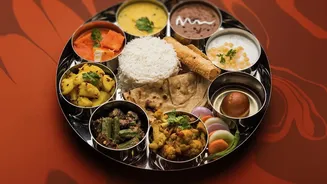
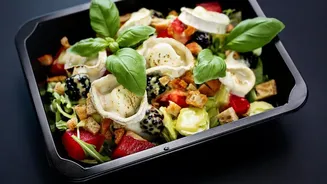
Passengers on these trial routes will notice a significantly trimmed menu. For example, on the Mumbai-Bengaluru route, breakfast choices are now simplified to options like idli-vada, poha, or upma. Several items previously offered, such as soups, omelettes, sandwiches, and buttermilk, have been removed from the breakfast platter. Similarly, the lunch and dinner thali has been simplified. It now consists of chapati, rice, dal, and one main vegetable dish, with a chicken option for non-vegetarians. Items like a second dry vegetable, curd, salad, pickles, and sweets have been dropped from the standard meal tray. While the number of items is lower, IRCTC officials have stated that the portion size of each individual dish remains the same. However, the total weight of a meal has been reduced from about 700-750 grams to 450-500 grams.
The Road Ahead
This pilot project is a crucial test for the future of catering across the entire Indian Railways network. IRCTC is actively collecting and evaluating passenger feedback from these three routes to gauge the success of the new model. Officials have already noted a 10% drop in catering-related complaints in the Western Zone since the new arrangements were introduced. If the feedback remains positive and the system proves effective in consistently delivering high-quality, hygienic food, the plan is to roll out this standardised, cloud-kitchen-based model to other long-distance trains, including Rajdhani and Shatabdi Express services. This could mark a significant shift, moving Indian train journeys closer to the predictable and quality-controlled catering standards seen in the aviation industry.