


The Strategy: Low Volume, High Value
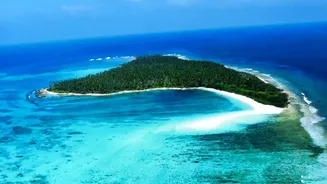
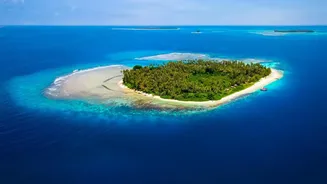
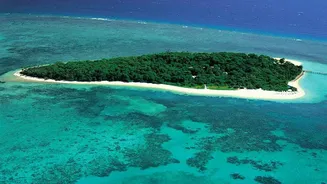
Lakshadweep's approach isn't about closing its doors but managing them carefully. For years, the administration has followed a policy of 'high-value, low-volume' tourism. This strategy aims to attract environmentally conscious travellers while preventing
the overcrowding that has damaged other tropical destinations. The core idea is to minimise pressure on the islands' limited resources, especially land and fresh water. The Society for Promotion of Nature Tourism and Sports (SPORTS), a body under the local administration, has been instrumental in promoting this eco-friendly model since the 1980s. Rather than a single new 'preservation plan', the current framework is a continuation and strengthening of this long-standing principle, enforced through mandatory entry permits and island-specific permissions.
Why This Is Happening Now
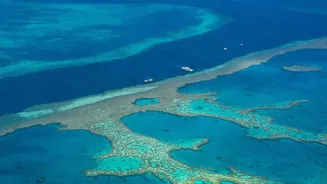
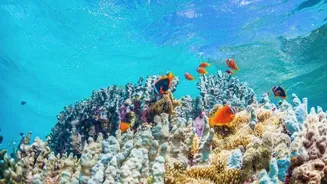
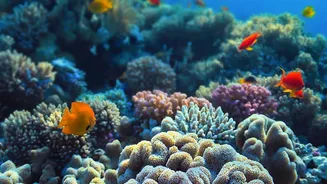
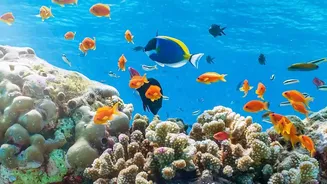
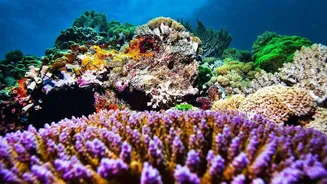
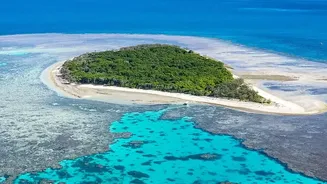
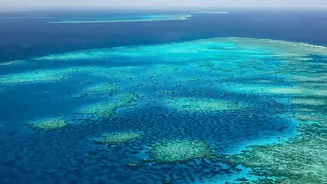
The urgency to enforce these limits comes from clear environmental warnings. Lakshadweep's coral reefs, the very foundation of the archipelago's existence, are under severe threat. Climate change has led to rising sea surface temperatures, causing multiple mass coral bleaching events in 1998, 2010, 2016, and again in 2023-24. One study noted a staggering decline in absolute coral cover, from over 51% in 1998 to just 11% by 2017. While some reefs show resilience, their recovery rate cannot keep up with the frequency of these heatwaves. Scientists have warned that without periods free from stress, the reefs face long-term decline. Unregulated tourism adds to this pressure through waste, pollution, and potential physical damage.
Understanding the Travel Limits
For travellers, the most significant rule is the mandatory entry permit, required for all non-islanders. In early 2026, the administration streamlined the application process by removing the need for a local sponsor or a police clearance certificate, which has made planning a trip easier. However, controls remain firm. Tourists must specify which islands they intend to visit on their permit application and are not allowed to 'island hop' to unapproved locations. Popular islands like Agatti, Bangaram, Kadmat, Kavaratti, and Minicoy are accessible, but the number of visitors is inherently capped by the limited flights and accommodation. Furthermore, transit through key gateways like Agatti and Kavaratti is limited to a maximum of 12 hours.
What This Means for Your Travel Plans
Planning a trip to Lakshadweep requires more than just booking a flight. Aspiring visitors must apply for their entry permit via the official ePermit portal at least 14 days in advance, though a 30-day window is recommended, especially for peak season. Your approved itinerary is strict; you can only visit the islands listed on your permit. This system ensures that visitor distribution is managed across the archipelago, preventing any single island from becoming overwhelmed. While the rules may seem restrictive, they are designed to protect the very beauty that draws visitors in the first place. This structured approach ensures the pristine beaches and crystal-clear waters remain for future generations. Foreign nationals face additional restrictions and are generally permitted only on specific islands like Agatti, Bangaram, and Kadmat.
A Blueprint for India's Fragile Ecosystems?
Lakshadweep's model is emerging as a potential blueprint for sustainable tourism management across India's other ecologically sensitive zones. By prioritising conservation over mass-market tourism, the administration is safeguarding its primary natural asset. The strategy involves a combination of regulatory controls, such as the permit system and a ban on single-use plastics, and promoting community involvement in tourism. This ensures that economic benefits are shared with local residents while preserving the cultural and environmental fabric of the islands. As interest in Lakshadweep grows, its success in balancing visitor access with robust preservation efforts will be watched closely as a leading example of responsible travel.