




Master Your Raingear System
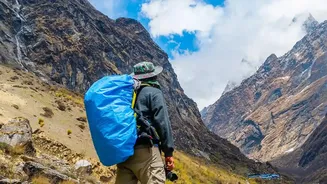
A simple rain jacket won't be enough when the heavens open up. Think in terms of a complete waterproofing system. A good quality poncho is an excellent choice as it can cover both you and your backpack, offering maximum protection from a downpour. Alternatively,
a reliable rain jacket paired with rain pants creates a solid barrier. Ensure your raingear is not just water-resistant but fully waterproof. Look for sealed zippers and durable materials to prevent any moisture from seeping through and dampening your spirits.
Choose Quick-Dry Clothing
The golden rule of monsoon trekking is to avoid cotton at all costs. Cotton absorbs moisture, takes a very long time to dry, and will leave you feeling cold and damp. Instead, opt for synthetic fabrics like polyester or natural options like merino wool for your t-shirts and trousers. These materials are moisture-wicking, meaning they pull sweat and rain away from your skin and dry quickly. Packing two sets of trek clothing is wise. Wear one while you hike and keep the other packed in a dry bag to change into at your campsite.
Prioritise Footwear and Foot Care
Your feet are your most crucial asset on a trek, and monsoon trails can be treacherous with mud and slippery rocks. Invest in a pair of waterproof trekking shoes with excellent grip and good ankle support to prevent slips and injuries. It's essential to break in new shoes before your trek to avoid painful blisters. Complement your shoes with multiple pairs of synthetic or wool socks. Carrying extra pairs ensures you can swap out wet socks for dry ones, which is vital for comfort and preventing fungal infections. Gaiters, which cover the gap between your trousers and boots, are also highly recommended to keep water and leeches out.
Waterproof Your Backpack
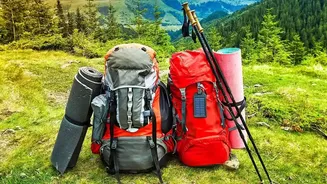
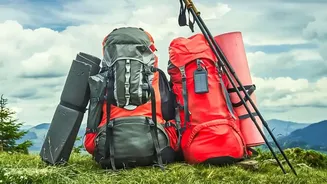
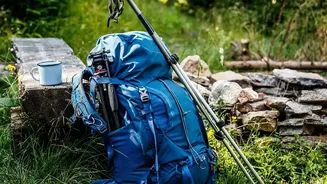
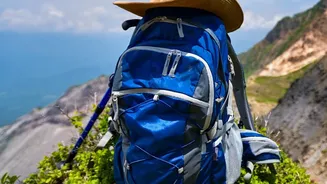
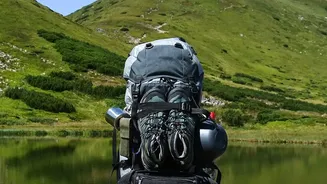
Even if your backpack claims to be water-resistant, it's not immune to persistent monsoon rains. The first line of defence is a high-quality rain cover that fits your pack snugly. For a second, foolproof layer of protection, line the inside of your rucksack with a large plastic bag or a dedicated pack liner. Further, organise your clothes, electronics, and other essentials into smaller waterproof dry bags or zip-lock bags. This compartmentalisation not only keeps your gear bone-dry but also makes it easy to find what you need without unpacking everything.
Prepare for Leeches and Insects
Leeches are a common, though mostly harmless, part of the monsoon trekking experience in many regions. The best defence is a physical barrier: wear long trousers and tuck them firmly into your socks. Leech-proof socks, which are thick and come up to the knee, are also very effective. As a repellent, many experienced trekkers in India swear by rubbing a mixture of salt and mustard oil on their boots. You can also apply a DEET-based insect repellent. To remove a leech, never pull it off. Instead, gently slide a fingernail or a card under its mouth to break the seal, or apply a pinch of salt.
Pack a Monsoon-Specific First-Aid Kit
While a basic first-aid kit is always necessary, a monsoon trek requires a few extra items. Your kit should include essentials like antiseptic wipes, bandages, blister pads, pain relievers, and any personal medications. For the monsoon, add an antifungal powder like Candid to prevent skin issues caused by dampness. Also include medication for diarrhoea, an antihistamine for allergic reactions, and water purification tablets or a portable filter. Since slips are more common, having a crepe bandage for sprains is also a good idea.
Don't Forget Navigation and Energy
Misty trails and dense forests can sometimes reduce visibility. A headlamp or torch with extra batteries is non-negotiable, especially for early morning starts or late finishes. To keep your phone and other electronics charged, carry a fully-charged power bank stored in a waterproof bag. Finally, trekking in the rain burns a lot of energy. Pack high-energy snacks like nuts, energy bars, and dried fruits for a quick fuel boost between meals.