


Embrace the Power of Consolidation
The first step towards organising ingredient overlap is to shift your mindset from 'what if I need this?' to 'what do I truly use every week?'. Many home cooks fall into the trap of buying specialty ingredients for a single recipe, only for them to languish
in the pantry. A well-stocked kitchen is not about having everything, but about having the right, versatile things. Meal planning becomes significantly easier and food waste is reduced when you build your cooking around a core set of staples. Before your next grocery run, take an audit of your pantry. Notice how many types of rice, flour, or cooking oils you have. The goal is to identify this overlap and begin consolidating.
Choose Your Foundational Fats
Indian cooking involves a variety of fats, from ghee and mustard oil to a range of vegetable oils. While each offers a unique flavour, you likely don't need all of them for daily cooking. Decide on one or two primary workhorses. For instance, a neutral vegetable or groundnut oil can handle most high-heat applications like frying and tadkas. Ghee can be your go-to for flavour, finishing dals, and spreading on rotis. By designating roles for your fats, you can buy larger, more economical quantities of your chosen staples and free up valuable shelf space. Reserve specialty oils, like cold-pressed mustard oil, for specific dishes where its flavour is non-negotiable, rather than as an everyday option.
Standardise the Holy Trinity
Onions, ginger, and garlic are the backbone of countless Indian dishes. They are also a prime area for simplification. Instead of buying red, white, and yellow onions, decide which one works best for the majority of your gravies, sabzis, and biryanis; for most, the common red onion is perfectly sufficient. When it comes to ginger and garlic, you have a choice: fresh roots, or a quality store-bought or homemade paste. While fresh is often best, a ready-made paste can be a game-changer for quick weeknight meals, ensuring you always have the base flavours on hand without the peeling and chopping. The key is to choose one method as your default to streamline prep.
The Great Grain and Flour Audit
A typical Indian kitchen might house whole wheat atta, basmati rice, sona masoori, maida, and perhaps besan or rava. While variety is great, assess your actual usage. Do you make rotis daily? Then atta is a non-negotiable staple. For rice, perhaps you can consolidate to one primary variety, like basmati, which is versatile enough for daily meals, pulaos, and biryanis. For other flours like maida or besan, consider buying smaller packets based on planned usage rather than keeping large bags that are prone to spoilage and pests. This prevents a jumble of half-empty packets and ensures your ingredients are always fresh.
Curate Your Masala Dabba
The Indian spice box, or masala dabba, is a model of efficiency. However, it can be supplemented by dozens of other individual spice jars, leading to clutter. Organise your spices into two tiers: daily essentials and occasional players. Your masala dabba should hold the spices you reach for in almost every meal: turmeric, red chilli powder, cumin seeds, coriander powder, and mustard seeds. A second-tier collection can house spices used for specific dishes, like whole spices for biryani (cardamom, cloves, cinnamon) or powders for chole masala. This tiered approach ensures your most-used spices are always within reach and prevents you from rummaging through a chaotic collection to find the turmeric.
A Streamlined Lentil Library
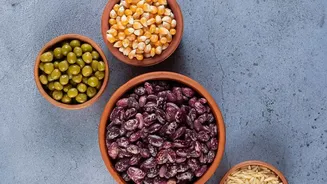
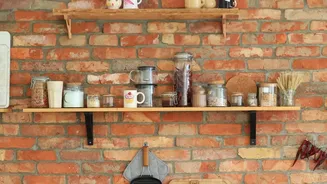
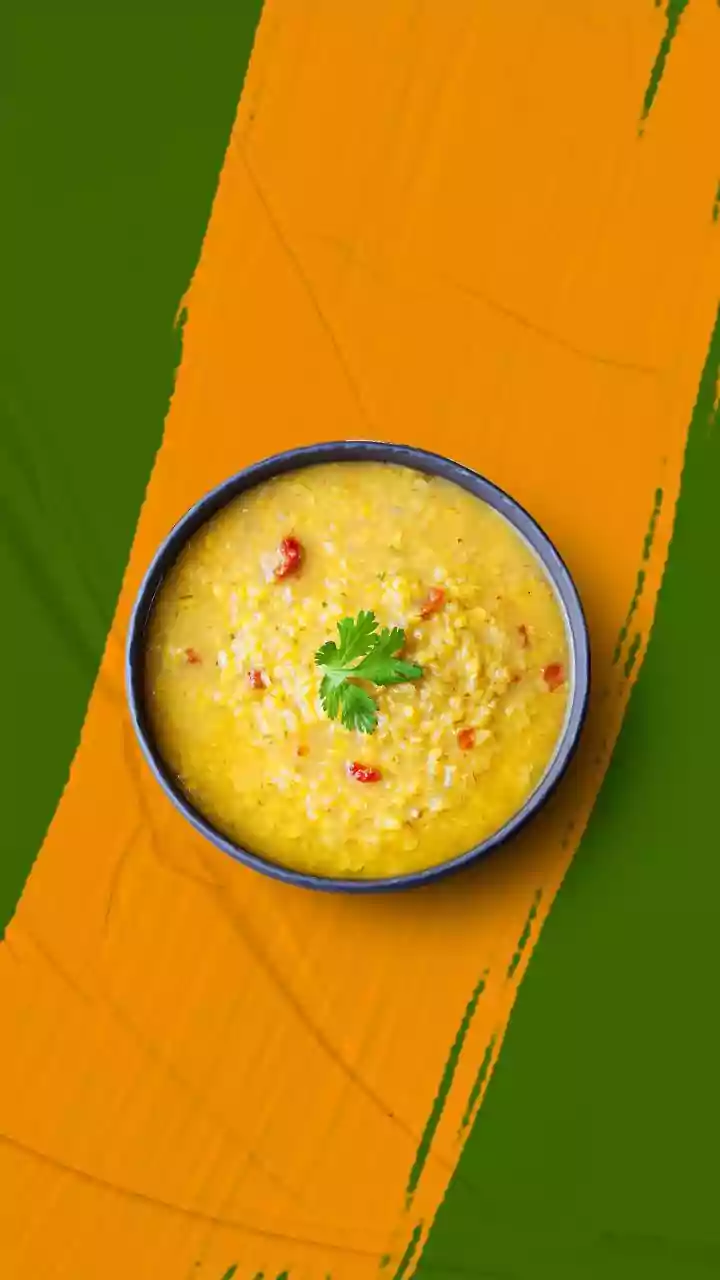
India’s variety of dals is vast, and it’s easy to accumulate packets of toor, moong, masoor, chana, and urad dal. While each has a unique taste and texture, most households have two or three favourites they cook regularly. Identify your family’s top-three dals. Perhaps it's yellow moong for its quick-cooking properties, toor for a classic dal fry, and chana or masoor for variety. Stock larger quantities of these and buy others in smaller amounts only when a specific recipe calls for them. Grouping your pulses and lentils in clear, airtight containers not only keeps them fresh but also gives you a quick visual inventory, preventing you from buying another bag of toor dal when you already have one.