




As temperatures drop, the search for foods that provide warmth begins. But instead of chasing exotic 'superfoods' with grand claims, the real secret to winter wellness lies in our own backyards, with fresh, seasonal Indian produce.
Why Seasonal Eating Wins
Before diving into specific
foods, it’s important to understand why eating seasonally is the most effective strategy. Produce harvested at its natural peak is fresher, more flavourful, and packed with a higher concentration of nutrients. Fruits and vegetables that ripen naturally contain more vitamins and antioxidants, such as Vitamin C and folate, which are crucial for a strong immune system during winter. Nature provides what our bodies need for each season; winter produce is often denser and more suited to providing sustained energy. Opting for seasonal ingredients also means they are more abundant, affordable, and haven't lost nutrients during long-distance transportation.
The Power of Leafy Greens
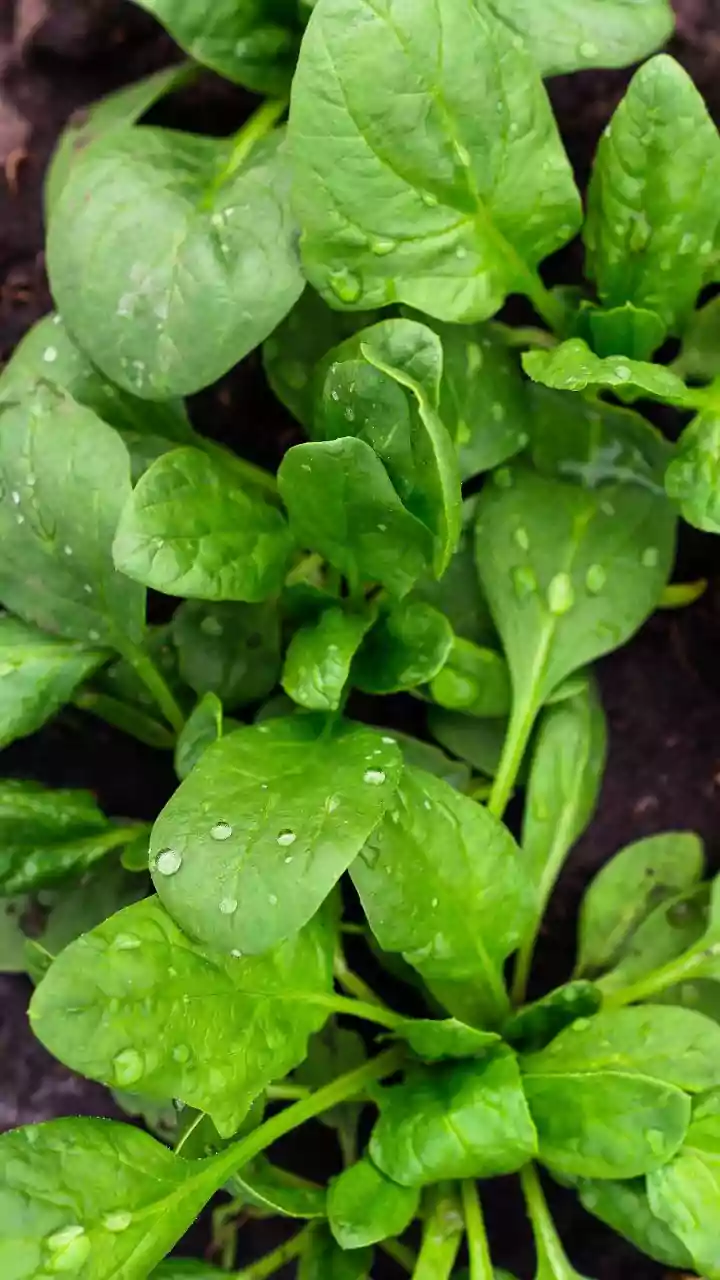
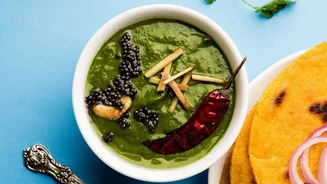
Winter is the prime season for a variety of leafy greens in India. The most iconic of these is sarson (mustard greens), the star of the Punjabi classic, Sarson ka Saag. Mustard greens are a nutritional powerhouse, rich in vitamins A, C, and K, which support immunity, bone health, and vision. They are also a good source of dietary fibre, which aids digestion and promotes gut health—a common concern during the less active winter months. Other popular winter greens include methi (fenugreek leaves), palak (spinach), and bathua, all of which are loaded with iron, antioxidants, and essential minerals that help combat winter lethargy.
Embrace Hearty Root Vegetables
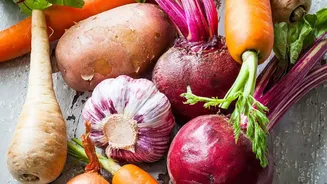
The cold earth of winter yields some of the most comforting and nourishing vegetables. Carrots, especially the vibrant red 'Delhi carrots', are abundant and at their sweetest. They are packed with beta-carotene, which the body converts to Vitamin A, essential for robust immunity, healthy skin, and good vision. Radishes (mooli), another winter staple, are high in Vitamin C and support digestion and liver detoxification. Sweet potatoes (shakarkandi) and beetroot (chukandar) are also excellent choices. They provide slow-releasing energy, fibre, and a host of antioxidants that help reduce inflammation and improve blood flow.
Immunity-Boosting Winter Fruits
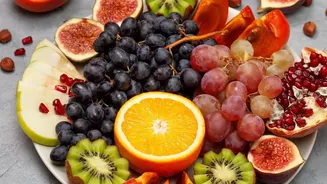
Winter brings a wonderful selection of fruits that are perfect for staving off seasonal sniffles. The undisputed king is Amla (Indian Gooseberry), which has one of the highest concentrations of Vitamin C found in any fruit. This potent antioxidant strengthens the immune system, fights infections like colds and flu, and is beneficial for skin and hair health, which often suffer in the dry winter air. Citrus fruits like oranges and kinnow are also at their peak, offering a juicy dose of Vitamin C. Guavas, another winter favourite, are rich in both fibre and immunity-boosting vitamins.
Traditional Grains and Millets
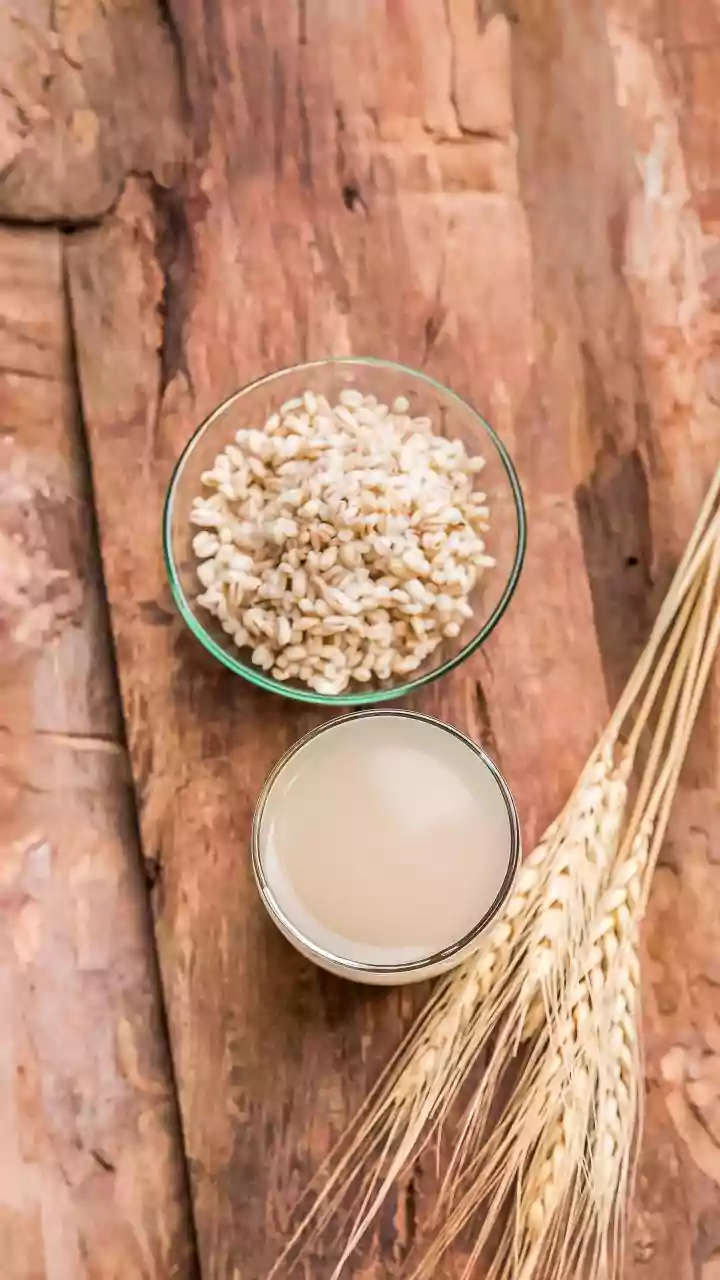
Indian winters have traditionally been a time to switch from wheat to heartier grains and millets. Flours like makki (maize), bajra (pearl millet), and jowar (sorghum) are denser and provide sustained energy, making them ideal for colder weather. These grains are typically used to make rustic flatbreads like Makki di Roti or Bajra Bhakri, which are not only filling but also rich in fibre and essential minerals. Their warming nature is a cornerstone of traditional dietary wisdom, providing a sense of satisfaction that is both cultural and nutritionally sound.