



From Playful Pouts to Personalization
Remember the first wave of augmented reality (AR) on social media? With a simple tap, you could give yourself impossibly smooth skin, cat-eye liner, or a bold lip colour. These filters were fun, engaging, and gave millions their first taste of virtual
enhancement. While they were revolutionary for their time, their function was primarily entertainment. Now, the technology is growing up. The latest virtual beauty tools are less about playful distortion and more about providing genuine utility, moving from the world of social media feeds to the core of e-commerce and personal care.
The Technology Behind the Transformation
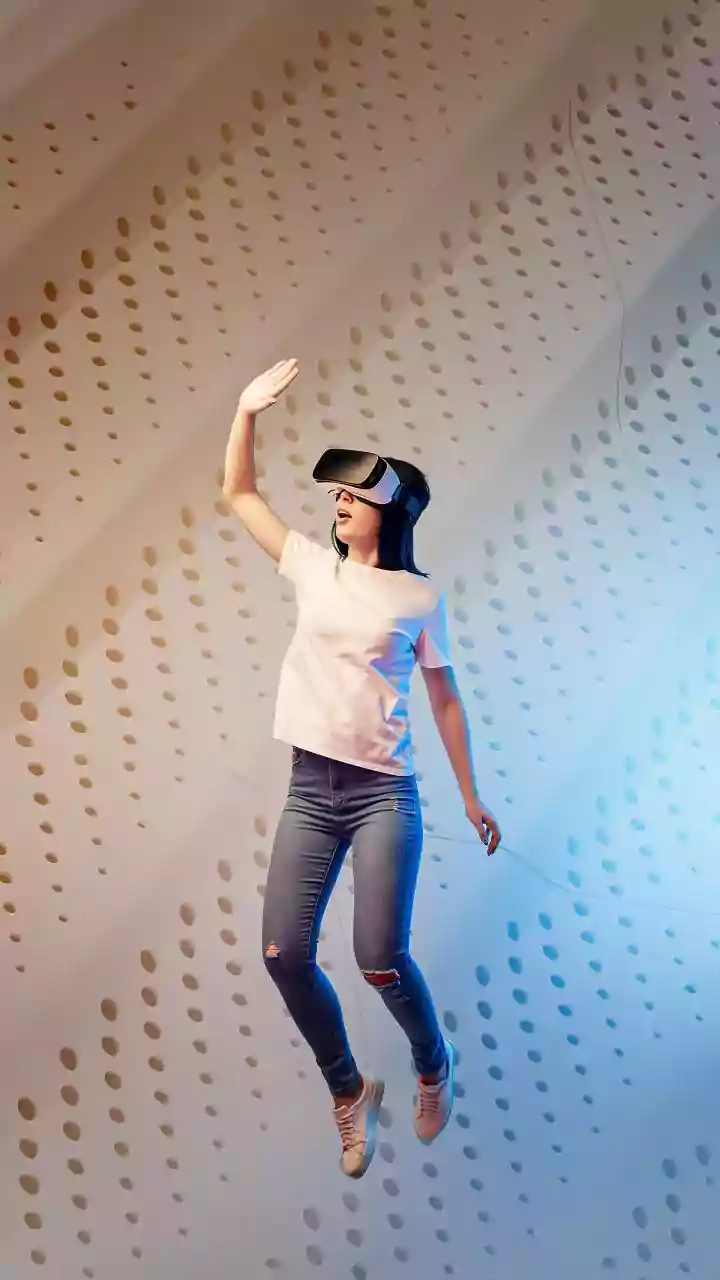
The engine driving this change is a powerful combination of artificial intelligence (AI) and more advanced augmented reality. Today’s AR can render textures and shades with startling realism, making virtual makeup almost indistinguishable from the real thing. But the real game-changer is AI. By analyzing your face through your phone’s camera, AI algorithms can now perform sophisticated skin diagnostics, detecting everything from pore size and wrinkles to hydration levels and hyperpigmentation. This data-driven approach allows brands to offer hyper-personalized recommendations, turning a generic shopping experience into a bespoke consultation.
More Than Just a Digital Lipstick
Leading companies like Perfect Corp, which powers virtual try-on experiences for brands like MAC and Estée Lauder, are at the forefront of this evolution. Their technology allows for far more than just trying on a new lipstick. Benefit Cosmetics uses it to help customers find the perfect eyebrow shape, a notoriously difficult task to get right. Clinique has integrated it with their 'Shade Match Science' to help users find their ideal foundation shade, a feature that has reportedly boosted conversion rates by 2.5 times. These tools can simulate how different hair colours will look or analyze your skin to create a custom routine. It’s a shift from 'How would I look with this?' to 'What do I actually need?'.
Why Brands Are Investing Heavily
For beauty brands, this technology solves a fundamental problem of online shopping: the inability to try before you buy. Providing a realistic virtual try-on builds consumer confidence, which leads to higher conversion rates and, crucially, fewer product returns. Companies like L'Oréal and Sephora have integrated these tools directly into their websites and apps, and even into social media shopping platforms like Instagram. Beyond immediate sales, these tools are a goldmine of data. They offer unprecedented insight into consumer preferences, popular shades, and skin concerns, allowing brands to refine their product development and marketing strategies. Analysis suggests generative AI could add billions in value to the beauty sector by improving these digital interactions.
The Future Is Personal and Diagnostic
The next frontier is already emerging: AI-driven diagnostics that blur the line between beauty consultant and wellness advisor. Imagine an app that not only recommends a concealer but also tracks your skin’s health over time, adjusting recommendations based on changes it detects. However, this evolution is not without its challenges. As users upload detailed scans of their faces, questions around data privacy and security will become increasingly important. There is also a delicate balance to be struck between offering helpful guidance and promoting unrealistic beauty standards. The most successful platforms will be those that empower users with information without dictating a narrow definition of beauty.