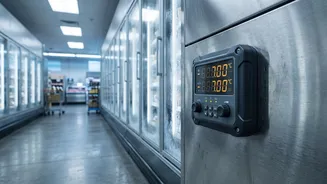








The grocery run is a routine part of life, but what happens when the digital world attacks the physical one? Recent cyberattacks on European supermarkets have moved beyond data theft, targeting critical infrastructure like freezers and causing chaos.
A Chilling New Target
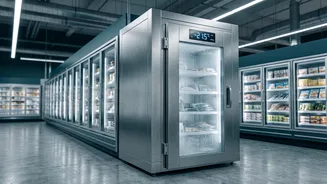
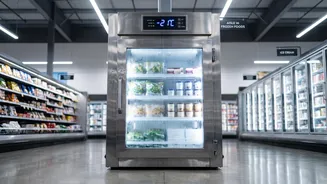
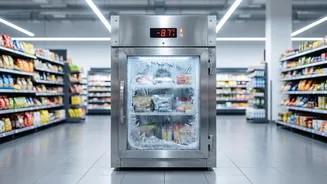
When we think of cyberattacks, we usually picture stolen data. But a tangible new threat has emerged, targeting the systems that keep our food fresh. Across at least nine European countries, including Belgium, Sweden, and France, retailers have been thrown into crisis by attacks that shut down their operational technology. Specifically, hackers targeted internet-connected systems managing refrigeration, remotely raising freezer temperatures to as high as 50°C. The result is alarming: closed stores and tonnes of spoiled goods, leading to huge financial losses and food waste. These incidents show how a hacker's keyboard can directly impact the physical supply chain.
How Do You Hack a Freezer?
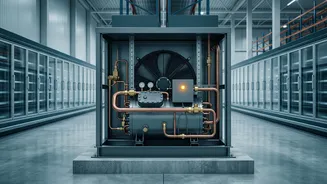
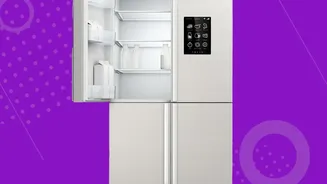
Hacking a freezer is disturbingly plausible due to the 'Internet of Things' (IoT). Modern supermarkets use networks of connected devices, including 'smart' thermostats and cooling units linked to central management systems. This efficiency creates a single point of failure. If a cybercriminal breaches the central network—often because the device is directly exposed to the internet or has outdated software—they can gain control. Attackers have exploited these weaknesses to remotely activate a freezer's defrost mode, overriding normal settings and triggering a catastrophic meltdown of frozen stock.
The Motive Behind the Mayhem
While no group has claimed responsibility for these specific freezer attacks, the goal appears to be disruption, causing direct physical and financial damage. The EU's food and agriculture commissioner called the incidents a 'deliberate attempt to disrupt our food supply chain'. This differs from typical ransomware attacks, like the one that shut down 700 Coop stores in Sweden in 2021 by crippling their payment systems. In these recent events, the damage is physical and irreversible; spoiled food cannot be recovered by paying a ransom. The pressure on retailers is immense, as every hour the systems are compromised, the financial losses from spoiled stock mount.
The Ripple Effect on Supply Chains
The damage from a freezer-focused cyberattack extends beyond one supermarket's inventory, creating a domino effect across the food supply chain. Suppliers may have to discard shipments that cannot be delivered to warehouses without functioning cold storage. This disruption can lead to shortterm product shortages and price volatility for consumers. Furthermore, it erodes public trust. Shoppers rely on retailers to provide safe food, and an incident involving spoilage can damage a brand's reputation for years. It highlights the fragility of our logistics systems, where a single digital disruption can trigger widespread physical consequences.
A Wake_Up Call for Indian Retail
While these attacks occurred in Europe, they offer a critical warning for India’s growing retail sector. As Indian supermarkets and logistics firms embrace digital transformation and IoT technology, their exposure to similar threats increases. From managing vast cold storage facilities to running complex inventory software, the Indian food supply chain is becoming more connected daily. The European incidents demonstrate the urgent need for a 'security_by_design' approach. Experts warn that many businesses rely on aging operational technology that no longer receives regular security updates, creating a major vulnerability. Protecting these systems is not just an IT issue; it’s a matter of business continuity, food security, and public safety. For India, the time to prepare is now.