


1. Bhutta (Roasted Corn on the Cob)
The smoky aroma of bhutta being roasted over hot coals is synonymous with Indian monsoons. This classic street food is more than just a nostalgic treat; it's a smart seasonal choice. Corn is rich in dietary fibre, which aids digestion—a key concern during
the monsoon when our digestive system can be sluggish. It also provides complex carbohydrates for sustained energy, helping to combat the fatigue that often accompanies damp weather. Unlike many fried snacks, a simple bhutta rubbed with lemon, salt, and chilli is a light, nutritious, and satisfying option.
2. Pakoras and Masala Chai
This pairing is the undisputed king of monsoon indulgence. While deep-fried pakoras are best enjoyed in moderation, their warmth and crispness offer immense comfort on a rainy day. The real hero, however, might be the masala chai served alongside. Rooted in Ayurvedic tradition, spiced tea is a wellness powerhouse. Spices like ginger, cloves, cardamom, and black pepper have warming and immune-boosting properties. Ginger aids digestion and can help soothe a sore throat, while other spices contribute antimicrobial and anti-inflammatory benefits, making chai the perfect brew to ward off seasonal infections.
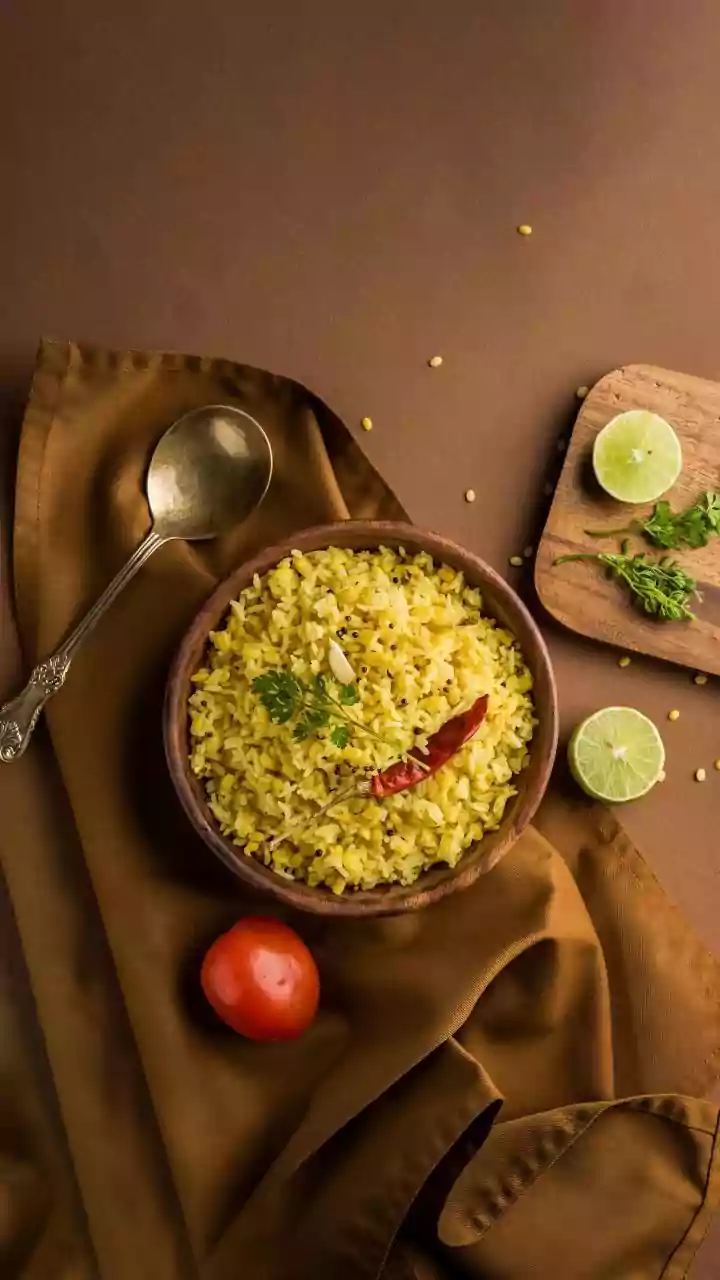
3. Moong Dal Khichdi
Khichdi is India's ultimate comfort food, and it truly shines during the monsoon. According to Ayurveda, the digestive fire, or 'agni', is weaker during the rainy season. Moong dal is considered one of the lightest and easiest-to-digest lentils, making it an ideal choice. A simple, warm bowl of khichdi made with rice and moong dal is gentle on the stomach, provides balanced nutrition, and offers a sense of soothing warmth. It is a complete meal that nourishes the body without overloading the digestive system, making it a go-to dish when feeling under the weather.
4. Jamun (Indian Blackberry)
Nature provides us with exactly what we need, and the arrival of jamun during the monsoon is a perfect example. This deep-purple fruit is packed with Vitamin C and antioxidants, which are crucial for supporting a strong immune system during a season rife with infections. It is also a good source of fibre and has a high water content, which helps with digestion and hydration. Traditionally, jamun is also valued for its properties that help manage blood sugar levels. Its short season makes it a prized monsoon delicacy.
5. Hot Vegetable Soups
A bowl of hot soup is like an internal hug on a cool, rainy day. Soups are hydrating, warming, and an excellent way to pack in nutrients from various vegetables without taxing your digestive system. Traditional wisdom suggests that warm, cooked foods are better than raw salads during this season. A simple tomato, mixed vegetable, or lentil soup, spiced with digestion-friendly ingredients like ginger, garlic, and black pepper, can help clear congestion and provide essential vitamins to keep you healthy and energised.
6. Turmeric-Infused Dishes and Milk
Turmeric, or haldi, is a cornerstone of Indian cooking and traditional medicine, and its importance is amplified during the monsoon. Known for its powerful anti-inflammatory and antiseptic properties, turmeric helps bolster the body's defences. Adding a little extra to your dals and sabzis is a simple way to reap its benefits. A glass of warm 'haldi doodh' (turmeric milk) before bed is a timeless remedy for soothing a sore throat, fighting off infections, and promoting restful sleep on a damp, chilly night.
7. Garlic and Ginger in Cooking
While not standalone dishes, garlic and ginger are indispensable flavouring agents that play a vital role in a monsoon diet. Both are celebrated in Ayurveda for their potent medicinal properties. Ginger is a powerful digestive aid that helps fire up a sluggish metabolism and is also effective against nausea and cold symptoms. Garlic is known for its strong antibacterial and antiviral capabilities, making it a great addition to your meals to help protect against common monsoon illnesses. Using them generously in your cooking is an easy way to stay warm and healthy.