



The Unsung Hero of Summer
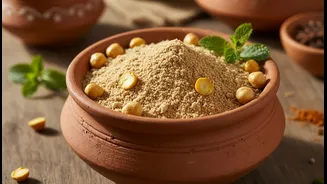
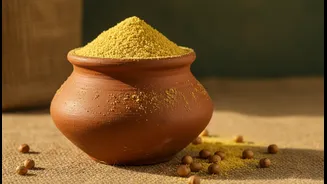
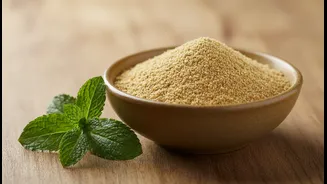
Long before trendy wellness beverages filled our feeds, generations of Indians relied on a simple, potent flour to combat the summer heat: sattu. Made from dry-roasted Bengal gram (kala chana), this powder is a staple in states like Bihar, Uttar Pradesh,
and Punjab. Often called the 'poor man's protein', its use is deeply woven into the fabric of daily life, known for its ability to provide sustained energy and cooling relief during scorching days. Unlike besan, which is made from raw gram, sattu's roasting process gives it a distinct nutty flavour, a longer shelf life, and makes its nutrients more digestible. It has been a trusted companion for everyone from farmers needing a midday meal to families seeking a refreshing drink.
A Nutritional Powerhouse in a Glass
The marketing for modern hydration drinks often highlights added vitamins and minerals, but sattu is naturally loaded with them. It is an incredible source of plant-based protein, with some estimates suggesting around 20 grams per 100 grams of flour. But its benefits don’t stop there. Sattu is packed with dietary fibre, which is crucial for good digestion and preventing issues like bloating and constipation. It also boasts a rich profile of essential minerals like iron, magnesium, and potassium, which help in everything from maintaining bone health to regulating blood pressure. This combination of protein, fibre, and micronutrients provides a slow, steady release of energy, keeping you active without the sugar crash associated with many commercial drinks.
Nature’s Own Cooling System
One of sattu's most celebrated qualities is its natural cooling effect on the body. In Ayurveda, it is considered a food that helps soothe the system and provides relief from intense heat. This makes it an ideal beverage for preventing dehydration and the effects of heatstroke. The science backs this up: sattu has a low glycemic index, which means it doesn't cause sharp spikes in blood sugar. This stability helps in maintaining energy levels and preventing the lethargy that often comes with high temperatures. A simple glass of sattu sharbat works to hydrate the body from within, replenishing fluids and electrolytes lost through sweat more effectively and naturally than many artificially flavoured alternatives.
The Rupee-for-Rupee Champion
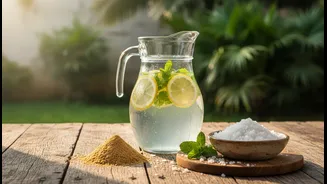
This is where sattu truly outshines the competition. Consider the cost of a single serving of a popular electrolyte powder, a bottled vitamin water, or a packaged sports drink. Now compare that to the price of making a glass of sattu at home. A kilogram of sattu flour is incredibly affordable and yields dozens of servings. All you need is a few spoonfuls of the flour, water, and simple flavourings like lemon juice, black salt, and roasted cumin powder. There are no hidden costs, no fancy packaging, and no premium price for marketing hype. For budget-conscious individuals and families, sattu offers unbeatable nutritional value for every rupee spent, making it one of the most economical ways to stay healthy and hydrated.
Your Glass of Goodness: Simple Sattu Recipes
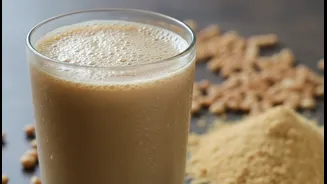
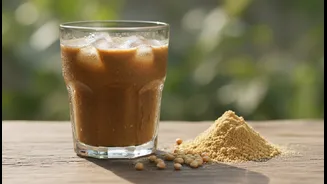
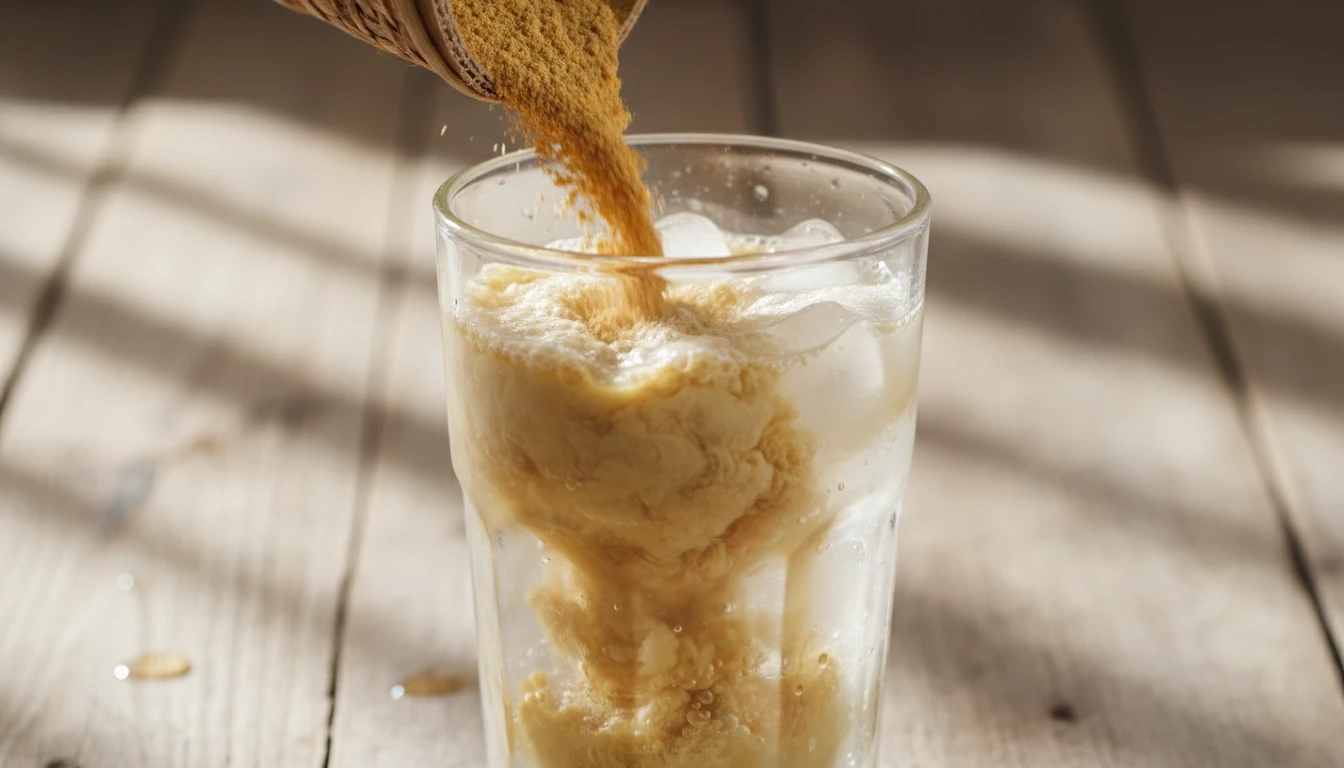
Making sattu is incredibly easy and versatile. For a classic savoury drink (Namkeen Sattu Sharbat), take a few tablespoons of sattu flour in a glass. Add chilled water, a squeeze of fresh lemon juice, a pinch of black salt, and a dash of roasted cumin powder. Mix well until smooth. For extra flavour, you can add finely chopped mint leaves or onions. If you prefer a sweet version (Meetha Sattu Sharbat), mix the sattu flour with cold water and jaggery powder or sugar until it dissolves. Some people even blend it with milk, bananas, and dates for a high-protein smoothie. Either way, you have a delicious, nourishing drink ready in minutes.