





Start Small, Dream Big
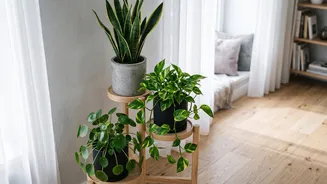
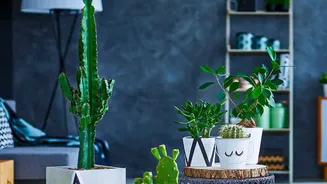
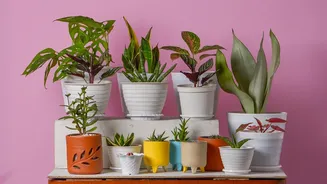
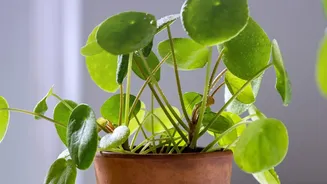
The most common mistake beginners make is trying to do too much at once. The key to a successful start is to begin with a small, manageable space. Choose three to five easy-to-grow plants in containers. This approach allows you to learn the basics of
plant care—like watering rhythms and sunlight patterns—without feeling overwhelmed. A few healthy pots on a balcony or windowsill can build your confidence. You can always expand your collection as you gain experience and understand what your plants need to flourish.
Choose the Right Location
Before you even buy a seed, observe your space. Most plants, especially vegetables and flowering varieties, need at least five to six hours of sunlight each day to thrive. Find a spot on your balcony, terrace, or near a window that gets adequate light. Keep in mind that a south-facing balcony will get strong sun, while a west-facing one gets intense afternoon heat, which might be too much for some delicate plants. Also, choose a location that is protected from strong winds, which can damage young plants, and is close to a water source to make your routine easier.
Get Your Hands Dirty with Good Soil
Healthy plants start with healthy soil. Simply using soil from your backyard might not be the best idea, as it can be too compact, lack nutrients, or contain pests. For beginners, using a high-quality potting mix is the easiest route. This is a soil-less medium designed for containers that provides good drainage and aeration. A good mix for beginners often contains coco peat, compost or vermicompost, and perlite. This combination holds moisture without becoming waterlogged, giving your plant’s roots the perfect environment to grow strong. You can also prepare your own soil by adding organic matter like compost to garden soil to improve its texture and nutrient content.
Pick Beginner-Friendly Plants
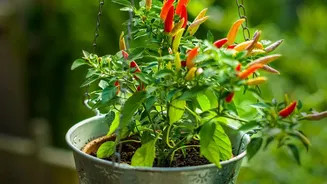
Set yourself up for success by choosing plants that are known to be hardy and forgiving. For a kitchen garden, fast-growing vegetables and herbs are a great choice. Plants like spinach (palak), tomatoes, chillies, mint (pudina), and coriander (dhaniya) are excellent for beginners in India as they are relatively low-maintenance and grow well in pots. If you're more interested in decorative plants, consider hibiscus, marigold, or the ever-popular money plant (pothos). These varieties are well-suited to Indian climates and will reward your early efforts with lush growth.
Master the Art of Watering
Overwatering is one of the most common ways beginners kill their plants. Different plants have different needs, so there's no single rule that fits all. The best way to know if your plant needs water is to check the soil. Stick your finger about an inch or two into the pot; if the soil feels dry, it's time to water. When you do water, do it thoroughly until you see water run out of the drainage holes at the bottom of the pot. This encourages deep root growth. Avoid light, frequent watering, which only moistens the top layer of soil and leads to weak, shallow roots. It's better to water deeply and less often than to give a little sprinkle every day.