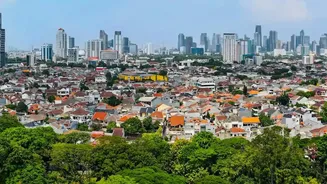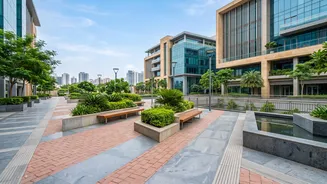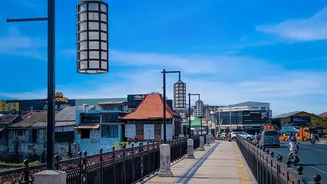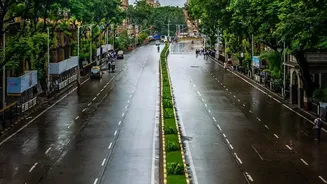








For decades, the sound of Indian city streets was the roar of traffic. But a quiet revolution is underway. A growing number of cities are reimagining their roads, putting people first in a radical shift away from car-centric design.
A Fundamental Shift in Thinking
Across India, urban
planners and policymakers are waking up to a stark reality: building cities for cars has led to gridlock, hazardous air quality, and dangerous streets. Pedestrians have often been an afterthought, navigating broken or non-existent footpaths while vehicles dominate public space. This is now changing, driven by a new understanding that walkable cities are not just a luxury but a necessity for public health, economic vibrancy, and environmental sustainability. The core idea is simple yet transformative: streets should be for everyone. This people-first approach is backed by a landmark June 2026 Supreme Court ruling that recognised walking on safe, well-demarcated footpaths as a fundamental right.
Pune’s Policy-Driven Approach
Pune has been a trailblazer in this movement, adopting a comprehensive 'Pedestrian First' policy and dedicating a significant portion of its transport budget to non-motorised transport. The city's administration is working on large-scale improvements to footpaths, crossings, and street infrastructure, aiming to make walking a safe and convenient choice. The strategy involves engaging urban designers to redesign key streets, implementing traffic calming measures near schools, and even piloting emission-free zones in busy commercial hubs. This policy-led approach ensures that pedestrian safety isn't just about isolated projects, but a guiding principle for all future urban development in the city.
Chennai’s Mega Streets Blueprint
In Chennai, the ambition is tangible through its 'Mega Streets Project'. This initiative aims to redevelop 150 km of roads across several neighbourhoods, transforming them with wide, continuous footpaths, dedicated cycle tracks, and improved public spaces. The first pedestrian priority street was inaugurated in February 2026, marking a significant milestone. The project's vision is to create a more liveable and resilient city, with no need for road cutting for utilities for decades. For example, work on a pedestrian plaza on Monegar Choultry Road, part of this initiative, includes features like decorative lighting, children's play areas, and cobblestone walls to enhance the pedestrian experience.
Reclaiming Heritage in Delhi
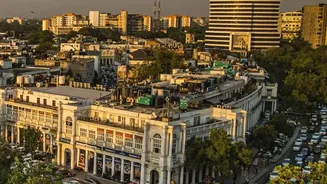
The redevelopment of Chandni Chowk in Delhi offers a different model, where pedestrianisation is used to revive a historic and culturally significant area. The project transformed a 1.3-kilometre stretch into a pedestrian-friendly zone, with a no-traffic rule for most of the day, benches, and improved aesthetics using red sandstone and granite. The goal was to decongest the notoriously crowded market, preserve its heritage, and improve the experience for both tourists and locals. By prioritising walkers, the project aimed to restore the grandeur of the Mughal-era marketplace, blending historical conservation with modern urban needs.
The Roadblocks to Walkability
This transition is not without its hurdles. Projects often face significant delays, as seen with Chennai's pedestrian plaza, which overshot its deadline and caused disruption to local businesses. In Delhi, the Chandni Chowk project has faced criticism for displacing informal street vendors, creating parking issues, and a lack of sustained maintenance, with some renovated areas falling into disrepair. Resistance from vehicle owners and businesses accustomed to on-street parking is a common challenge. Furthermore, ensuring these new pedestrian spaces are inclusive and cater to the needs of all, including children, the elderly, and people with disabilities, requires meticulous planning and strong governance, which remains a complex task.