




An Engine for Eco-Tourism
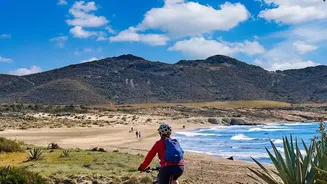
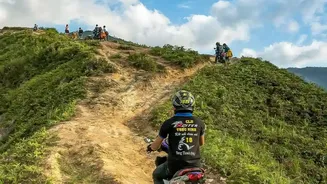
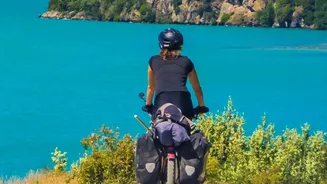
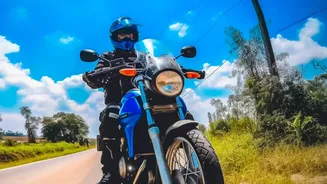
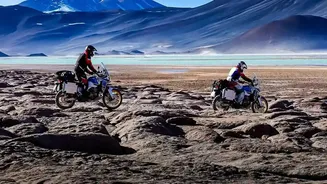
The Parvathipuram Manyam district administration has unveiled an ambitious plan to establish 'bike tourism' routes, aiming to attract motorcycle enthusiasts and eco-tourists to its scenic hills and forests. The core of the initiative involves identifying
and developing 30-kilometre stretches of road that offer safe and picturesque journeys for riders. District Collector Prabhakar Reddy has directed officials to map out these circuits, ensuring they connect key attractions like waterfalls, viewpoints, and offer facilities for overnight stays. This project formalises what many riders have known for years: Manyam's ghat roads are a paradise for two-wheeled exploration. The plan is not just about tourism; it is a strategic move to generate revenue and, most importantly, create sustainable employment for local tribal youth.
Mapping the Tribal Trails
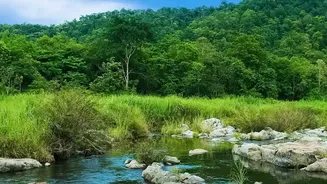
The proposed tourism circuits will span across the district's four Assembly constituencies: Parvathipuram, Kurupam, Salur, and Palakonda. The goal is to create comprehensive routes that offer a complete experience. Officials are tasked with identifying trails that feature not only stunning landscapes but also rest shelters, trekking paths, and secure camping spots. Key waterfalls like Dalaivalasa, Kurukutti, Tonam, and Pachipenta are slated for development as part of this project. This builds on the district's reputation as a 'Home of Waterfalls', a brand that has already seen a surge in visitors. The initiative also complements existing adventure activities such as rock climbing, creating a well-rounded offering for visitors seeking more than just a scenic drive.
Empowering Local Communities
At its heart, the bike tourism plan is a community-centric model. The administration aims to directly involve tribal communities in the tourism ecosystem, ensuring they are the primary beneficiaries of the increased footfall. This initiative follows the success of the state's first tribal bike taxi service, launched last year, where local Adivasi youth ferry tourists to 16 remote waterfalls like Moganali Waterfalls. The new plan will expand these opportunities, training tribal youth as guides and supporting them in setting up local services. This model aligns with the 'Adi Karma Yogi' initiative, which has seen local Adivasis take the lead in developing tourism infrastructure using their own ingenuity, often at minimal cost, and has even received national recognition. The goal is to create a sustainable cycle where tourism preserves and promotes the region's rich cultural heritage, rather than disrupting it.
A Broader Vision for Regional Tourism
The bike tourism plan is part of a wider push to develop the tourism potential of Andhra Pradesh's agency areas. In the neighbouring Alluri Sitharama Raju (ASR) district, similar efforts are underway to promote trekking, caravan tourism, and home-stays. The administration there is developing an extensive 122-km trekking network to link popular destinations like Araku, Paderu, and Lambasingi. These initiatives are designed to be eco-friendly and community-based, with plans for community kitchens, handicraft markets, and cultural exhibition spaces along the routes. From the famous coffee plantations of Araku to the lesser-known authenticity of Paderu, the entire region is being positioned as a premier destination for travellers seeking culture, nature, and adventure. The overarching strategy is clear: transform the Eastern Ghats into a sustainable tourism hub that respects both the environment and its indigenous communities.