






The future of Indian retail is no longer exclusive to Mumbai or Delhi. A quiet but powerful revolution is underway in smaller cities, where young consumers are demanding the same premium brands as their metro counterparts.
The Great Aspiration Shift
For decades, the story of premium
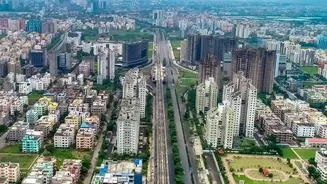
retail in India was a tale of eight major cities. Today, that narrative is rapidly changing. A significant cultural and economic shift is seeing youth in Tier-2 and Tier-3 cities—places like Lucknow, Jaipur, Indore, and Coimbatore—emerge as the new engine of growth for the retail market. This isn't just about a few more sales; it's a fundamental change in consumer geography. Online retail giants report that for the first time, a majority of their orders are originating from non-metro areas. For instance, on Amazon, the share of spending on premium brands has doubled in the last year alone, with one in every five rupees now going towards a high-end product. This surge is powered by a generation that, despite living miles from the nearest flagship store, has the same global awareness and aspirations as anyone in a metro.
Digital Dreams and Real-World Carts
The single biggest catalyst for this change is the internet. Unprecedented digital penetration, fueled by affordable smartphones and widespread data access, has flattened the world for young Indians. Social media platforms like Instagram and YouTube have become universal windows to global trends, influencer lifestyles, and brand storytelling. A teenager in a small town now sees the same product launches and celebrity endorsements as someone in a major city, creating a unified 'aspirational India'. This digital exposure directly translates to commerce. For many in smaller cities, where physical stores for premium brands are scarce, online shopping is the primary gateway to fulfilling these aspirations. E-commerce platforms have seen this demand and are leaning in, with data showing that over 60% of online shoppers now come from these smaller cities.
Brands Follow the Money
Corporations are taking notice and following the demand. For brands, the logic is simple: metro markets are becoming saturated and fiercely competitive. In contrast, Tier-2 and Tier-3 cities represent underserved markets with rising disposable incomes and a strong appetite for organized retail. This potential is sparking a wave of physical expansion. An estimated 25 million square feet of new retail developments are expected in these cities over the next five years. This isn't just about fast fashion; luxury and high-end brands are also making strategic entries, recognizing that their next wave of growth will come from these emerging urban centres. They've already seen the proof online, where these cities often account for a significant share of e-commerce orders, making physical expansion a logical next step to meet proven demand.
More Than Just a Logo
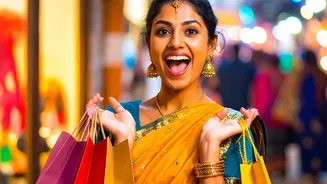
The demand for premium brands among the youth in smaller cities is about more than just owning expensive things; it is about identity. For this generation, a brand is a form of self-expression and a way to connect with a broader, global culture they see online. Owning a particular sneaker, a specific skincare product, or the latest gadget is a way of signalling that they are part of a modern, forwardward looking India. This is especially true in the beauty and personal care segment. Young consumers, with half of Gen Z beauty buyers on platforms like Myntra living in nonmetro cities, are increasingly informed and selective. They are researching ingredients, following complex skincare routines, and are willing to experiment with both international and directtoconsumer (D2C) brands that align with their values.
A New Competitive Landscape
This influx of national and international brands is creating a new competitive dynamic. While it presents an immense opportunity for growth, it also poses a challenge to local, unorganized retailers who have traditionally dominated these markets. To stay relevant, brands can't simply copypaste their metro strategy. Success in these new markets requires a deeper, more nuanced approach. This includes 'hyperlocal' strategies, such as understanding regional languages and local festivals, offering product sizes that encourage trials, and building trust through community engagement. The consumer in a Tier‑2 city is digitally savvy but also values authenticity and community recommendations over generic advertising. Brands that learn to speak their language—both literally and culturally—are the ones poised to win their loyalty.