





An Enduring Monsoon Ritual
For many, the association between rain and roasted corn is deeply ingrained, a sensory memory passed down through generations. The sight of a street vendor fanning hot coals, the air thick with the smell of charring kernels, is a quintessential part of the season.
It’s more than just a snack; it's a shared cultural experience. From city streets to quiet hill stations, enjoying a hot bhutta rubbed with lemon, salt, and chilli is a simple, affordable pleasure that unites people. This comforting warmth provides a perfect antidote to the gloomy, damp weather, making it an irreplaceable part of India's monsoon food story.
The Desi Corn Difference
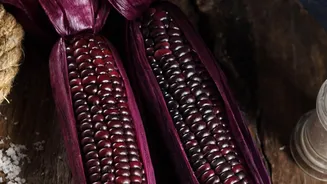
Not all corn is created equal, and the variety traditionally used for monsoon bhutta is quite different from the sweet American corn available year-round. Desi corn, or native Indian maize, is harvested when mature, resulting in kernels that are less sweet, starchier, and have a chewier texture. This local variety has a lower sugar content and a lower glycemic index, meaning it doesn't cause a sharp spike in blood sugar. Its robust, earthy flavour and firm texture are ideal for roasting over charcoal and absorbing the bold flavours of Indian spices. While sweet corn has its place in salads and soups, the heartiness of desi bhutta is what makes it a satisfying monsoon staple.
A Powerhouse of Nutrition
Beyond its comforting appeal, Indian corn is a nutritional powerhouse, making it a smarter choice than many other fried monsoon snacks. It is rich in dietary fibre, which aids digestion and promotes a healthy gut—a significant benefit when seasonal stomach bugs are common. Corn is also a good source of complex carbohydrates, providing sustained energy that can help combat the fatigue often felt during humid weather. Furthermore, it is packed with essential nutrients, including B vitamins, magnesium, potassium, and antioxidants like lutein and zeaxanthin, which are beneficial for eye health. The presence of Vitamin C can also help bolster the immune system, offering protection against seasonal illnesses.
Beyond the Roasted Cob
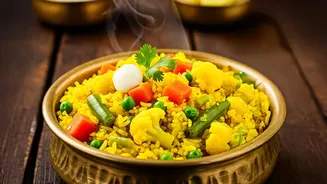
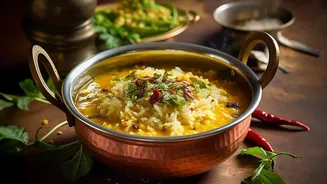
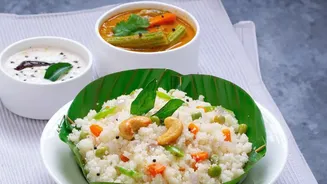
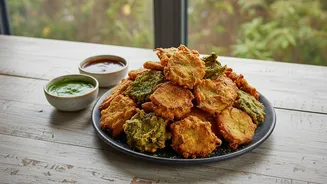
While roasted bhutta is the undisputed star, Indian culinary traditions showcase the versatility of monsoon corn in numerous other delightful ways. In Madhya Pradesh, Bhutte Ka Kees is a popular dish made from grated corn slow-cooked with milk and spices into a creamy delicacy. Gujarat’s Makai Khichdi is another comforting preparation. From crispy corn pakoras and chillas to wholesome corn chaat and savoury sabzis, there are endless ways to incorporate this seasonal grain into your meals. These dishes highlight how different regions have adapted the humble corn, turning it into everything from breakfast items to main courses and even desserts like Bhutte Ka Halwa.