



Immediate First Steps
What you do in the first few minutes is crucial. As soon as you can, take off the wet shoes. Start by removing the laces and insoles; this allows each part to dry separately and thoroughly, preventing moisture from being trapped. If your shoes are muddy,
wipe them down with a damp cloth to remove any dirt or grit before it has a chance to set as a stain. Then, use a dry towel to blot away as much excess water as you can from both the inside and outside of the shoes. Don't rub vigorously, as this can damage the material, especially with leather or suede. The goal is to remove surface water before you begin the real drying process.
The Absolute Worst Thing You Can Do
Before we get to the right way to dry shoes, let’s be clear about the wrong way. Never, ever use direct, high heat. Placing your shoes near a radiator, space heater, in front of a fireplace, or using a hairdryer on a high setting is the fastest way to destroy them. Intense heat causes leather to become brittle and crack, melts the adhesives that hold the shoe together, and can cause synthetic materials to warp or even shrink. Tossing them into a clothes dryer is equally destructive; the combination of heat and tumbling can deform the shoe's structure. Even direct sunlight should be avoided, as UV rays can cause fading and damage to materials like leather over time. Patience is the key to preservation.
The Newspaper Method: A Classic for a Reason
The safest and most effective method for drying shoes is also one of the oldest: stuffing them with newspaper. Newspaper is highly absorbent and works by wicking moisture from the inside out. Ball up sheets of newspaper—not too tightly—and stuff them firmly into the shoes, making sure to fill the toe area completely. This not only absorbs water but also helps the shoe maintain its shape, preventing it from collapsing and creasing as it dries. Wrap the outside of the shoes in a dry towel or a few more sheets of newspaper to draw moisture from the exterior. Place them in a well-ventilated room at room temperature. For very wet shoes, you’ll need to replace the damp newspaper with fresh, dry sheets every few hours. Depending on how soaked they are, the entire process can take 24 to 48 hours.
Accelerating the Process Safely
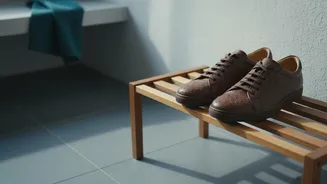
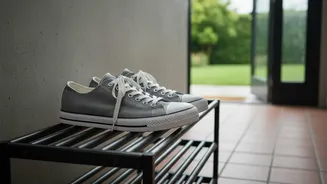
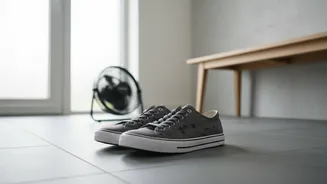
If you're in a bit of a hurry, you can speed up the drying time without resorting to damaging heat. The best way to do this is with moving air. Place your stuffed shoes in front of a room fan on a low or medium setting. The fan circulates air, which helps moisture evaporate more quickly. Don't point the fan directly into the shoe, but rather have it blow across the opening. You can also place them on a wire rack to ensure air circulates all around, including underneath the soles. Some people even create wire hooks to hang the shoes from the front of the fan, allowing air to flow directly inside. This combination of stuffing and airflow can significantly reduce drying time to as little as 12 hours without any risk of damage.
Caring for Different Materials
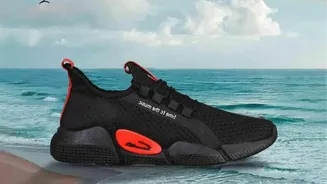
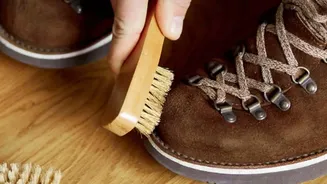
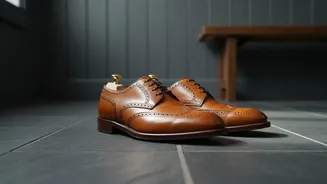
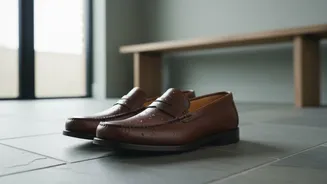
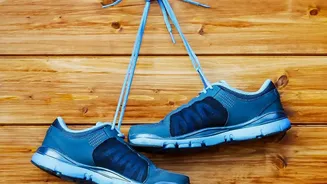
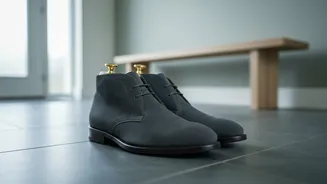
Different shoe materials require slightly different care. For leather shoes, slow drying is essential to prevent cracking. Once they are completely dry, it's vital to apply a quality leather conditioner to replenish the natural oils that were stripped away by the water. For suede, avoid touching the napped surface while it's wet. Let it dry completely using the newspaper or fan method. Once fully dry, use a suede brush to restore the texture and remove any water marks. Canvas and synthetic athletic shoes are generally more resilient, but you should still follow the same principles of avoiding heat and ensuring they are completely dry to prevent mould and odours from developing.