




The Paradox of a Full Closet
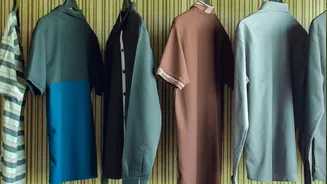
Many people find that they wear only a small fraction of their wardrobe. This often happens because we buy clothes for a fantasy life we don't lead, are tempted by sales, or hold onto items that no longer fit our bodies or identities. The result is a closet
packed with 'emotional artifacts' and 'aspirational purchases' rather than functional, loved pieces. Psychologists note this can cause decision fatigue and even social avoidance when getting dressed feels like a chore. A wardrobe audit—a systematic review of what you own—is the first step toward breaking this cycle. By understanding what you have, you can identify what's truly missing and what's just taking up space.
How to Identify Your Go-To Pieces
Tracking what you wear is simpler than it sounds. One low-tech method is the 'hanger trick': turn all your hangers one way, and when you wear an item, flip its hanger the other way. After a few months, you'll have a clear visual of what you reach for and what you ignore. For more detailed insights, you can use a simple spreadsheet or a dedicated wardrobe tracking app like Stylebook, Whering, or WearTracker. These apps allow you to log outfits daily, giving you concrete data on your most-worn items. The goal isn't to create work, but to effortlessly gather information that will soon become a powerful shopping tool.
Decoding Your Personal Style DNA
Once you've identified your most-worn items, it's time to analyze them. Look for common threads. Are your favorite pieces a specific color, fabric, or silhouette? Perhaps you gravitate towards natural fibers like cotton and linen because they're comfortable, or you feel most confident in structured blazers. These patterns are the building blocks of your true personal style—not what trends dictate, but what genuinely makes you feel good. Make a list of these recurring qualities. This list becomes your personal style compass, a guide that helps you recognize what will truly work for you when you're in a store.
The 'Cost-Per-Wear' Revolution
This is where your shopping habits can truly transform. 'Cost-per-wear' (CPW) is a simple formula: the price of an item divided by the number of times you've worn it. A trendy ₹2000 top worn only twice has a CPW of ₹1000. A classic, well-made pair of jeans that cost ₹8000 but are worn 100 times has a CPW of just ₹80. Thinking in terms of CPW shifts your focus from the initial price tag to long-term value. The 'bargain' that sits in your closet unworn is actually your most expensive piece. By tracking your wears, you can see which of your past purchases were the best investments, guiding you to make similar, high-value choices in the future.
From Insight to Actionable Shopping Rules
Now, translate your findings into a concrete shopping plan. Before you buy anything new, ask yourself if it aligns with your 'personal style DNA'. Does it feature the colours, fits, and fabrics you know you love and wear often? Avoid purchasing an item if you have nothing to pair it with in your existing wardrobe. This simple rule prevents 'wardrobe orphans'—isolated pieces that don't integrate with anything else you own. Your analysis also helps you identify true 'wardrobe gaps'—the missing links that could unlock multiple new outfits from clothes you already have. Instead of shopping aimlessly, you can now shop with a targeted list for specific items you know will serve you well.
Beyond a Better Wardrobe
Knowing your most-worn clothes does more than just refine your closet. It leads to more sustainable consumption by reducing impulse buys and fashion waste. It saves you money by preventing purchasing mistakes and focusing your budget on items with great cost-per-wear value. Most importantly, it helps you cultivate a wardrobe that is an authentic expression of who you are. When your closet is filled with pieces you genuinely love and feel confident in, getting dressed is no longer a source of stress but an act of self-expression. You stop chasing fleeting trends and instead build a lasting collection that truly serves your life.