







Cleanse Gently, Not Aggressively
High humidity triggers your sebaceous glands to produce more oil, leaving your skin feeling greasy and sticky. This mixture of sweat and oil can trap dirt and pollutants, leading to clogged pores and acne. The instinct might be to wash your face repeatedly
with harsh cleansers, but this can backfire. Stripping your skin of its natural oils damages its protective barrier, often causing it to produce even more oil in response. Instead, use a gentle, pH-balanced, gel-based cleanser twice a day. This is enough to remove impurities without causing irritation. If you wear makeup or sunscreen, consider double cleansing in the evening, starting with an oil-based cleanser or micellar water to break down products before your regular face wash.
Exfoliate, But With Caution
With the increased buildup of dead skin cells and oil during the monsoon, exfoliation is crucial to keep your pores from getting congested. However, this is a time for gentle action. Over-exfoliating can compromise your skin's barrier, leading to sensitivity and irritation. Limit exfoliation to once or twice a week. Opt for a mild chemical exfoliant containing AHAs (like glycolic acid) or BHAs (like salicylic acid) which dissolve dead skin cells effectively. If you prefer a physical scrub, choose one with fine, uniform particles to avoid causing micro-tears in the skin. Always follow up with a moisturizer to soothe and hydrate the skin after exfoliating.
Switch to a Lightweight Moisturiser
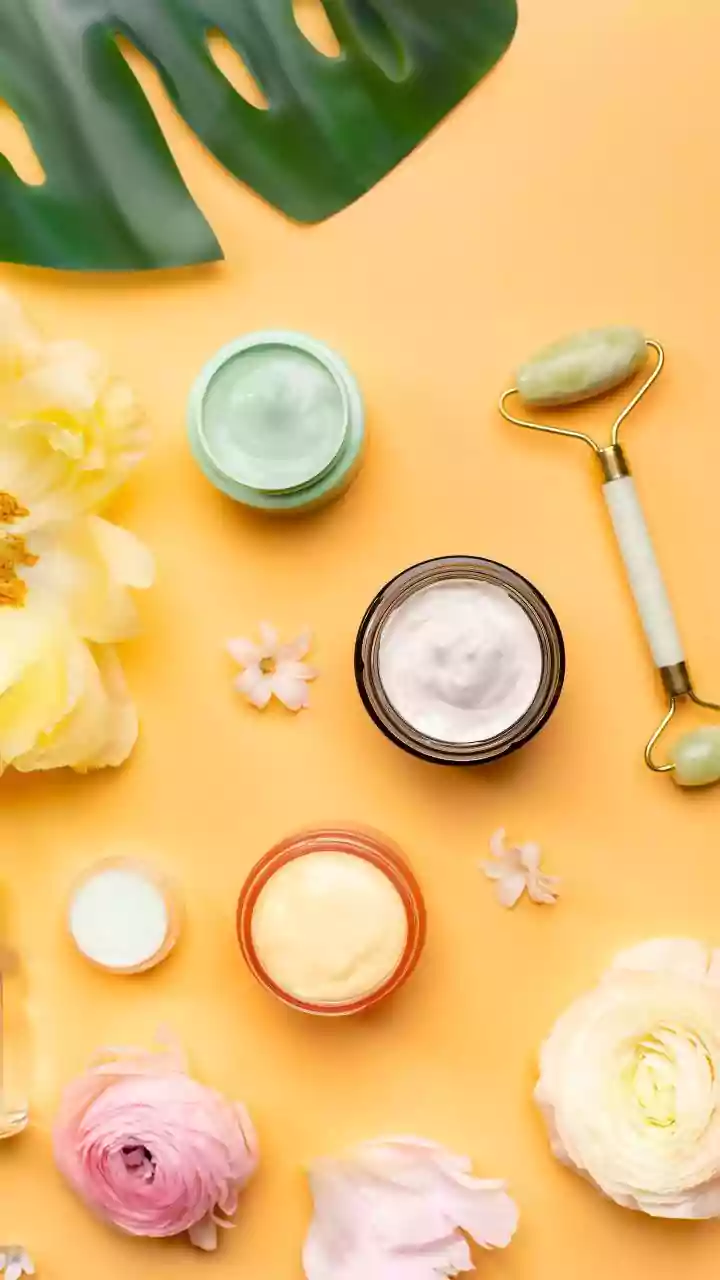
One of the biggest mistakes people make during the monsoon is skipping moisturiser because their skin already feels sticky. But humidity and hydration are not the same thing. Your skin still needs moisture to maintain its barrier function. The key is to change the texture of your product. Swap out heavy, creamy moisturisers for lightweight, non-comedogenic (pore-clogging), and oil-free formulas. Gel-based or water-based moisturisers are ideal for humid weather as they absorb quickly without leaving a greasy film. Look for products containing humectants like hyaluronic acid or glycerin, which draw moisture into the skin, keeping it hydrated and balanced.
Don't Let the Clouds Fool You
Cloudy monsoon days can be deceptive, leading many to believe that sunscreen is optional. This is a crucial error. Harmful UVA and UVB rays can easily penetrate cloud cover, contributing to skin damage, hyperpigmentation, and premature ageing. Furthermore, reflection from wet surfaces can increase your UV exposure. Make a broad-spectrum sunscreen with at least SPF 30 a non-negotiable part of your daily routine. For comfort in the humidity, look for lightweight, gel-based, or matte-finish formulas that won't feel heavy on the skin.
Keep Fungal Infections at Bay
The warm, damp conditions of the monsoon create a perfect breeding ground for fungi. This makes fungal infections like ringworm and athlete's foot incredibly common during this season. Prevention is simple but vital: keep your skin dry. After bathing, towel-dry your body thoroughly, paying special attention to skin folds like the underarms, groin, and between the toes. Wear loose, breathable cotton clothing that allows air to circulate. If you get caught in the rain, change out of your damp clothes as soon as possible. Using an antifungal powder in sweat-prone areas can also be a helpful preventive measure.
Embrace Minimal Makeup
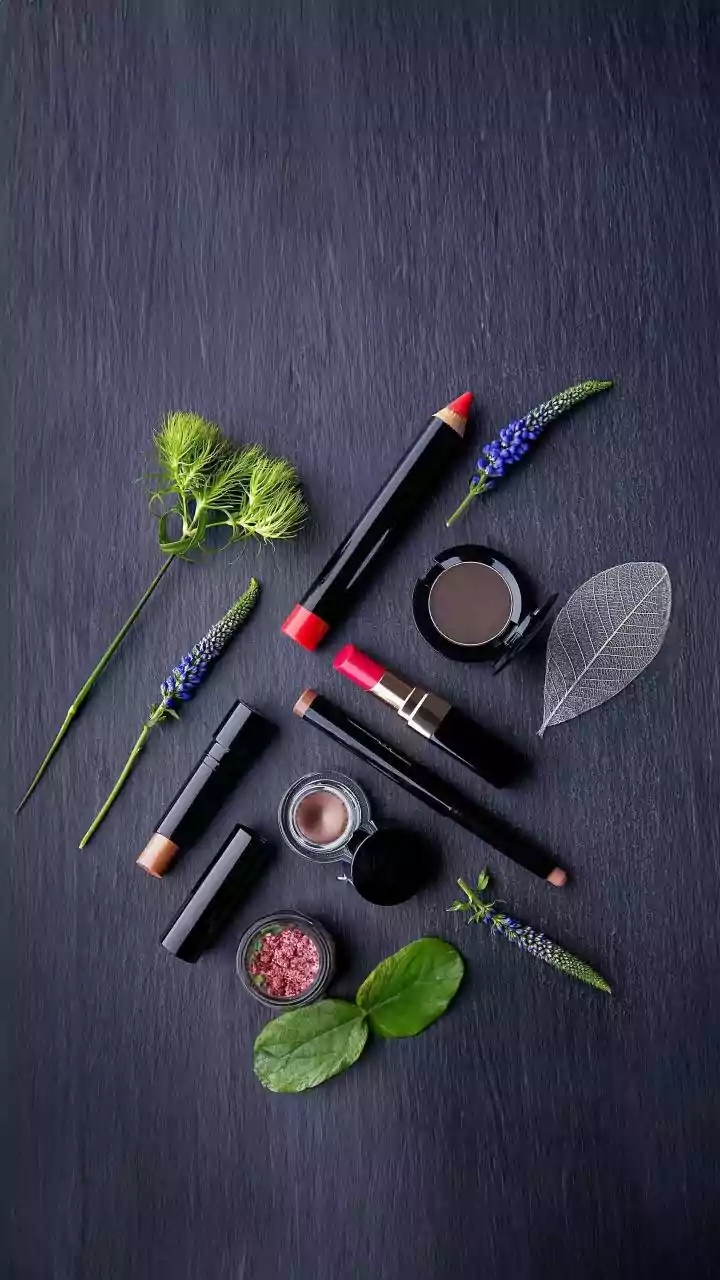
Heavy layers of foundation and other oil-based makeup can trap sweat and oil, further congesting your pores during the humid monsoon months. This is the perfect season to let your skin breathe. If you do wear makeup, opt for minimal, lightweight, and non-comedogenic products. A tinted moisturiser or a BB cream can provide light coverage without feeling heavy. Powder-based products are generally a better choice than liquids or creams. Most importantly, ensure you remove all traces of makeup thoroughly at the end of the day to prevent breakouts.