






A Journey to a Metal World
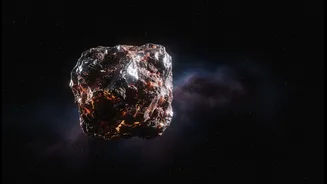
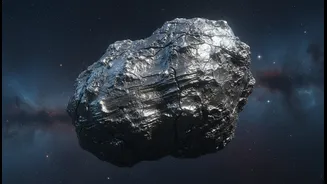
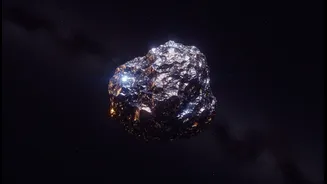
Deep in the main asteroid belt between Mars and Jupiter lies an object unlike any other we’ve explored: 16 Psyche. While most asteroids are rocky or icy, Psyche appears to be composed largely of metal. Scientists believe it could be the exposed nickel-iron
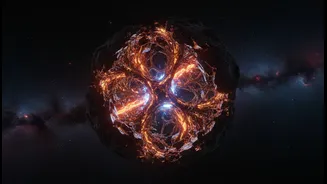
core of a planetesimal, an early planetary building block that was shattered in the chaotic dawn of our solar system. If they are right, visiting Psyche would be the closest humanity has ever come to exploring a planetary core. We can't drill down to Earth's core, but this mission could offer a unique window into the heart of a world that was stripped of its outer layers by ancient, violent collisions.
The Building Blocks of Planets
So, what exactly is a planetesimal? Think of them as the original Lego bricks of the solar system. About 4.6 billion years ago, after the Sun ignited, the material in the disk of gas and dust surrounding it began to clump together. Grains of dust stuck to form pebbles, pebbles collided to become boulders, and these eventually grew into bodies kilometres across, bound by their own gravity. These are planetesimals. Most of them continued to collide and merge, eventually forming the planets we see today, including Earth. Others, like 16 Psyche, may be the leftover cores of these failed planets, providing a direct look at the raw materials of planetary formation.
Answering the Headline: Is It Scanning Now?
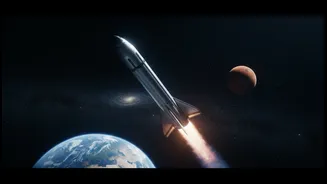
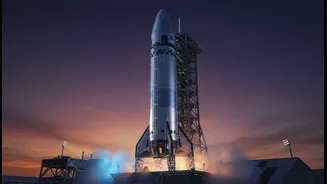
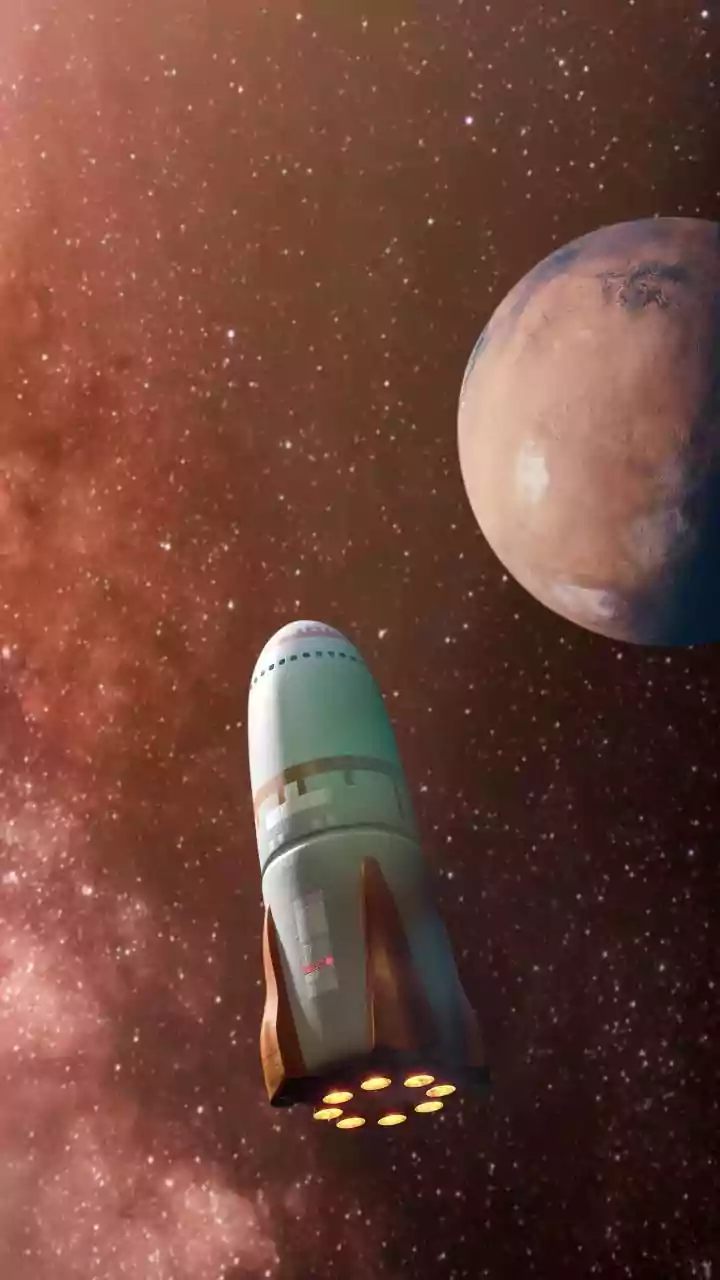
The headline paints a picture of active discovery, but it's important to clarify the mission's timeline. The Psyche spacecraft launched in October 2023 and is currently on its long voyage through space. After a successful gravity-assist maneuver around Mars in May 2026, it is now on a direct course for the asteroid belt. However, it will not arrive at 16 Psyche until August 2029. So, while the probe is not yet scanning the asteroid, the headline captures the ultimate promise of the mission. Our current understanding of Psyche comes from ground-based radar and telescopes, which suggest it is a mixture of rock and metal, but these observations from afar can only tell us so much. The real revelations will begin when the spacecraft arrives.
The Mission’s Toolkit for Discovery
Once Psyche reaches its destination, it will spend nearly two years in orbit, using a suite of advanced instruments to “scan” the asteroid in unprecedented detail. Its Multispectral Imager will take high-resolution photos, helping scientists distinguish between metallic and rocky areas and map the asteroid's geology. A Gamma-Ray and Neutron Spectrometer will detect the elements on the surface, definitively answering the question of what Psyche is made of. Finally, a Magnetometer will search for any remnant of an old magnetic field, which would be strong evidence that Psyche was indeed once the molten core of a planetesimal. Together, these instruments will build a complete picture of this strange new world.
Why This Metal World Matters
Exploring a metallic asteroid isn't just about satisfying scientific curiosity; it's about understanding our own origins. The planets of our solar system, including Earth, are believed to have metallic cores, but they are buried deep beneath miles of rock. By studying Psyche, scientists hope to learn more about how planetary cores form, what they are made of, and the violent history of our solar system’s formation. It’s a mission that could rewrite our understanding of how rocky planets become habitable worlds. For the first time, we won't be observing a world of rock or ice, but one of metal, offering a fundamentally new perspective on the evolution of our cosmic neighbourhood.