

Why Saturn Shines This Month
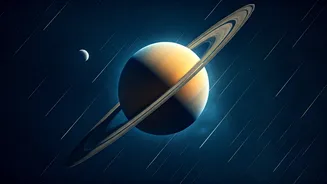
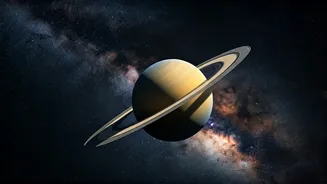
July marks a turning point for Saturn observers. While the planet will reach its official opposition—its closest and brightest point for the year—in October, this month is when it truly begins its ascent into the celestial spotlight. Throughout July,
Saturn becomes progressively easier to see, rising earlier and climbing higher in the sky before dawn. At the start of the month, you'll have to stay up late or wake up very early to catch it low on the eastern horizon. However, by the end of July, it will be in a much better position, reaching a good altitude in a dark sky, making for clearer and more stable viewing. This improved visibility signals the start of a prime viewing season that will last for several months.
When and Where to Look
To spot Saturn, you’ll need to be an early riser or a night owl. The planet is visible in the predawn sky all month long. At the beginning of July, it rises around 1 a.m., but by the end of the month, you can find it rising two hours earlier. Look towards the east and southeast in the constellation Pisces. A special treat occurs on the mornings of July 7th and 8th, when the waning Moon will appear close to Saturn, creating a beautiful pairing that can help you easily identify the planet. As the month progresses, your best opportunity for a great view will be on July 31st, when the planet reaches a solid 30 degrees of altitude in the southeastern sky around 3 a.m. in the UK, a good indicator for similar timings in other northern hemisphere locations.
Tips for the Best View
You don't need professional equipment to begin your stargazing journey. While Saturn is visible to the naked eye as a bright, yellowish-white point of light that doesn’t twinkle like a star, a simple pair of binoculars will enhance the view. To see its most famous feature—the rings—you will need a small telescope. This year offers a unique perspective; the rings are tilted at a shallow angle from our viewpoint, making them appear unusually thin. For the best experience, find a location away from bright city lights. Give your eyes about 30 minutes to fully adapt to the darkness for optimal night vision—and try to avoid looking at your phone screen.
More Celestial Treats in July
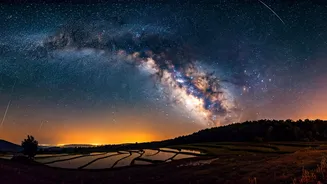
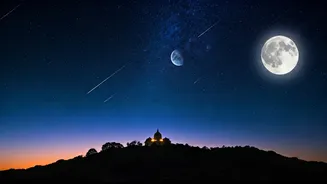
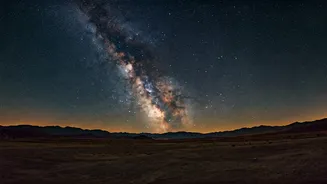
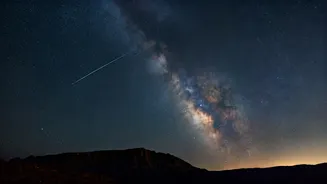
While Saturn is the headliner, it’s not the only show in the sky this month. In the predawn hours of July 11th and 12th, the Moon will create a lovely lineup with Mars and Saturn in the eastern sky. July is also a fantastic month for viewing the Milky Way. Around the new moon on July 14th, the sky will be at its darkest, providing a perfect canvas to see the glittering core of our galaxy stretching across the sky, particularly in the southern direction toward the constellations Scorpius and Sagittarius. Later in the month, the Southern Delta Aquariid meteor shower kicks off, running from July 12th to August 23rd. Though its peak on July 30-31 coincides with a bright moon this year, which will wash out fainter meteors, you might still catch a few bright streaks in the sky.