



Moong Dal: The Quick-Cooking Comfort Food
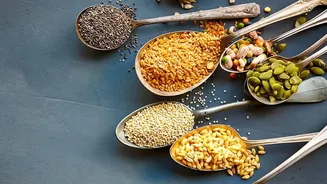
During the monsoon, our digestive systems can become sluggish. Moong dal is prized in Indian households and Ayurveda for being exceptionally light on the stomach and easy to digest. Unlike heavier lentils that require long soaking and cooking times, yellow
moong dal cooks in minutes, making it perfect for a quick, nourishing weeknight meal. Its manageability lies in its speed and versatility. You can whip up a simple dal tadka, a one-pot khichdi, or even a hearty soup with minimal effort. A warm bowl of khichdi, made with rice and moong dal, is considered an ideal monsoon dinner, helping to keep gut health in check without spending hours in the kitchen.
Ginger and Garlic: The Immunity Power Duo
Ginger and garlic are the foundation of countless Indian dishes, but their importance is amplified during the rainy season. Both are celebrated for their potent anti-inflammatory, antibacterial, and antiviral properties. The high humidity of monsoon can lead to a rise in infections like colds and coughs, and incorporating this duo into your daily meals is a simple way to help support your immune system. Making them manageable is easy: a simple ginger-garlic paste can be prepared in advance and stored for a week. A teaspoon added to your sabzi, dal, or a steaming cup of ginger tea provides both a flavour boost and a wellness shield.
Turmeric: The Golden Healer
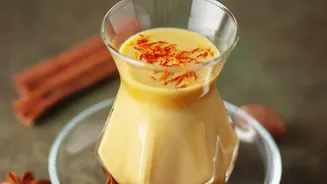
Turmeric, or haldi, is another kitchen staple that becomes a non-negotiable ally during the monsoon. Its active compound, curcumin, is a powerful antioxidant and anti-inflammatory agent that supports the body's natural defences. With the increased risk of water-borne diseases and infections, a daily dose of turmeric can be beneficial. It's effortlessly manageable to include in your diet. A pinch of turmeric can be added to nearly any savoury dish, from poha for breakfast to your evening vegetable curry. The classic 'haldi doodh' or turmeric milk, is a comforting monsoon beverage that aids in fighting off seasonal bugs and promoting better sleep.
Seasonal Gourds: Light and Hydrating
Vegetables like bottle gourd (lauki) and ridge gourd (turai) are classic monsoon vegetables for a reason. They are composed mostly of water, making them incredibly hydrating and easy on the digestive system. Furthermore, these gourds cook very quickly, which is a huge advantage when you want to prepare a fresh, hot meal without a lot of fuss. They readily absorb the flavours of spices, making them a versatile ingredient for simple curries, stir-fries, or even being added to dal. Opting for these seasonal gourds ensures you are eating fresh produce while making your cooking process faster and lighter.
Corn (Bhutta): The Effortless Seasonal Snack
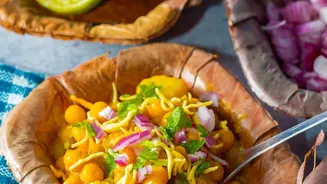
The sight of roasted corn on the cob is synonymous with monsoon in India. Beyond being a beloved street food, corn is a manageable and healthy option for home cooking. It's a good source of fibre and antioxidants. Preparing it at home is incredibly simple, whether you choose to roast it over an open flame or boil it. A simple masala corn chaat, made with boiled corn, chopped onions, tomatoes, and a squeeze of lime, can be a satisfying and quick evening snack that is far healthier than deep-fried alternatives. Its minimal prep time makes it a perfect, manageable treat for a rainy day.