






The Invisible Contaminant
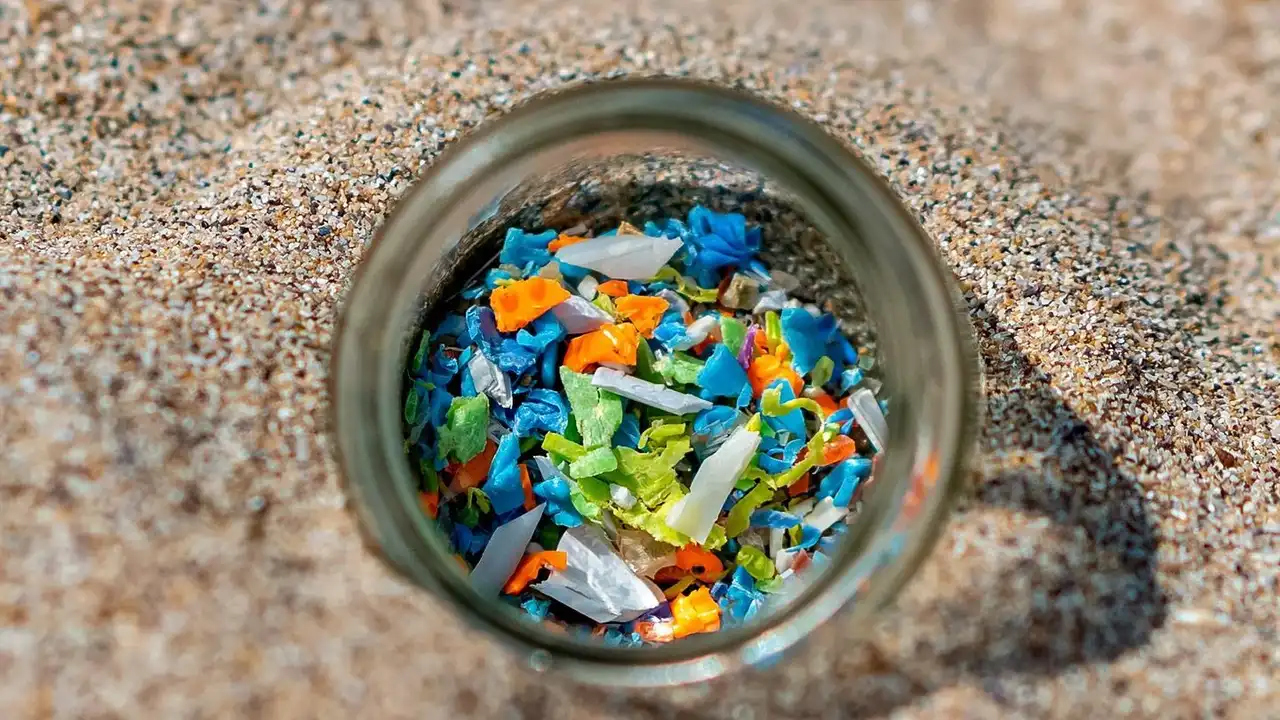
Microplastics are tiny plastic fragments less than five millimetres long. They are not a specific type of plastic, but rather the result of larger plastic items—like bottles, bags, and synthetic clothing—breaking down over time. This process of degradation
from environmental weathering means that plastics don't truly disappear; they just become smaller and more pervasive. These particles are now found across the globe, from the deepest oceans to the soil in our farms, and inevitably, they are making their way into the human food chain.
From the Ocean to Your Plate
One of the most well-known pathways for microplastic contamination is through our oceans. Marine animals often mistake small plastic pieces for food. These particles are ingested by everything from tiny zooplankton to larger fish and shellfish. When these contaminated aquatic animals are harvested for human consumption, the microplastics can be transferred to us. Seafood, especially shellfish that are consumed whole, is a significant source. However, exposure from eating finfish is often considered lower, as the plastics tend to remain in the gut, which is usually removed before eating.
It's In the Soil and Water
It isn't just seafood. Microplastics heavily contaminate soil and freshwater systems. This happens through multiple routes, including the use of sewage sludge as fertilizer, irrigation with contaminated water, and the breakdown of plastic mulching used in agriculture. Once in the soil, these particles can be absorbed by the roots of crops, meaning our fruits and vegetables can also be a source of contamination. Water serves as another primary vehicle for exposure, not just for drinking but also in its role during food production and processing. While wastewater treatment can remove a high percentage of microplastics, some still get through, and even bottled water has been shown to contain these particles.
The Role of Processing and Packaging
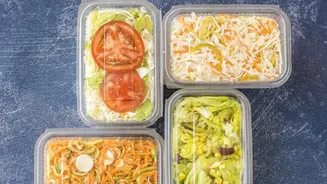
The journey from farm to table introduces even more opportunities for contamination. Food processing equipment with plastic components can shed particles over time due to friction and wear. Studies have found that highly processed foods, such as chicken nuggets or breaded shrimp, can contain significantly more microplastics than their unprocessed counterparts, suggesting processing plays a key role. Food packaging itself is another major contributor. The simple act of opening a plastic container, or scraping it with utensils, can release tiny fragments. Heating food in plastic containers can also accelerate the migration of these particles into your meal.
The Unanswered Question: Health Risks
The biggest question scientists are still grappling with is what this all means for human health. Once ingested, it is believed over 90% of microplastics are excreted. However, the smallest particles, known as nanoplastics, may be able to cross into our bloodstream and organs. Studies in labs have linked the chemicals in plastics to a range of potential health issues, including inflammation, immune system damage, and reproductive problems. Some research suggests a possible link to an increased risk of heart attacks and strokes. Despite these findings, the scientific evidence on the direct health risks to humans from ingesting microplastics in food is still considered evolving and not yet conclusive.