






An Immersion in Total Green
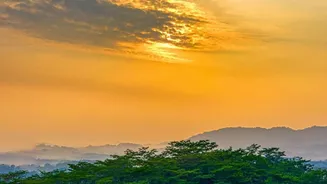
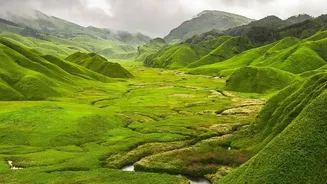
The first thing that strikes you in a rainforest is the overwhelming presence of green. It’s a multi-layered, living tapestry that stretches from the forest floor to the high canopy. This immersion in nature is more than just a visual treat; it has profound
psychological benefits. The Japanese practice of 'shinrin-yoku', or forest bathing, is built on this principle. Studies have shown that spending time in a forest environment can lower blood pressure, reduce stress hormones like cortisol, and improve your mood and ability to focus. A rainforest engages all your senses, pulling you into the present moment and away from the anxieties of daily life. The air itself feels different—cleaner, thicker with the scent of damp earth, decaying leaves, and blooming flowers.
A Symphony of Natural Sounds
Urban environments are a cacophony of artificial noises. In contrast, the rainforest offers a complex, natural soundscape that is both exhilarating and calming. Mornings begin with a chorus of birdsong. Afternoons are punctuated by the buzz of insects and the calls of monkeys, while nights come alive with the chirps of frogs and other nocturnal animals. In places like Silent Valley National Park in Kerala, the sheer density of the forest creates a unique acoustic environment, where the air is filled with the sounds of life itself. This constant, gentle symphony is a world away from blaring horns and sirens, allowing your mind to relax and reset in a way that’s simply not possible in a city.
The Thrill of Discovery
Rainforests are biodiversity hotspots, teeming with life. A holiday here is an adventure filled with opportunities for discovery. Guided jungle treks might lead you to spot a herd of elephants in the Western Ghats, find India's only ape—the hoolock gibbon—in Assam, or catch a glimpse of a rare lion-tailed macaque. Many destinations offer a range of activities, from canopy walks high in the treetops to night safaris that reveal the forest's nocturnal secrets. Whether you're kayaking down a winding river in Dandeli, exploring misty trails in Meghalaya, or birdwatching in Namdapha National Park, there's a constant sense of wonder. You might see giant butterflies, exotic orchids, or simply marvel at the ancient, towering trees.
A Digital Detox by Default
In many rainforest destinations, reliable mobile connectivity is a luxury, not a guarantee. This might sound daunting at first, but it's one of the most significant benefits of a rainforest escape. Being unreachable forces a true digital detox. Without the constant pings of emails and social media notifications, you have the chance to reconnect—with yourself, your travel companions, and the natural world around you. This enforced offline time is incredibly restorative, clearing mental clutter and helping you to appreciate your surroundings more fully. The remoteness of places like the Great Nicobar Biosphere Reserve or parks in Arunachal Pradesh makes them perfect for this kind of unplugged retreat.
Where to Experience the Rainforest
India is blessed with several magnificent rainforest regions. The Western Ghats, stretching through states like Kerala, Karnataka, and Tamil Nadu, offer numerous protected areas such as Silent Valley and Periyar National Park. These areas are known for their rich biodiversity, including elephants and tigers. In Northeast India, the forests of Assam, Arunachal Pradesh, and Meghalaya provide a more remote and wild experience. Namdapha National Park in Arunachal Pradesh, for instance, is a vast, largely unexplored wilderness. For those looking to travel internationally, the rainforests of Southeast Asia, like Taman Negara in Malaysia or Khao Sok in Thailand, are incredible options.