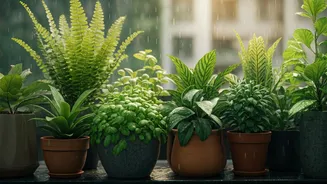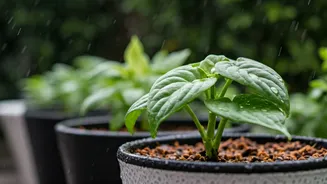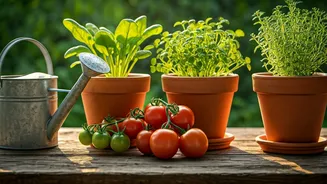





The Heartbreak of a Wilting Plant
We’ve all been there. You bring home a beautiful new plant, full of life. You water it, give it sunlight, and talk to it (we all do it!). But then, especially during the monsoon or in a stuffy room, the leaves start to yellow and droop. The soil feels
perpetually damp and might even grow a layer of white mould. This isn't just 'foliage decay'; it's often a sign of a deeper problem starting at the roots. The most common culprit is overwatering, a problem made much worse by high humidity. When the air is saturated with moisture, the soil simply can't dry out, leading to suffocated, rotting roots.
Why Humidity Complicates Everything
In a climate like India's, humidity is a major factor for plant parents. While many popular houseplants are tropicals that enjoy humid air, their roots have a different requirement: they need oxygen. When soil stays waterlogged, the air pockets that roots rely on for breathing disappear. The plant effectively starts to drown from the bottom up. During the monsoon season, this becomes a critical issue. You might be watering less, but the ambient moisture prevents evaporation, creating a perfect storm for root rot. It’s a frustrating cycle where your best intentions to care for your plant can inadvertently cause its demise.
Enter the Self-Watering Pot
This is where intelligent self-watering pots come in as a game-changer. Don't be intimidated by the 'intelligent' tag; the concept is brilliantly simple. These pots consist of two main parts: an inner pot that holds the plant and soil, and an outer reservoir that holds a supply of water. A wicking material, often a piece of absorbent rope or a porous ceramic base, connects the two. This wick draws water up from the reservoir into the soil as it begins to dry out. The plant essentially takes a drink only when it’s thirsty, mimicking natural water uptake far better than a weekly watering schedule ever could.
How They Outsmart Root Rot
The genius of this system lies in its ability to provide consistent moisture without waterlogging the soil. The main soil mass is never sitting directly in water. Instead, the capillary action of the wick delivers just enough hydration to the root zone. This ensures the upper layers of the soil remain relatively airy and oxygenated, preventing the anaerobic conditions where root rot fungi thrive. By taking the guesswork out of watering—'Is the soil too dry? Is it too wet?'—these pots create a stable, healthy environment for your plant's root system to flourish, even when the air around it is thick with humidity.
Making the Switch: A Simple Guide
Transitioning your plants to self-watering pots is straightforward. First, choose a pot that’s slightly larger than your plant's current one. Gently remove the plant from its old pot, shaking off excess old soil. Place a layer of your preferred potting mix in the new self-watering pot, set up the wick according to the instructions, and then position your plant inside. Fill the surrounding space with more soil, patting it down gently. For the first time, water the plant from the top to help the soil settle and activate the wicking system. After that, you simply need to keep the reservoir filled. Most pots have a clear window or an indicator to show you the water level.
Tips for Long-Term Success
To get the most out of your new pots, keep a few things in mind. First, don't keep the reservoir full to the brim at all times; allowing it to go nearly empty occasionally lets the soil air out a bit more. Every few months, it’s a good idea to flush the soil by watering from the top to wash away any mineral salts that might have built up. Self-watering pots are fantastic for plants that prefer consistently moist soil, such as ferns, peace lilies, African violets, and calatheas. For succulents and cacti that need their soil to dry out completely, a traditional pot might still be a better choice.