
The Rise of the Conscious Consumer
The past decade has seen a dramatic shift in Indian consumer habits. There is a growing awareness of what goes into our bodies, leading to a demand for healthier, more transparent food options. Traditional cookies, often made with maida (refined flour)
and loaded with sugar, are being viewed with increasing skepticism. This health-conscious wave has created the perfect opportunity for ancient grains to make a comeback. Consumers are actively seeking out snacks that offer more than just empty calories, and bakers are responding to this call by re-imagining their classic recipes with a nutritious twist.
A Nutritional Powerhouse
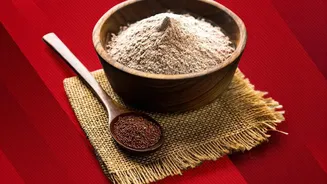
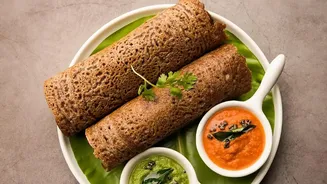
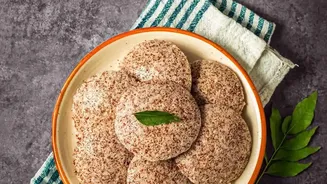
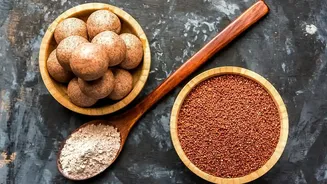
Jowar (sorghum) and ragi (finger millet) are not new; they are staples that have been part of Indian diets for centuries. Their resurgence is due to their incredible nutritional profiles. Both are naturally gluten-free, making them a godsend for people with celiac disease or gluten sensitivity. Ragi is a standout for its high calcium content—often higher than dairy by weight—and is also a great source of iron. Jowar is packed with protein, dietary fiber, and essential minerals like magnesium. This high fiber content helps in better digestion, promotes a feeling of fullness to aid in weight management, and helps stabilize blood sugar levels due to a low glycemic index.
Beyond Health: A World of Flavor
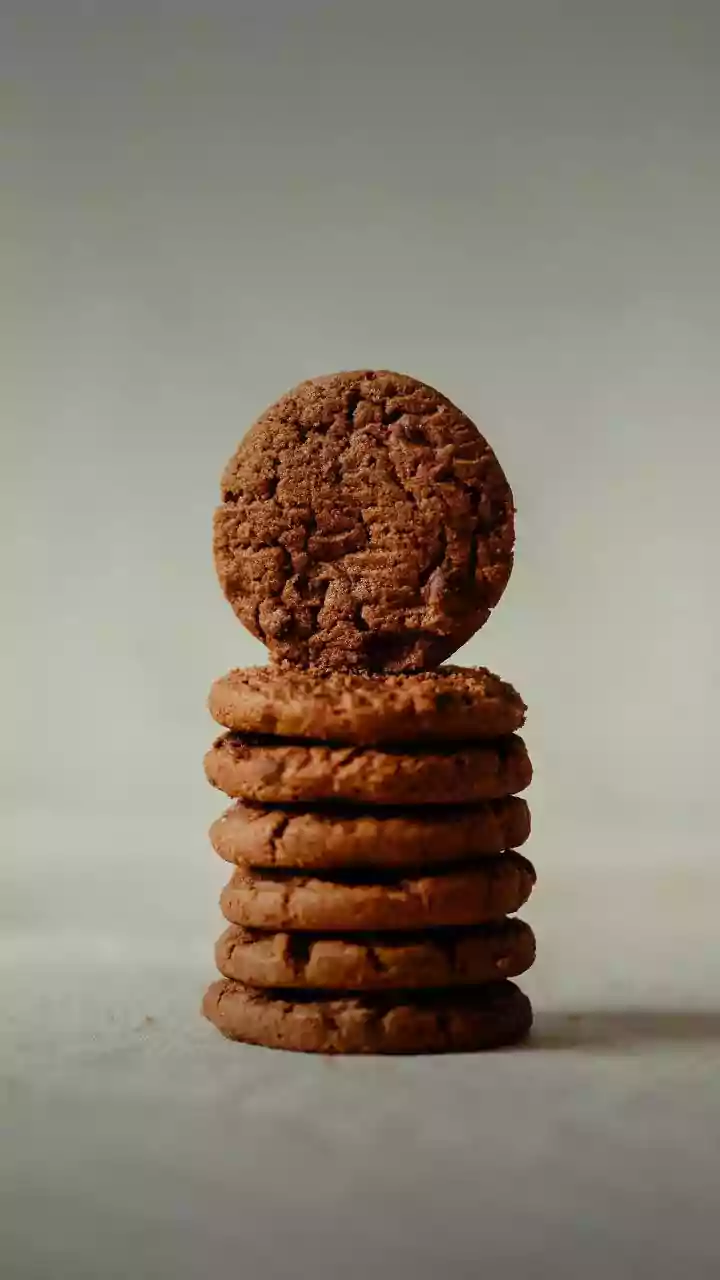
A common misconception is that healthy food must be bland. Millet-based cookies are proving that wrong, one delicious bite at a time. Bakers are discovering that these grains offer a complex and desirable flavor profile that refined flour simply cannot match. Ragi imparts a deep, earthy, and almost malty taste that pairs beautifully with ingredients like jaggery, cardamom, and chocolate. Jowar has a milder, slightly nutty flavor that serves as a versatile base, complementing a wide range of additions from citrus to nuts. The result is a cookie that doesn’t just taste “healthy,” but tastes genuinely rich, complex, and satisfying in its own right.
The Baker's Creative Canvas
For artisanal bakers, who are artists in their own right, working with millets offers a new creative challenge. These flours behave differently from wheat flour; they absorb moisture differently and lack gluten, which affects texture. This encourages experimentation with recipes and techniques to achieve the perfect balance of crisp edges and a chewy center. The unique properties of millet flours can create a denser, heartier cookie, offering a satisfying mouthfeel that many consumers are coming to prefer. This move allows bakers to differentiate themselves from mass-market producers and showcase their commitment to quality, innovation, and local ingredients.
A Sustainable and Local Choice
The shift to millets is not just a health trend; it's also an environmentally conscious one. Millets like jowar and ragi are known as climate-resilient crops. They are typically rain-fed, require significantly less water than wheat and rice, and can thrive in harsh conditions with fewer pesticides and fertilizers. By choosing to bake with these grains, artisanal bakeries are supporting sustainable agricultural practices and often, local farmers. This connects them to a larger story of food sovereignty and environmental stewardship, which resonates deeply with a growing segment of their customer base who want their purchases to have a positive impact.