

The Hill Station Hangover
For decades, names like Shimla, Manali, Ooty, and Mussoorie were synonymous with sanctuary. They were the default answer for summer holidays and long weekends. But their popularity has come at a cost. Today, these beloved destinations are grappling with the pressures
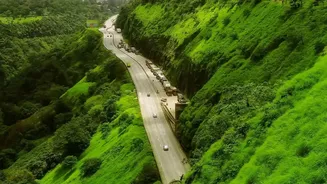
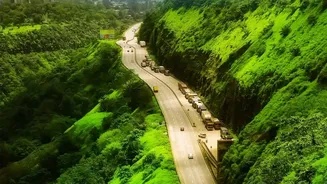
of overtourism. Seasonal overcrowding chokes narrow mountain roads, sometimes for hours, and overwhelms limited infrastructure. The strain on natural resources, especially water, is immense, often leading to shortages for local communities. Furthermore, the proliferation of concrete hotels and inadequate waste management systems degrade the fragile ecosystems that made these places special in the first place. The very tranquility that people travel to find is often lost amidst the commercial hustle, turning a peaceful retreat into a stressful ordeal.
The Rise of the Mindful Traveller
In response to this, a different kind of traveller is emerging: the mindful traveller. This isn't just a buzzword; it's a fundamental shift in philosophy. Instead of rushing through a checklist of tourist spots, mindful travel is about slowing down and seeking deeper, more meaningful experiences. It prioritises connection—with nature, with local culture, and with oneself. This approach is less about extraction and more about immersion. It champions sustainability, not just environmentally but culturally and economically too, by supporting local communities through homestays and small businesses. The focus is on the quality of the journey, seeking personal growth, well-being, and authentic memories over fleeting photo opportunities.
Why the Western Ghats?
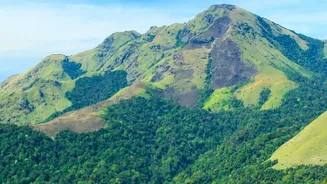
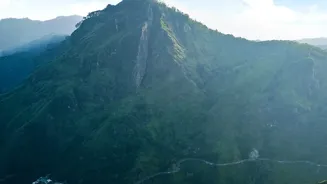
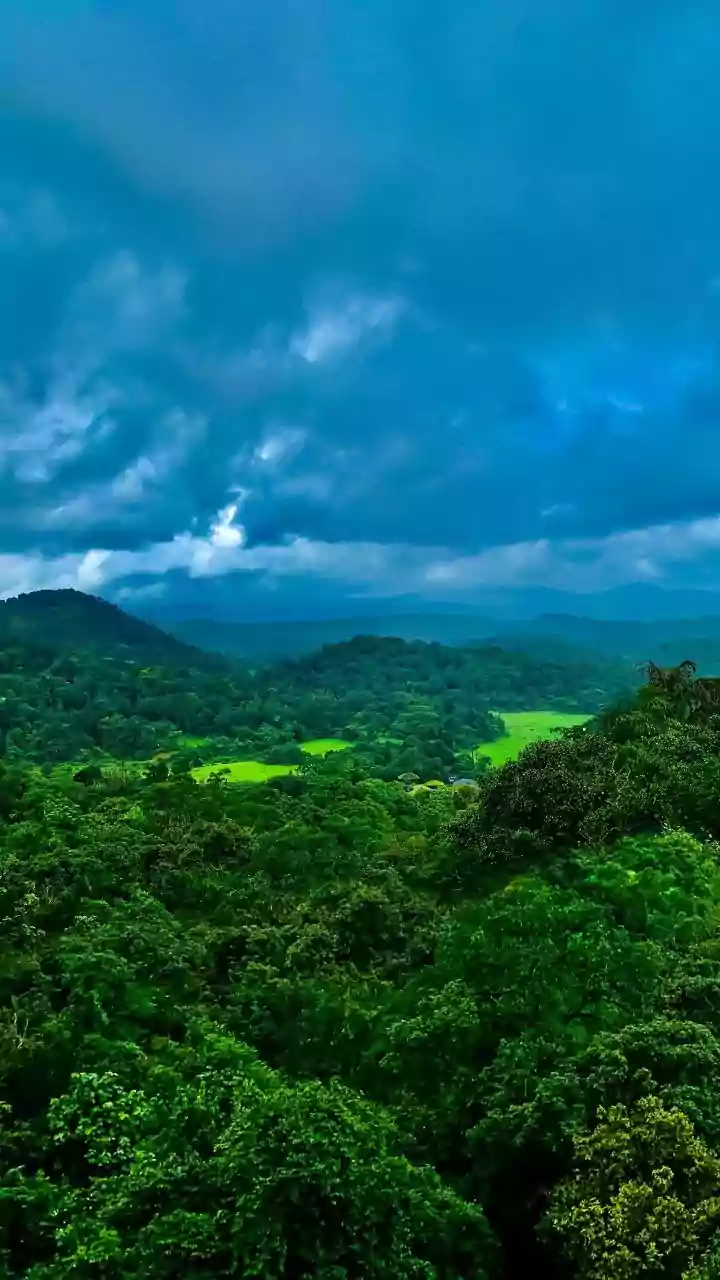
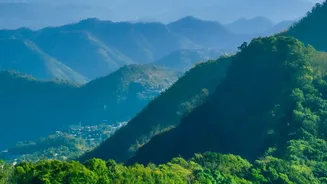
This is where the Western Ghats enter the picture. A UNESCO World Heritage site, this magnificent 1,600 km mountain range running parallel to India's west coast is the perfect antidote to the crowded chaos of popular hill stations. Spanning states like Maharashtra, Goa, Karnataka, Kerala, and Tamil Nadu, its sheer vastness offers endless opportunities for quiet exploration. Unlike the concentrated development of a single town, the Ghats offer a distributed network of experiences. They are a biodiversity hotspot, home to lush forests, cascading waterfalls, and unique wildlife, providing a genuine connection to nature. The region is dotted with lesser-known hill stations, serene plantation lands, and villages that have not yet been overwhelmed by commercial tourism, offering a glimpse into a slower, more authentic way of life.
The Journey Becomes the Destination
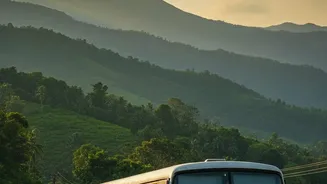
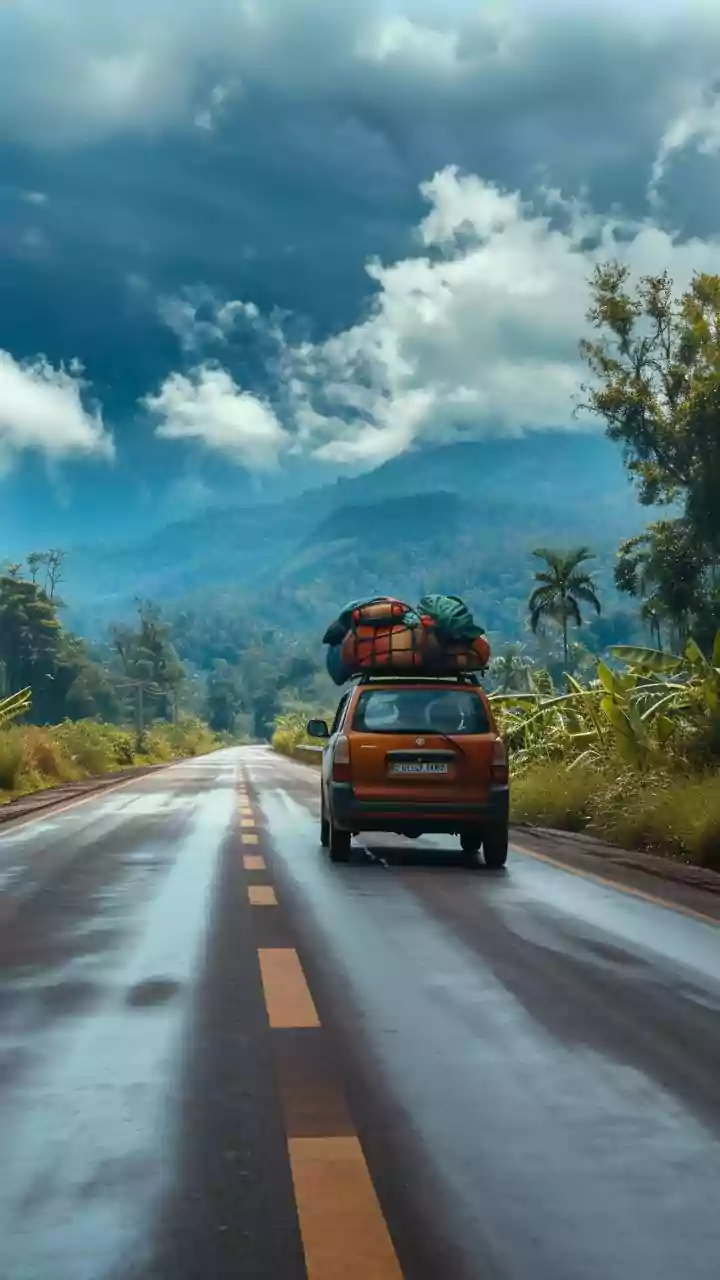
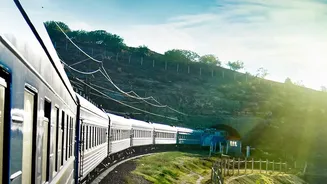
One of the greatest appeals of the Western Ghats is the journey itself. The scenic routes here are destinations in their own right. Think of the winding roads through the tea plantations of Munnar in Kerala or Valparai in Tamil Nadu, where the air is thick with the scent of tea leaves. Consider the drive through Chorla Ghat on the Goa-Karnataka border, a realm of dense forests and hidden waterfalls. In Karnataka, routes leading to Coorg or Sakleshpur take you through misty hills and aromatic coffee estates. These drives encourage travellers to slow down, to stop at a local chai stall, to admire a viewpoint without a crowd, and to let the landscape unfold at its own pace. It's a return to the classic road trip, where discovery happens between points A and B.
From Concrete Blocks to Conscious Stays
Accommodation in the Western Ghats often mirrors the mindful travel ethos. Instead of large, impersonal hotels, travellers are opting for stays that are integrated with the environment. Eco-lodges and resorts are designed to work with the landscape, not dominate it, often using sustainable materials and practices. Plantation bungalows and farm stays offer an immersive experience, allowing guests to wake up amidst coffee, spice, or tea gardens and learn about sustainable agriculture. Family-run homestays provide a direct connection to local culture and cuisine, fostering genuine interactions and ensuring that tourist spending directly benefits the community. These stays are not just a place to sleep; they are an essential part of the experience, offering peace, authenticity, and a lighter footprint.