





1. Master the Paw-Cleaning Ritual
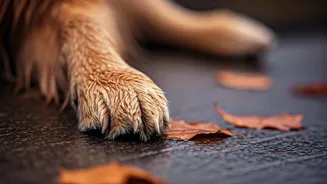
Your dog's paws are their first point of contact with the wet, muddy world outside. Puddles and waterlogged streets can be a breeding ground for bacteria and germs, including the dangerous Leptospirosis. Make it a non-negotiable rule to clean and dry
your pet’s paws after every single walk. Use a soft towel with lukewarm water or invest in pet-friendly antiseptic wipes. Pay close attention to the area between their paw pads, where moisture can get trapped and lead to fungal infections. A quick five-minute clean-up can prevent a world of itchiness and discomfort.
2. Prioritise Coat Care and Skin Health
The constant dampness and high humidity are a perfect storm for skin issues. A wet coat that isn't dried properly can lead to hotspots, fungal infections, and a persistent bad odour. Keep a dry, absorbent towel handy by the door to wipe your pet down immediately after they come inside. For long-haired breeds, you may need to use a hairdryer on a low-heat, low-speed setting. Regular brushing is also crucial during this season to prevent matting, improve air circulation to the skin, and help you spot any ticks or fleas that may have hitched a ride.
3. Double Down on Parasite Prevention
Monsoon is peak season for ticks, fleas, and mosquitoes. These parasites thrive in the damp, humid environment and can transmit a host of dangerous diseases, from tick fever to heartworm. This is not the time to be complacent with your pet's parasite prevention schedule. Consult your veterinarian to ensure your pet is on the most effective and appropriate preventative medication, whether it's a spot-on treatment, a chewable tablet, or a medicated collar. Thoroughly check your pet's fur after walks, paying special attention to areas like the ears, neck, and between the toes.
4. Manage Diet and Hydration
Stagnant water in puddles can be contaminated with everything from pollutants to harmful bacteria and viruses. Never let your pet drink from puddles. Always carry fresh, clean drinking water for them on walks. The damp weather can also affect your pet's digestion. Consider adding a probiotic supplement or fibre-rich foods like pumpkin to their diet to boost their gut health and immunity. Avoid giving them raw or undercooked food, as the risk of bacterial contamination is higher during this season.
5. Soothe Thunderstorm Anxiety
Loud claps of thunder and flashes of lightning can be terrifying for many pets. This condition, often called 'thunder phobia,' can cause them to whine, hide, tremble, or become destructive. Create a safe, cosy den for them—a crate covered with a blanket or a quiet corner of a room where they feel secure. Close the curtains and play some calming music or white noise to muffle the sounds from outside. Distracting them with a puzzle toy or a long-lasting chew can also help. In severe cases, anxiety wraps or calming supplements may be beneficial, but it's best to discuss these options with your vet first.
6. Keep Them Engaged Indoors
Shorter walks and less outdoor time can lead to boredom and pent-up energy, which often manifests as unwanted behaviour like chewing or excessive barking. Keep your pet mentally and physically stimulated indoors. Engage them in short training sessions to practice commands, play a game of fetch down a hallway, or use puzzle feeders to make mealtime more challenging. Food-hiding games where you hide treats around the house can also be a great way to engage their natural sniffing instincts and tire them out.