



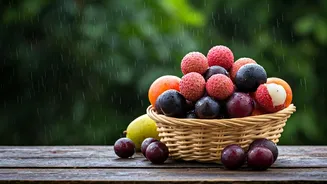



Jamun: The Star of the Season
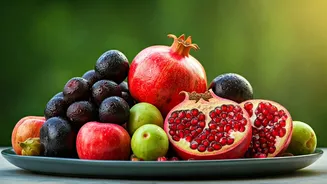
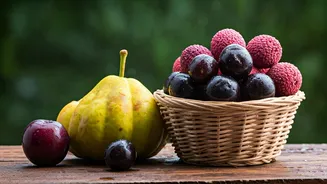
No monsoon fruit list is complete without the iconic Jamun, or Java plum. Its deep purple hue and unique sweet-tart flavour are synonymous with the rainy season in India. Beyond its nostalgic appeal, Jamun is a nutritional powerhouse. It is low in calories
but rich in iron, potassium, and vitamins A and C. The iron content acts as a blood purifier and helps increase haemoglobin, which is particularly beneficial for combating the fatigue that can accompany the gloomy weather. Jamun is also celebrated for its potential to help regulate blood sugar levels, making it a favourable choice for many. Its antioxidants and antibacterial properties can aid in digestion and help address common monsoon skin issues like acne.
Litchi: A Sweet Burst of Immunity
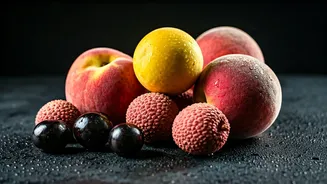
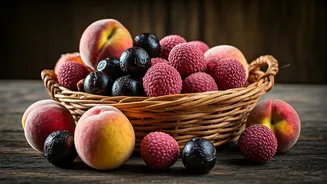
The short but glorious litchi season often overlaps with the beginning of the monsoon, offering a final taste of summer’s sweetness. This translucent, juicy fruit is more than just a treat; it’s an excellent source of Vitamin C. A strong immune system is your best defence against the coughs and colds that are rampant during this time, and the high Vitamin C content in litchis stimulates the production of white blood cells to fight infections. Litchis are also rich in dietary fibre, which supports digestive health, and their high water content makes them incredibly hydrating. The antioxidants found in litchis, like polyphenols, help protect the body's cells from damage.
Peaches (Aadu): For Glowing Skin
The fuzzy, fragrant peach, known as Aadu, is another monsoon delight. Its juicy flesh is packed with essential vitamins like C, A, and E, along with potassium and fibre. The high humidity during the monsoon can take a toll on your skin, but the combination of Vitamin C and A in peaches helps promote skin health. Vitamin C aids in collagen production, which maintains skin elasticity, while Vitamin A contributes to a healthy complexion. Furthermore, peaches are a good source of antioxidants that help fortify your immune system against seasonal ailments. Their dietary fibre content also aids in maintaining a healthy digestive system, which can often become sluggish during this season.
Plums (Aloo Bukhara): The Digestive Aid
The vibrant, reddish-blue skin and sweet-tart taste of plums, or Aloo Bukhara, make them a popular choice during the rains. One of their most significant benefits is their high content of dietary fibre. This makes them excellent for promoting regular bowel movements and preventing constipation, a common complaint during the monsoon. Plums are also packed with Vitamin C, which is crucial for strengthening the body’s resistance against common infections. With a high water content, they contribute to keeping you hydrated. The antioxidants present in plums, such as anthocyanins, not only give the fruit its colour but also help protect your body’s cells from oxidative stress.
Cherries: The Anti-Inflammatory Gem
These small, ruby-red fruits are a delicious way to combat inflammation. Cherries are rich in antioxidants and anti-inflammatory compounds like anthocyanins. This can be especially helpful during the monsoon when joint pains can sometimes flare up due to the damp weather. Their antioxidant properties also help your body repair damage caused by free radicals, keeping you healthier at a cellular level. Cherries are a good source of vitamins C and B, which help boost immunity and promote healthy skin and hair. They are also known to contain melatonin, which can aid in better sleep and mood regulation, perfect for dreary, rainy days.
Pomegranate (Anaar): The Immunity Shield
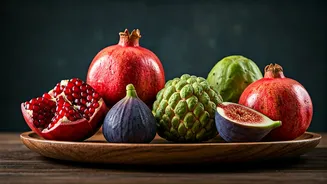
While available for a longer season, the pomegranate is particularly beneficial during the monsoon. Each ruby-like seed is bursting with powerful antioxidants, especially punicalagins, which are known for their potent anti-inflammatory and antiviral properties. Studies have suggested that these compounds can be effective in fighting viruses, including those that cause the common cold and flu, potentially reducing the length of an illness. Pomegranates are also an excellent source of Vitamin C, further enhancing their immune-boosting capabilities. Including this fruit in your diet can help build a strong defence against the various infections that circulate during the rainy season.