





The Other Side of Paradise
For years, Goa’s identity has been tied to the sun-and-sand frenzy of December and January. But for a growing number of travellers, that version of Goa—with its traffic-choked roads and fully booked everything—is the exact opposite of a vacation. The
alternative? Visiting during the monsoon, roughly from June to September. This is the off-season, where the state sheds its party-hard skin and reveals a more tranquil, authentic soul. [5, 6] The non-stop parties and bustling flea markets are replaced by the rhythmic sound of rainfall and the luxury of having vast stretches of nature almost to yourself. It’s a chance to experience the local culture more intimately, without the tourist rush. [6, 14]
A Greener, More Dramatic Landscape
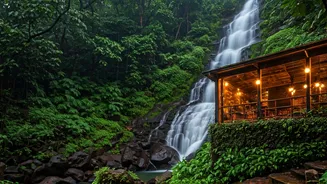
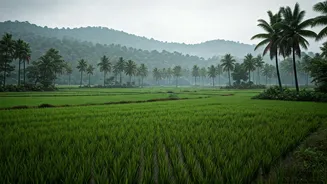
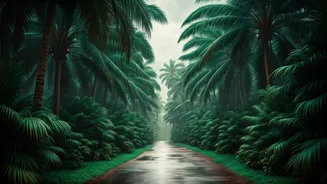
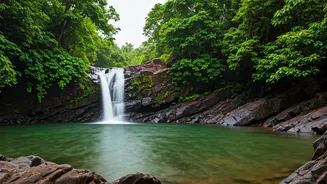
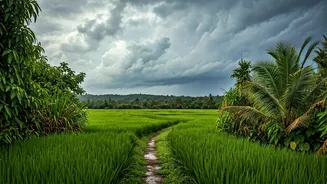
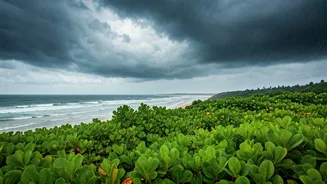
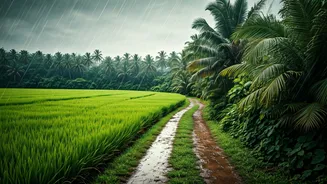
The most immediate and striking difference during the monsoon is the landscape. The rains transform Goa into an emerald paradise. [14] The paddy fields become a vibrant, electric green, the rivers swell, and the state’s famous waterfalls, often mere trickles in the dry season, become roaring spectacles. The journey to Dudhsagar Falls, which means 'Sea of Milk', is a prime example. During the monsoon, it's at its most powerful and majestic, a sight that summer tourists miss entirely. [3, 7, 15] Trekking through the lush, rain-washed forests of wildlife sanctuaries like Bhagwan Mahavir and Bondla becomes a primary attraction, with diverse flora and fauna coming to life. [9, 10, 12] Driving through the Ghats, with clouds rolling over the mountains, offers panoramas that are a treat for the senses. [2]
Activities Beyond the Beach
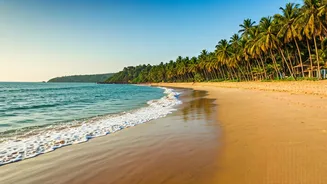
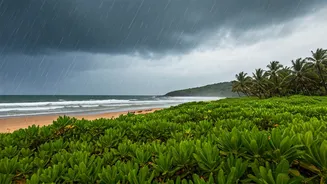
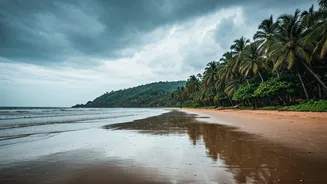
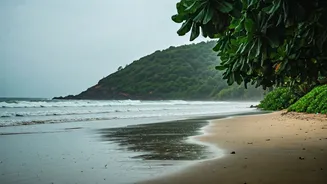
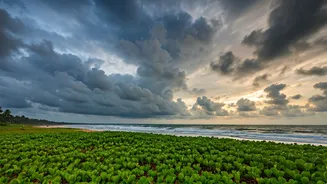
While swimming in the rough monsoon sea is not advisable, the coast still offers a different kind of beauty. [4, 9] Long, quiet walks on deserted beaches become a meditative experience. [12] But the real magic of monsoon Goa lies inland. Spice plantations in areas like Ponda come alive, their fragrances heightened by the rain. [9] A guided tour offers a fascinating glimpse into the cultivation of pepper, cardamom, and cinnamon, often followed by a traditional Goan meal. [18, 21] For the more adventurous, some rivers become suitable for white-water rafting, offering Grade 2 to 5 rapids. [3] It’s also the perfect time to explore the historic churches and ruins of Old Goa at a leisurely pace, without the usual crowds. [5, 23]
The Perks of Off-Season Travel
Beyond the aesthetic and experiential advantages, there are significant practical benefits. The biggest draw for many is the cost. Flights, luxury accommodations, and vehicle rentals are drastically cheaper, with discounts of up to 70% being common. [8, 16] This allows for a more luxurious stay on a smaller budget. Restaurants and cafes are less crowded, meaning no long waits for a table and often more attentive service. [5] You can explore the winding Goan roads on a rented scooter without the frustration of peak-season traffic jams, discovering hidden villages and scenic by-lanes at your own pace. [3, 5]
Know Before You Go
A monsoon trip to Goa requires a slight shift in mindset. It’s not a typical beach holiday. Many of the famous beach shacks are dismantled during this time, and the vibrant nightlife is considerably toned down. [4] The sea is too rough for swimming or water sports. [8] The rain can be relentless, sometimes for days, which can disrupt plans. [13] It's essential to pack waterproof gear and be prepared for a slower, more relaxed pace. While many popular restaurants in the tourist belts of Baga and Calangute remain open, some establishments in more remote areas might be closed. [2] The reward for this flexibility is a more peaceful, personal, and deeply refreshing Goan experience.