








The Dark Side of the 'Dark Store'
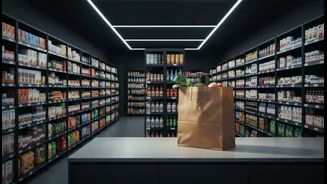
The engine of quick commerce is the 'dark store'—a small, neighbourhood-level warehouse optimized for speed, not for retail foot traffic. While this model enables rapid delivery, it has also become a focal point for safety concerns. Recent inspections
have brought unsettling issues to light. In 2025, the Food and Drug Administration (FDA) in Maharashtra suspended the licenses of dark stores operated by both Blinkit and Zepto for significant hygiene violations. Issues included fungal growth on food, improper storage temperatures, and mixing expired items with fresh stock. These incidents, amplified by social media, have made consumers acutely aware that the promise of speed might come at the expense of basic food safety standards that are harder to monitor in these closed-off facilities.
Regulatory Scrutiny Catches Up
Regulators are taking notice of the growing consumer complaints. The Food Safety and Standards Authority of India (FSSAI) has significantly increased its oversight of the quick-commerce sector. In mid-2025, the FSSAI met with representatives from over 70 e-commerce platforms, warning that non-compliance with food safety protocols would lead to severe action. The authority has mandated a series of changes, including the prominent display of FSSAI license numbers on receipts, mandatory food safety training for all handlers, and greater transparency regarding warehouse locations. More recently, in July 2026, the FSSAI issued nine notices to Swiggy Instamart following complaints of receiving expired, spoiled, and contaminated goods. This public regulatory action validates consumer concerns and signals that systemic issues, not just isolated incidents, are at play.
The Human Cost of Convenience
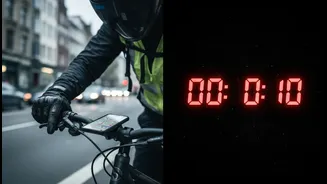
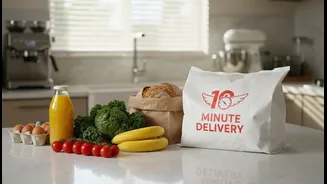
Beyond the quality of the groceries, shoppers are increasingly considering the human element. The 10-minute delivery promise places immense pressure on delivery riders. Studies and worker protests have highlighted the precarious nature of gig work, characterized by long hours, low net income after costs, and the stress of racing against the clock in hazardous traffic conditions. Many riders are classified as 'partners', not employees, leaving them without key benefits like health insurance or paid leave. A nationwide strike on New Year's Eve in 2025 brought this issue to the forefront, with workers arguing the delivery model encourages reckless riding and creates income instability. This growing awareness of the potential exploitation behind their convenience is leading many consumers to question the ethical sustainability of the entire model.
When Customer Support Fails
A key reason for heightened scrutiny is the frustrating experience many customers face when things go wrong. When an expired product is delivered or an item is missing, the path to resolution is often a dead end. Customers report being funnelled into automated chat loops that fail to connect them with a human agent, or being told to send emails that go unanswered. This lack of effective and accessible customer support means that even small errors erode trust significantly. When refunds are denied or only offered as in-app credit, consumers feel their concerns are not being taken seriously, leading them to share their negative experiences online and file formal complaints, contributing to a broader narrative of declining service quality.