


Understanding the Vegetarian Thali
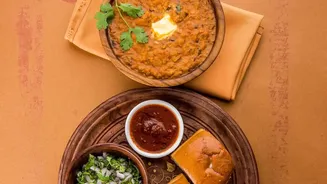
The foundation of Indian vegetarian meals remains the 'thali'—a balanced platter of staples. This typically includes rotis or rice, a dal (lentils), a sabzi (vegetable curry), and perhaps some curd or salad. While food spending accounts for a significant
portion of household expenditure, this share is decreasing as incomes rise. According to the Household Consumption Expenditure Survey (HCES), rural households spend about 47% on food, while urban households allocate around 40%. This indicates a shift towards more spending on non-food items, but the grocery bill remains a central focus for budget-conscious families. Recent data shows that the cost of preparing a vegetarian thali at home has been increasing, making budget management more critical than ever.
The Fluctuating Cost of Vegetables
Vegetables are the most volatile component of the food budget. Prices can swing dramatically based on seasonality, weather conditions, and supply chain disruptions. For instance, recent reports from October 2026 show prices of several vegetables in cities like Pune increasing by 15-20% in just a week due to heat and lack of rain. Onions, a cornerstone of Indian cooking, saw a staggering 89% year-on-year price jump in September 2026 due to tight supplies and a decline in production. As of mid-October, onions are retailing at around ₹50-70 per kg in various markets, while potatoes are around ₹35-40 and tomatoes are ₹30-40. This unpredictability requires households to be flexible, often substituting pricier vegetables with more affordable seasonal alternatives.
The Pulse of the Pantry: Dals and Grains
Dals (pulses) and grains like rice and wheat form the protein and carbohydrate backbone of a vegetarian diet. Their prices tend to be more stable than fresh produce but are still subject to inflation and supply issues. In recent weeks, prices for major pulses like tur (arhar) dal and chana have risen by ₹10-20 per kg in wholesale markets due to supply shortages and adverse weather. This has translated to even higher retail prices, with tur dal averaging around ₹128 per kg nationally as of October 12, 2026. Similarly, the average retail price for rice stood at about ₹47 per kg, with atta (wheat flour) at nearly ₹38 per kg. These staples are non-negotiable for most families, and even minor price hikes can strain a monthly budget.
Dairy and Other Essentials
Dairy products like milk, paneer, and curd are vital sources of protein and fat in many vegetarian households. Milk prices have remained relatively stable but are a significant recurring expense, with the national average retail price hovering around ₹61.5 per litre. Cooking oils are another essential whose prices have contributed to rising thali costs. Despite some government interventions to lower import duties, strong festive demand has kept prices for vegetable oils elevated, showing a year-on-year increase. These items, often bought weekly, form a consistent and considerable part of the overall food expenditure.
Smart Strategies for a Healthy Budget
Managing a vegetarian food budget effectively doesn't mean compromising on nutrition; it means shopping smarter. One of the most effective strategies is to buy local and seasonal produce, which is often 30-60% cheaper than supermarket equivalents. Planning meals for the week and creating a strict shopping list helps avoid impulse buys. Buying staples like rice, flour, and certain dals in bulk can lead to significant savings, often between 5-15%, though it's wise to avoid bulk-buying perishable items. Simple habits like carrying your own bags, comparing prices between local mandis and online apps, and reducing food waste by using leftovers can collectively make a substantial difference to your monthly grocery bill.