








The Problem with a Single, Long List
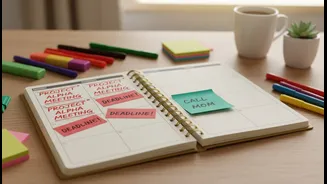
A single, sprawling to-do list is often a recipe for stress, not success. When a critical work deadline sits next to ‘organise the spice rack’ and ‘plan next year’s family holiday’, your brain struggles to distinguish true priorities from minor tasks.
This lack of hierarchy leads to decision fatigue, where you spend more energy deciding what to do next than actually doing it. Research shows that people have a natural 'completion bias', meaning we often tackle small, easy tasks first to get a quick sense of accomplishment. This feels productive, but it means high-impact goals can be perpetually pushed aside. A single list treats every item as equally important, which is rarely the case, leading to a feeling of being busy but not productive.
The ‘Must-Do’ List: Your True Priorities
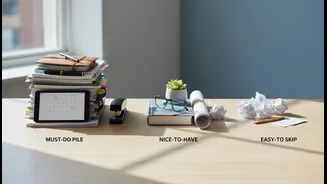
This is your non-negotiable list. These are the tasks that are critical to your goals and have significant consequences if not completed. Think of it as the foundation of your day or week. If you get nothing else done, completing these items means you have succeeded. To identify a Must-Do, ask yourself: Is there a hard deadline? Will failing to do this cause a major problem at work or home? Is this task a crucial step toward a major personal or professional goal? Examples include finishing a report due tomorrow, booking flights for a confirmed trip, or attending your child's school function. These tasks are often both urgent and important. Keep this list short and focused—if everything is a must-do, then nothing truly is.
The ‘Nice-to-Have’ List: The Value-Added Extras
This list contains your 'should-have' and 'could-have' items. These are tasks that would be great to accomplish, adding value, convenience, or enjoyment, but they are not essential. If your week gets derailed, these are the first things you can postpone without major fallout. This category helps you manage expectations and add flexibility to your schedule. Examples could be trying a new recipe, decluttering a cupboard, calling a friend to catch up, or doing extra research for a project that isn't due for a month. By separating these from your Must-Do list, you give yourself permission to focus on what's critical first, and then tackle these bonus tasks if time and energy permit. It turns them from sources of pressure into opportunities for extra achievement.
The ‘Easy-to-Skip’ List: The Art of Letting Go
This is arguably the most powerful list of all. It’s for tasks you can delegate, delay indefinitely, or delete entirely. We all have tasks that linger on our lists out of habit, guilt, or a vague sense of obligation. Actively identifying these is liberating. To find your Easy-to-Skip items, ask: Does this task truly align with my goals? What is the worst that happens if I don't do this? Can someone else do it? This is where you might put things like attending an optional meeting with no clear agenda, organising a bookshelf that is perfectly functional, or worrying about a minor issue that has no real impact. This approach is similar to the 'Won't-have' category in some productivity methods, which explicitly sets items aside to maintain focus. Creating this list frees up mental energy and time for the things that genuinely matter.
Putting It All Together: A Practical Example
Let’s apply this to planning a big family event, like a wedding anniversary celebration. Your Must-Do list would include: setting a budget, finalising the guest list, booking the venue, and sending out invitations by the deadline. These are the pillars of the event. Your Nice-to-Have list might feature: creating a custom music playlist, designing personalised party favours, or arranging a professional photo booth. The party will still be a success without them, but they add a special touch. Your Easy-to-Skip list could include: hand-making complex decorations when simple ones will do, or trying to cater to every single person's most obscure dietary preference instead of providing a few solid options. By categorising, you ensure the core event is a success while preventing yourself from getting overwhelmed by non-essential details.