



Before You Go: Smart Planning
A responsible trek begins long before you hit the trail. The monsoon season brings specific challenges and regulations. Many popular trails, especially in states like Karnataka, now have strict rules. Trekkers must book permits online in advance, often
through portals like Aranya Vihara. There are daily caps on the number of hikers allowed on sensitive routes to prevent overcrowding and environmental degradation. For many designated forest trails, hiring a certified local guide is now mandatory, typically with a ratio of one guide per ten trekkers. This not only enhances safety but also supports local communities. Check for recent advisories, as some areas may be completely closed during peak rainfall due to landslide risks. Pack smart by choosing reusable water bottles and containers to minimise waste from the start.
On the Trail: The Leave No Trace Ethos
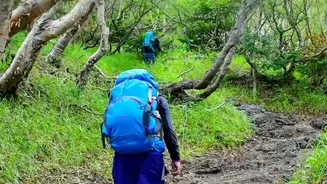
The core principle of eco-trekking is simple: leave the place better than you found it. This means packing out everything you pack in, including all food wrappers, plastic bottles, and any other litter. Even biodegradable items like fruit peels should be carried back, as they can take a long time to decompose in mountain ecosystems and attract animals, altering their natural behaviour. Stick strictly to marked trails. Cutting across switchbacks or creating new paths causes soil erosion, which is a major problem on steep, rain-soaked slopes. It also damages fragile vegetation and disturbs the micro-habitats of insects and small animals. Walk softly and keep your voice low to avoid disturbing wildlife and to allow yourself a better chance of spotting the region's incredible biodiversity.
Monsoon-Specific Responsibilities
Monsoon trekking presents unique environmental challenges. The abundant water sources might seem robust, but they are incredibly sensitive. Never use soaps, detergents, or even toothpaste directly in streams or near waterfalls, as the chemicals can harm aquatic life. Leeches are a common feature of monsoon treks in the Ghats. Instead of using salt, which salinates the soil and harms plants, or chemical sprays, opt for anti-leech socks or simply allow them to fall off naturally. Human waste is another serious concern. If there are no designated toilet facilities, dig a 'cathole' at least 200 feet away from any water source, trail, or campsite, and bury your waste. This prevents contamination of the water that downstream communities and wildlife depend on. Finally, avoid creating campfires, which are often banned and pose a significant risk in forest areas.
Interacting with Nature and Culture
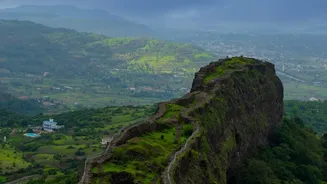
The Western Ghats are not just a wilderness; they are home to unique flora, fauna, and human communities. Respect for all three is paramount. Do not pluck flowers, collect plants, or take any natural souvenirs. These are vital parts of the ecosystem. Observe wildlife from a safe and respectful distance, and never feed animals. Using flash photography can startle and stress animals, so it's best to avoid it. The region is also rich in culture. When passing through villages, be courteous. Dress modestly and engage with locals respectfully. Hiring local guides and purchasing local produce or handicrafts are excellent ways to contribute directly to the local economy, making tourism a positive force for the communities that steward these landscapes.