




The New Travel Companion: Uncertainty
Remember when you could plan a Himalayan trek for June, confident you’d miss the monsoon? Or book a beach holiday in December, certain of clear skies? Those certainties are fading. Across India, weather patterns are becoming more erratic. The monsoon arrives
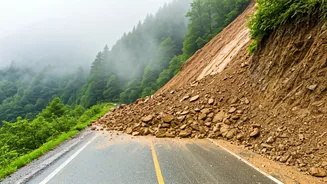
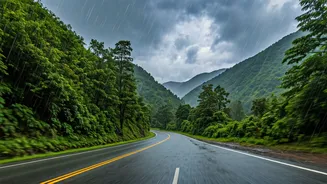
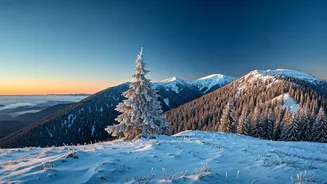
early or late, sometimes dumping a month’s worth of rain in a few days. Winter snows appear in autumn, and heatwaves scorch regions unaccustomed to such extremes. For decades, Indian travel was planned around predictable seasons. Today, that predictability is a luxury. This isn't just an inconvenience; it's a fundamental shift in how we must approach travel. The meticulously planned, clockwork itinerary is giving way to a more fluid, responsive style of exploration. The weather is no longer just a backdrop; it’s an active participant in your journey, demanding respect, preparation, and a willingness to change course.
From Setback to Strategic Shift
The initial reaction to a washed-out trek or a cyclone-threatened holiday is disappointment. But seasoned travellers and local operators are moving beyond frustration and into adaptation. The new mindset isn't about defeating the weather, but about working with it. This strategic shift involves several key changes. Firstly, building ‘buffer days’ into an itinerary is no longer optional, especially in mountainous or remote regions. A day or two of flexibility can be the difference between being stranded and safely waiting out a storm. Secondly, travellers are embracing the ‘shoulder seasons’—the periods just before or after peak season—which often offer pleasant weather but now come with their own gamble. Most importantly, there's a growing appreciation for flexibility. Instead of rigid, pre-booked plans, many are opting for a base location from which they can take day trips based on the immediate forecast, turning a potential setback into an opportunity to discover something unexpected.
Mountain Wisdom: Lessons from the Himalayas
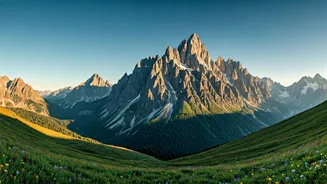
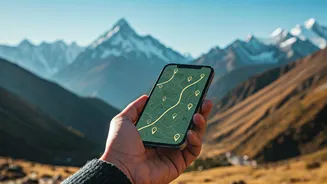
Nowhere is this new reality more apparent than in the Indian Himalayas. For trekkers and mountaineers, unpredictable weather isn't just an inconvenience; it's a serious safety risk. Unseasonal blizzards in September, flash floods in June, and rapidly changing temperatures are the new norm in states like Uttarakhand, Himachal Pradesh, and Ladakh. In response, the local trekking community—guides, porters, and guest house owners—has become an invaluable source of real-time intelligence. Experienced adventurers now prioritise hiring local guides not just for their knowledge of the trail, but for their deep, intuitive understanding of the region's microclimates. They know which streams are likely to swell after a sudden downpour and which passes become treacherous with fresh snow. This reliance on local expertise, combined with better gear and a cautious approach, transforms the adventure. The goal is no longer just to reach the summit, but to navigate the journey safely, respecting the mountain's volatile moods.
An Adventurer's Adaptive Toolkit
So how do you prepare for an adventure where the weather holds all the cards? It starts with your toolkit. First, your gear needs an upgrade. A waterproof jacket and pants are non-negotiable, even on a trip where you don't expect rain. Invest in quick-drying clothes and waterproof bags for your electronics. Second, technology is your friend. Use reliable weather apps like the IMD’s Mausam app, but always cross-reference with international models and, most importantly, local advice. Third, rethink your booking strategy. Opt for accommodations and transport with flexible cancellation policies. The small premium you might pay is worth the peace of mind. Fourth, and perhaps most crucially, get comprehensive travel insurance. Ensure it specifically covers trip cancellations or interruptions due to weather-related events. Finally, adjust your mindset. See a rainy day not as a day lost, but as a chance to explore a local cafe, visit a museum, or simply rest and acclimatise. The adventure is the entire experience, not just the highlights you planned.