








From Medical Device to Fitness Gadget
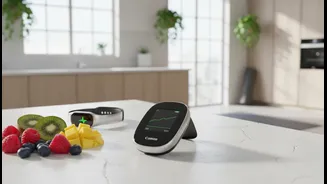
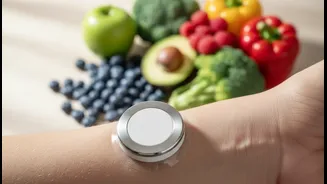
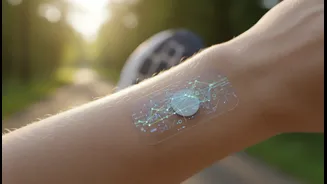
A continuous glucose monitor is a small wearable device that tracks your blood sugar levels in real-time. Traditionally used by people with diabetes to manage their condition, it consists of a tiny sensor inserted just under the skin, often on the back
of the arm, which measures glucose in the interstitial fluid. This data is then sent to a smartphone app, providing a constant stream of information about how your body is responding to food, exercise, and stress. Now, this technology has broken out of the clinical setting and is being embraced by a new audience: healthy, fitness-focused individuals who see it as a tool for bio-hacking their way to peak performance.
The Promise of Peak Performance
Companies marketing CGMs to the general public claim they can unlock a new level of personalised health. The core idea is that by monitoring your glucose levels, you can understand how certain foods affect your energy and mood. For athletes, the promise is even greater. By keeping glucose levels stable, they can avoid energy crashes, or 'bonking', during endurance events. The real-time feedback allows them to fine-tune their nutrition, knowing exactly when and what to eat to optimize fuel for workouts and accelerate recovery afterwards. This moves beyond generic advice to a data-driven strategy for enhancing athletic performance.
Meet the New Wave of Bio-Hackers
The early adopters were elite athletes and tech executives, but the trend is rapidly becoming more mainstream. In India, companies like Ultrahuman and BeatO are marketing CGM devices directly to consumers interested in metabolic fitness, weight management, and general wellness. These users are often not diabetic but are highly motivated to use personal data to improve their health. They use the devices to run experiments on themselves, learning which breakfast provides sustained energy or how a late-night snack impacts their sleep quality. This taps into a growing desire to move from passive health tracking to active, personalised optimization.
A Doctor's Dose of Reality
While the technology is exciting, the medical community urges caution. Many experts point out that there is limited research on the benefits of CGMs for healthy individuals without diabetes. Glucose levels in healthy people are generally well-regulated, and normal fluctuations can sometimes be misinterpreted, causing unnecessary anxiety or dietary restrictions. Some studies have found that CGM data in people without diabetes does not correlate well with the gold-standard blood tests for long-term sugar control, like HbA1c. There's a concern that it could lead to an over-analysis of normal bodily functions, creating a new form of health anxiety without clear benefits. Experts agree that for now, the data is most useful when interpreted with a health professional.
Is It Worth the Investment?
This advanced bio-feedback doesn't come cheap. In India, a CGM sensor, which typically lasts for about 14 days, is part of subscription plans that can run into several thousand rupees. For example, a two-week trial with Ultrahuman can cost around ₹4,700, with longer plans costing significantly more. While this may be a worthwhile expense for a professional athlete seeking a competitive edge, it's a considerable investment for the average person. The question for many is whether the insights gained are valuable enough to justify the recurring cost and the mental effort of constant tracking and data interpretation.