
The Search For Honest Flavours
The novelty of fusion food, which once felt exciting, has for many begun to feel gimmicky or overly complicated. Dishes like 'vada pav fondue' or 'gulab jamun cheesecake' had their moment, but a growing number of people are now seeking something more
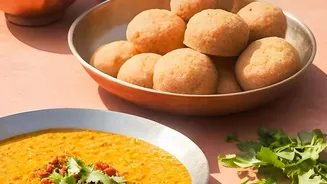
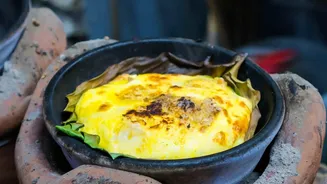
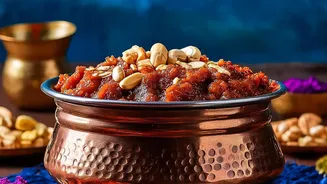
rooted and meaningful. There's a renewed appreciation for food that tells a story of a specific place and culture. Modern diners and home cooks are looking for context and memory on a plate, which hyper-local, traditional recipes provide in abundance. This shift isn't about rejecting innovation entirely, but about a growing desire for food that feels honest and connected to a tangible heritage.
A Return to Generational Health
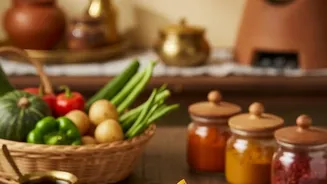
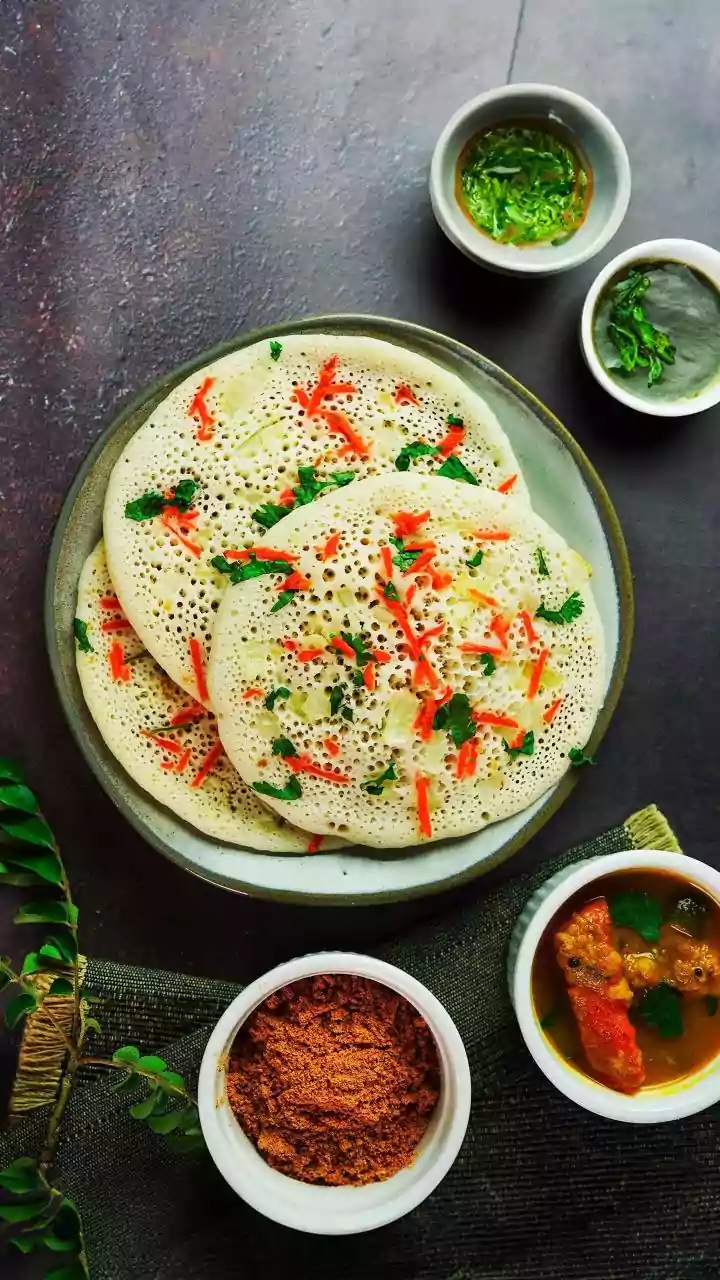
Another powerful driver is health. Traditional Indian diets, shaped over centuries by climate and local produce, are inherently balanced and nourishing. These regional food systems, with their emphasis on whole grains, legumes, seasonal vegetables, and beneficial spices, are increasingly seen as a blueprint for modern wellness. For instance, many traditional meals naturally include probiotics through fermented foods like idli and dosa, or benefit from anti-inflammatory spices like turmeric. Compared to some fusion dishes that can be heavy or unpredictable, these time-tested regional meals are recognised for promoting better digestion, balanced blood sugar, and overall well-being.
Digital Archives and Culinary Pride
Interestingly, the very tool that popularised global trends is now fuelling the return to tradition: social media. Platforms like Instagram and YouTube have become virtual libraries where home cooks document and share forgotten family recipes. Food bloggers and influencers are showcasing the immense diversity of Indian food, moving beyond generic 'North Indian' or 'South Indian' labels to celebrate specific cuisines like Kathiawari, Kumaoni, or Malnad. This digital movement has sparked a renewed sense of regional pride, encouraging a younger generation to learn about their specific culinary heritage and preserve recipes that might otherwise have been lost.
Beyond Butter Chicken
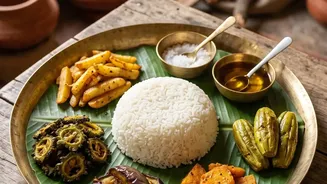
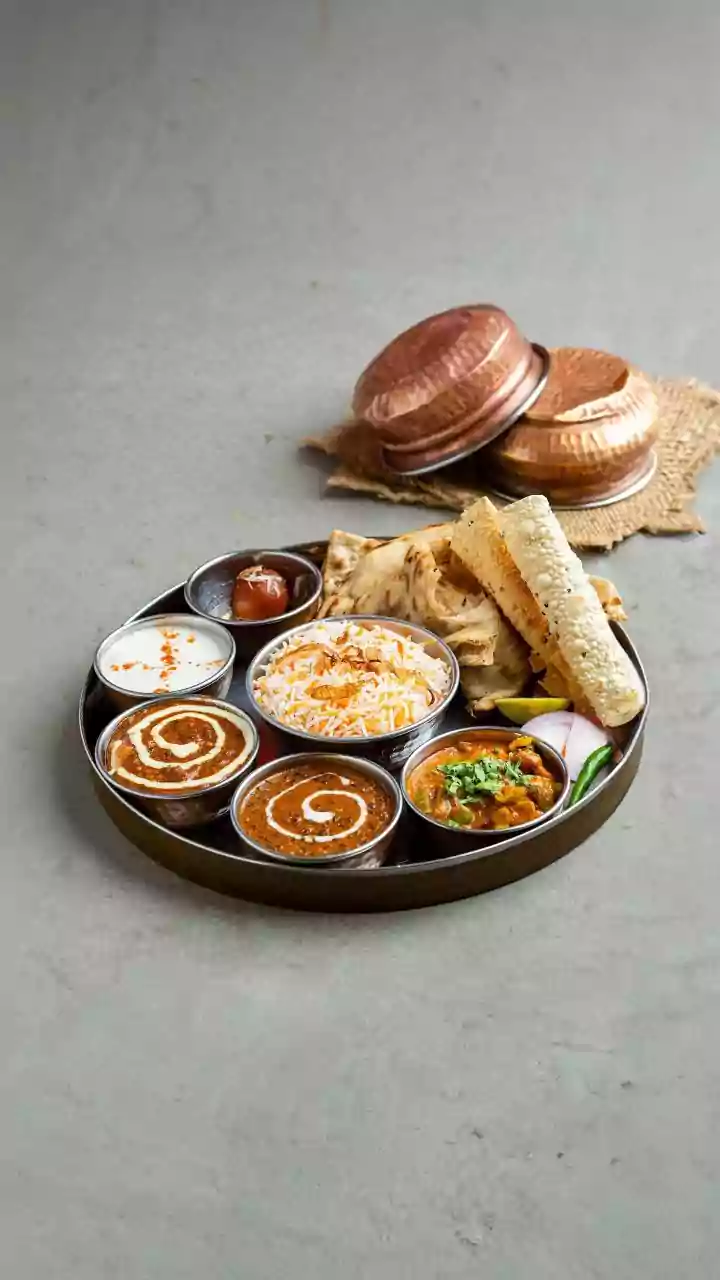
For decades, Indian cuisine in the popular imagination was reduced to a few well-known dishes like butter chicken or dal makhani. The current movement is a direct response to that oversimplification. There's a sharp curiosity about India’s true culinary diversity, acknowledging that food culture can change every 100 kilometres. Cooks and diners are exploring dishes shaped by specific geographies and histories, like Kashmir's sun-dried vegetable curries designed for harsh winters or coastal Kerala's delicate stews based on fresh coconut. This exploration is revealing a culinary landscape defined not by a single rulebook, but by countless local traditions, each with its own story.