

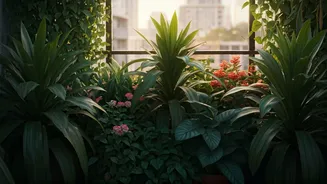


From Concrete Jungle to Green Oasis
Indian cities are rapidly expanding, often replacing green spaces with concrete and asphalt. This contributes to the 'urban heat island' effect, where cities become significantly warmer than surrounding rural areas, leading to increased energy consumption
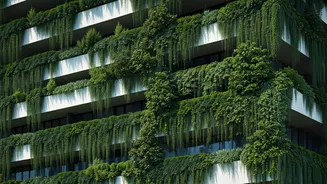
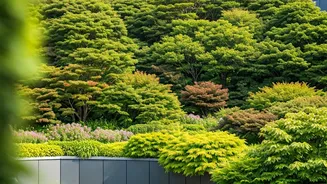
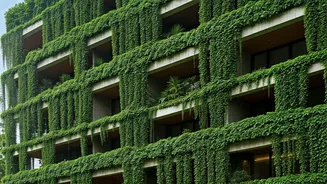
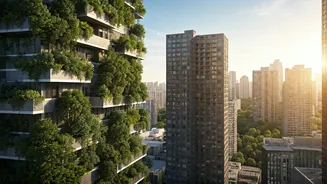
and health risks. But a quiet green revolution is taking root on our rooftops and balconies. The concept of an 'urban forest' isn't just about large, planned parks; it's about creating a network of green spaces, no matter how small. Rooftop gardens, green walls, and even a few well-placed planters can collectively cool buildings, improve air quality by absorbing pollutants, and transform our urban landscapes.
The Power of a Single Pot
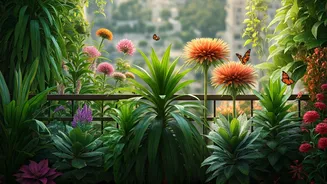
It may seem like a small act, but planting a garden on your terrace or balcony has a significant ripple effect. These small green patches provide numerous benefits. Environmentally, they help mitigate the urban heat island effect, with studies showing that a green roof can lower surface temperatures dramatically compared to concrete. They act as micro-habitats for crucial pollinators like bees and butterflies, which are vital for a healthy ecosystem. In fact, research suggests the diversity of plants in urban gardens can be higher than in some natural habitats, providing a year-round food supply for these insects. Beyond the environment, gardening is a well-known stress reliever that promotes mental and physical well-being. And, of course, it provides access to fresh, chemical-free herbs and vegetables right at home.
Your First Steps to a Terrace Forest
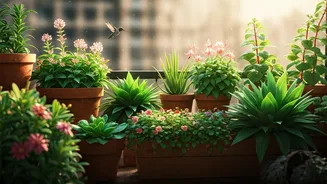
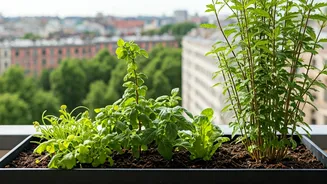
Starting your own terrace garden is simpler than you might think. First, assess your space. Check that your terrace has good drainage, can support the weight of pots, and identify spots that get at least 5-6 hours of sunlight daily, as most vegetables and flowering plants need this to thrive. Instead of heavy cement pots, consider lightweight grow bags or recycled containers. The most crucial element is the soil. Avoid using heavy garden soil, which compacts easily in pots. A light, well-draining mix is ideal. A popular recipe for beginners is a blend of 40% garden soil, 30% compost (like vermicompost), 20% cocopeat for moisture retention, and 10% sand for drainage.
Think Like a Forest-Maker
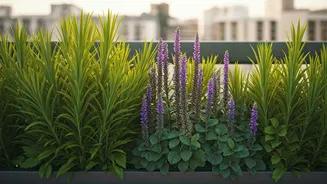
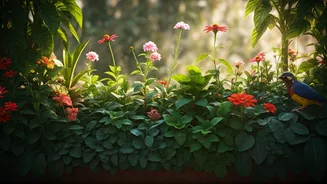
To truly create a mini-ecosystem, think in layers. Use vertical spaces with railing planters and hanging baskets for herbs and flowers. On the floor, place larger pots for vegetables like tomatoes, brinjal, and chillies, or even dwarf fruit trees like lemon and guava. Include flowering plants like marigolds and hibiscus, which are not only beautiful but also attract pollinators, a key component of a healthy garden. To make your garden self-sustaining, start a small compost bin on your terrace. This allows you to turn kitchen scraps into nutrient-rich manure for your plants, reducing waste and eliminating the need for chemical fertilisers. Regular pruning and harvesting will encourage fresh growth and higher yields.
Connecting Gardens, Growing Communities
A single terrace garden is a start, but its impact multiplies when it inspires others. When neighbours see a flourishing green space, it often encourages them to start their own. This creates a network of green 'stepping stones' across the urban landscape, connecting fragmented habitats and creating corridors for wildlife like birds and insects. These individual efforts collectively enhance biodiversity, reduce city-wide temperatures, and manage stormwater runoff. Rooftop gardens can also become social hubs where people share tips, exchange seeds, and build a sense of community around a shared purpose of making their city greener and healthier.