




More Than Just a Condiment
In India, chutney is not just a side dish; it is an integral part of the meal that can transform a simple plate of food. The word itself comes from the Hindi 'chatni', meaning 'to lick', a testament to its irresistible nature. Unlike the often sweet,
fruit-based preserves that became popular in Britain during the colonial era, traditional Indian chutneys are incredibly diverse. They can be fresh or cooked, spicy, tangy, sweet, or sour, and made from a staggering variety of ingredients including herbs, vegetables, fruits, lentils, and even seeds. Their history is ancient, with early forms mentioned in Ayurvedic texts over two millennia ago as digestive aids, designed to balance meals and promote wellness. This deep-rooted tradition of creating complex flavour profiles from fresh ingredients is precisely what is capturing the attention of modern food lovers.
A Taste of the Land
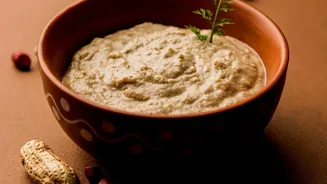
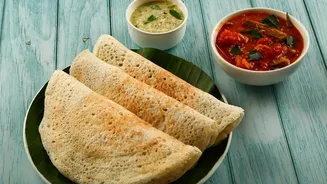
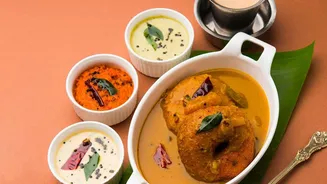
The true genius of Indian chutney lies in its hyper-local nature. Each region has its own signature versions, born from the specific produce that thrives in its soil and climate. In Andhra Pradesh and Telangana, the sour notes of gongura (sorrel leaves) create a fiery and pungent chutney that is deeply cherished. Head to the Himalayan state of Uttarakhand, and you might find bhang ki chutney, a nutty and smoky condiment made from roasted hemp seeds, perfectly paired with local millet rotis. In the South, freshly grated coconut forms the creamy base for a host of chutneys, often tempered with crackling mustard seeds and fragrant curry leaves. These chutneys are a direct expression of their environment, a culinary map of India's immense biodiversity. They celebrate ingredients that are often unknown outside their native regions, telling a story of place with every spoonful.
From Home Kitchens to Global Tables
For generations, these recipes were the domain of home cooks, passed down through families with slight variations that made each household's chutney unique. Today, a new wave of Indian chefs is championing this heritage, bringing regional and forgotten recipes to the forefront of fine dining, both in India and abroad. Chefs like Manish Mehrotra have long been celebrated for elevating regional dishes, pairing them with inventive chutneys that surprise and delight diners. Others, like Atul Kochhar in London and Hari Nayak in Bangkok, are specifically focusing on lesser-known regional cuisines, from the Northeast to the coastal areas, introducing a global audience to a more nuanced and authentic Indian culinary landscape. This movement has been recognized by international food guides, with several Indian chutneys recently ranking among the world's best.
The New Craving for Authenticity
The rising popularity of regional Indian chutneys coincides with a broader global shift in dining. Diners are increasingly curious, seeking authentic stories and unique flavours over standardized fare. They want to know the origin of their food and appreciate the cultural context behind it. Chutneys fit this desire perfectly. They are often inherently healthy, packed with vitamins, antioxidants, and digestive benefits from ingredients like mint, ginger, tamarind, and garlic. As plant-based diets grow in popularity, these flavour-packed, often vegan condiments offer a way to add complexity and satisfaction to meals without relying on heavy sauces. The intricate balance of sweet, sour, spicy, and savory in a single chutney speaks to a sophisticated palate that is eager to explore beyond the familiar.