





A Significant Loss of Business
The headline figure from SITA's 2026 Passenger IT Insights report is stark: four in ten travellers have decided against booking a flight because they anticipated the experience would be too stressful. The survey, which gathered responses from nearly 8,000
passengers across 24 countries, reveals a crucial vulnerability for the aviation industry. This isn't a minor issue of passenger discomfort; it represents a substantial loss of revenue. As SITA's CEO, David Lavorel, noted, every trip won back is a seat filled, a parking space sold, and a coffee bought in the terminal. The problem is especially acute among the most valuable customer segments. A staggering six in ten frequent flyers have abandoned a trip over stress concerns, along with more than half of travellers under the age of 30, who represent the next generation of core customers.
The Anatomy of Travel Anxiety
The stress doesn't stem from a fear of flying itself, but from operational friction on the ground. Passengers identified their main frustration points as flight delays and cancellations, long queues, and uncertainty about checked baggage. The period between clearing security and reaching the boarding gate, often called 'dwell time,' has become a particular hotspot for anxiety. According to the SITA report, a third of passengers now feel anxious during this phase, a threefold increase from 2023. This is the critical window when airports and their retail partners generate commercial revenue from shops and restaurants. When passengers are stressed and worried about missing their flight, they are far less likely to relax and spend money, directly impacting the airport's bottom line.
The Technology Paradox
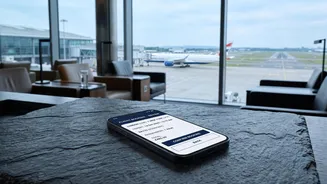
Ironically, in an age of countless travel apps and digital tools, the passenger experience often feels more fragmented than ever. The core issue identified by the survey is a lack of clear, reliable information. Most of the stress comes down to not knowing what happens next. When a flight is delayed or a gate is changed, passengers are often the last to know, leading to a sense of powerlessness. However, travellers overwhelmingly believe that technology holds the key to a better experience. Eight in ten respondents said they believe technology can make air travel less stressful, a figure that rises to nearly 90% among frequent flyers and younger passengers. They don't want more apps; they want a single, seamless flow of information that keeps them in control.
A Path to a Calmer Journey
The industry is taking note and exploring solutions that prioritise passenger confidence. SITA points to the power of data sharing between airlines, airports, ground handlers, and border agencies. When these entities communicate effectively, passengers can receive real-time updates directly on their phones. Imagine getting an alert about a new departure time, with clear directions to the new gate and confirmation of your bag's location. The report highlights the United Arab Emirates as a success story. There, 77% of passengers used technology at border control, and only 13% reported negative emotions during that stage, compared to 37% globally. This demonstrates that deploying technology like biometrics and digital identity verification can dramatically reduce stress at known bottlenecks. Four in ten travellers also said they would be comfortable receiving AI-generated travel updates.