






The Rise of a Slower, Smarter Way to Travel
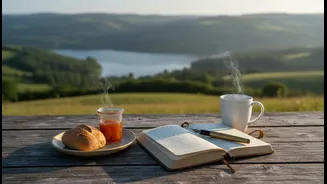
In a world that constantly demands we go faster, a growing movement is encouraging us to slow down, especially when we travel. Slow travel is a philosophy that pushes back against the “five cities in seven days” style of vacationing. It’s not just about
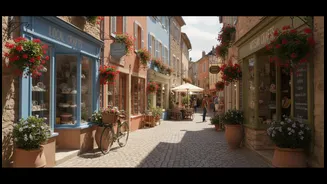
moving at a glacial pace; it's about prioritising depth over breadth, connection over consumption. Instead of rushing between landmarks, a slow traveller might spend an entire week in one neighbourhood, discovering local cafes, understanding the rhythm of daily life, and truly immersing themselves in a place. This approach stems from the Slow Food movement that began in Italy, which championed local traditions against the rise of fast food. Similarly, slow travel is a rebellion against the often exhausting and superficial nature of mass tourism.
Why 'Slow' Doesn't Mean 'Empty'
A common fear about slow travel is boredom. If you’re not constantly moving and seeing new things, will your trip feel empty? This is where the “experience-led” part of the equation becomes crucial. An experience-led trip is one that prioritises active participation over passive observation. It’s the difference between seeing a photo of a famous dish and learning to cook it with a local chef. It's about shifting the goal from simply ‘seeing’ a destination to ‘feeling’ it. By focusing on hands-on activities, cultural workshops, or community interactions, you give your slower journey a sense of purpose and engagement. The trip is no longer about the landmarks you collect, but the memories and skills you create.
Putting the 'Full' in Fulfilling Travel
Combining slow travel with an experience-led focus creates a powerful recipe for a deeply fulfilling holiday. Spending more time in one place reduces the stress of constant packing and transit, freeing up mental and physical energy. You can use that extra time and energy to engage in more meaningful activities. Imagine spending a week in a Coorg coffee estate, not just staying there, but participating in the bean-to-cup process. Or settling into a neighbourhood in Jaipur and taking a block-printing workshop from a local artisan. These experiences foster genuine connections with people and culture, something that's difficult to achieve when you’re just passing through. This approach also has practical benefits: staying longer often unlocks weekly discounts on accommodations, and supporting local artisans and family-run restaurants keeps your money within the community.
How to Plan Your First Experience-Led Journey
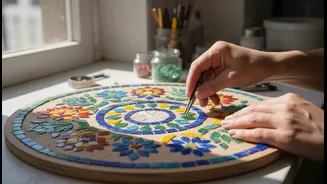
Making the switch can feel daunting, but it starts with a simple shift in mindset. First, choose one base instead of multiple stops. Plan to stay for at least five to seven days to allow yourself to settle in. Research and book one or two key experiences that truly excite you—a cooking class, a guided nature walk with a local expert, a volunteer opportunity, or a local craft workshop. But crucially, leave the rest of your itinerary flexible. The magic of this travel style lies in the unplanned moments: the conversation with a shopkeeper that leads you to a hidden gem, the local festival you stumble upon, or the simple joy of becoming a ‘regular’ at a neighbourhood tea stall. By planning less, you create space for more authentic experiences to happen.