







Why Ticks Thrive in the Monsoon
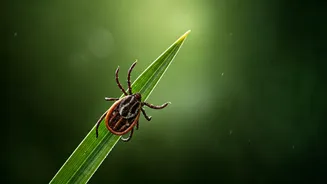
The monsoon creates the perfect environment for ticks to flourish. Increased humidity and moisture are ideal for these parasites to reproduce and quest for a host. [8, 31] They typically wait in tall grass, leaf litter, and dense brush, latching onto
people or animals that brush past. [16, 27] This is why encounters with ticks become far more common during and after periods of rain, turning a refreshing walk into a potential health risk. [31] The combination of damp, overgrown vegetation and more people venturing out for treks makes this season particularly hazardous.
Diseases to Be Aware Of in India
While most tick bites are harmless, some can transmit serious illnesses. [9] In India, a primary concern is Kyasanur Forest Disease (KFD), or "Monkey Fever," a viral haemorrhagic fever found mainly in the southwestern states. [3, 10] Symptoms start with chills, fever, and severe muscle pain, and can progress to include bleeding and neurological issues. [3, 11] Other significant tick-borne diseases in the country include Indian Tick Typhus, Lyme disease, and Crimean-Congo Haemorrhagic Fever (CCHF). [14, 18] These diseases often present with flu-like symptoms like fever, headache, body aches, and sometimes a rash, making early diagnosis crucial. [9, 21]
How to Prepare Before Your Walk
Prevention starts before you even hit the trail. Wear light-coloured clothing, which makes it easier to spot ticks. [16, 25] Opt for long-sleeved shirts and full-length trousers. [28] For extra protection, tuck your trousers into your socks and your shirt into your trousers to create a barrier. [16, 23] Apply an EPA-approved insect repellent containing DEET or picaridin to exposed skin and consider treating your clothes and gear with a permethrin-based spray, which kills ticks on contact. [10, 28] Always stick to cleared trails and avoid walking through dense undergrowth or tall grass where ticks are most likely to be waiting. [16, 27]
The Post-Hike Tick Check
Once you return home, a thorough tick check is essential. Ticks prefer warm, moist areas, so carefully inspect your entire body. [4] Pay close attention to the scalp, behind the ears, armpits, belly button, behind the knees, and groin. [25] A mirror can help you check hard-to-see areas. [27] Taking a shower within two hours of coming indoors can help wash off any unattached ticks. [23] Don't forget to check your children, pets, and any gear you took with you, like backpacks or blankets. [16, 23]
How to Safely Remove a Tick
If you find a tick attached to your skin, remove it as soon as possible, as the risk of disease transmission increases after 24 hours. [2] Use fine-tipped tweezers to grasp the tick as close to the skin's surface as possible. [4, 5] Pull upward with steady, even pressure. Do not twist or jerk the tick, as this can cause the mouthparts to break off and remain in the skin. [4] Avoid old myths like using a hot match, petroleum jelly, or nail polish, as these methods can cause the tick to release more saliva, increasing infection risk. [2, 7] After removing the tick, clean the bite area and your hands thoroughly with soap and water or rubbing alcohol. [4, 6]
When to Consult a Doctor
Most tick bites don't lead to illness, but it's important to monitor yourself after a bite. Seek medical attention if you can't remove the tick, or if you develop symptoms in the days or weeks following a bite. [27] Be on the lookout for a rash (especially a bull's-eye pattern), fever, chills, headache, fatigue, or muscle and joint pain. [21, 24] Inform your doctor about the tick bite and your recent outdoor activities, as this information is vital for an accurate diagnosis and timely treatment. [13]