

Why Texture is Your Best Friend
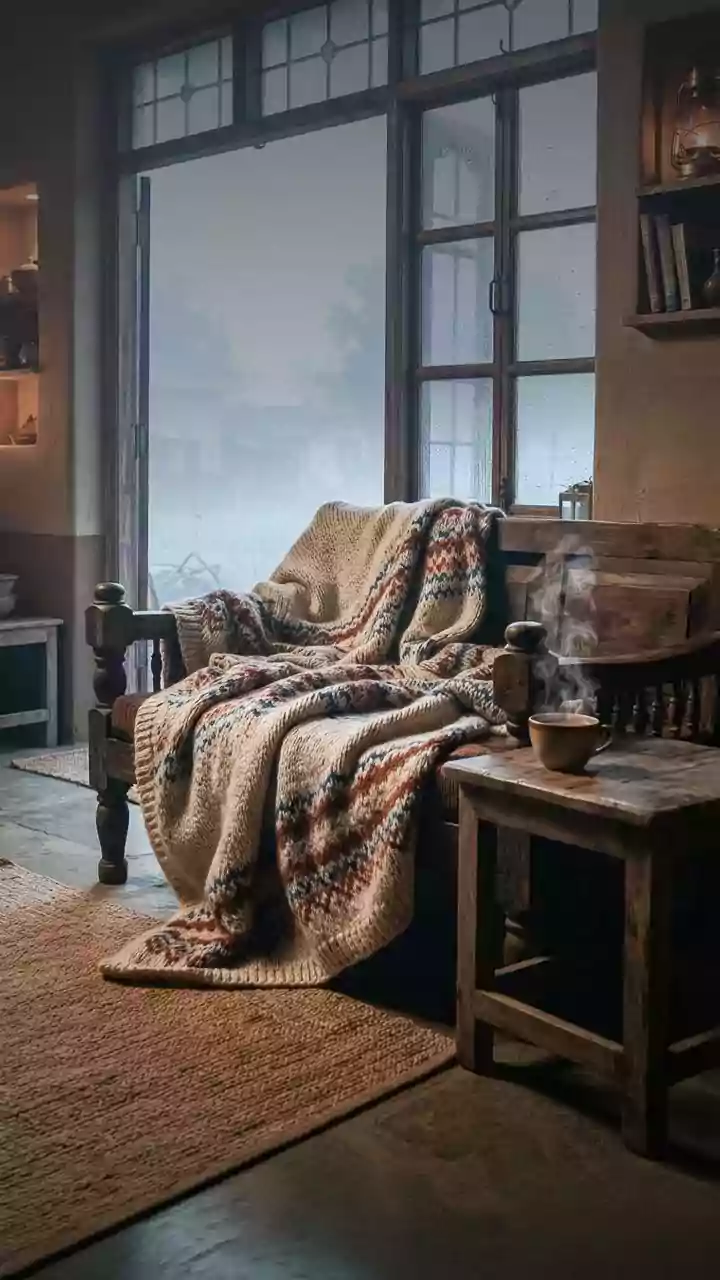
A room filled with only smooth, hard surfaces can feel flat, cold, and impersonal. Texture is what adds character, depth, and a crucial sense of comfort. Think about the feeling of a soft knit throw, a plush velvet cushion, or a woven jute rug underfoot.
These materials engage our sense of touch, which has a powerful psychological effect, making us feel secure and relaxed. This is the core idea behind creating a 'cosy' atmosphere; it’s about making a space feel like a gentle hug. By layering different textiles, you can introduce warmth and personality without adding bulky items that consume precious floor space.
Start From the Ground Up with Rugs
Flooring, often a cool tile or marble in Indian homes, can be a major source of coldness. A well-placed rug is the fastest way to fix this. It anchors your furniture, defines a zone (like a living area within an open-plan room), and adds a foundational layer of softness. Don’t be afraid to layer. A large, neutral jute or cotton dhurrie can cover most of the floor, with a smaller, more plush or patterned wool rug on top to add visual interest and extra comfort. This technique adds dimension and a curated feel without visually cluttering the room.
Soften the Edges with Curtains
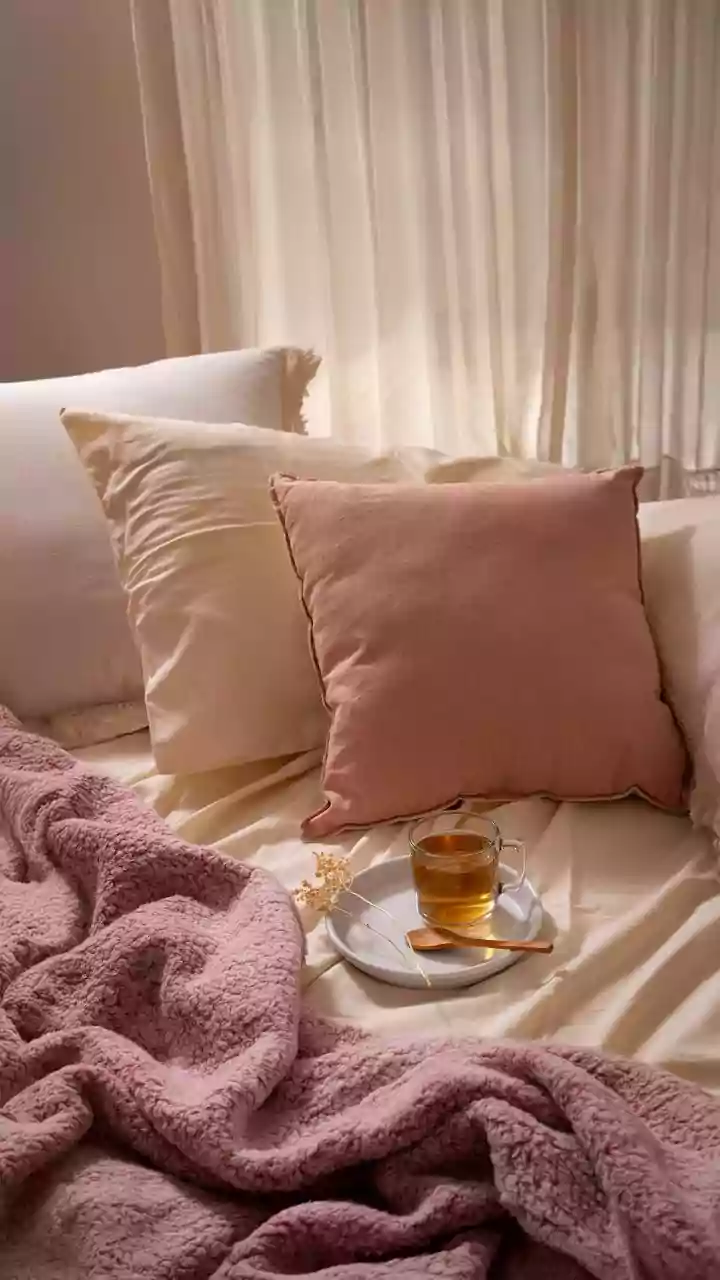
Windows are another area where softness can make a huge impact. Bare windows can feel stark. The right curtains do more than just provide privacy; they frame your view and diffuse harsh sunlight into a soft, inviting glow. For small apartments, sheer cotton or linen curtains are an excellent choice as they allow light to flood in, making the space feel airy and larger. You can layer them with heavier drapes for a more luxurious look and better light control in bedrooms. This layered approach adds a touch of plushness and sophistication.
Pile on the Comfort with Cushions and Throws
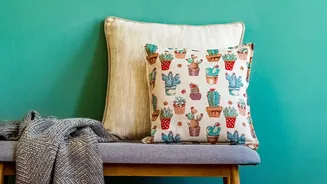
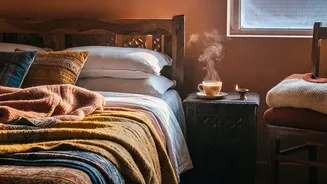
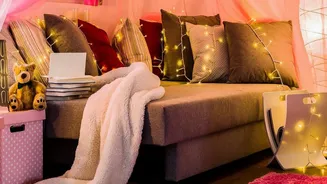
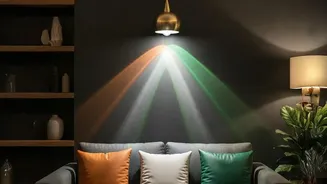
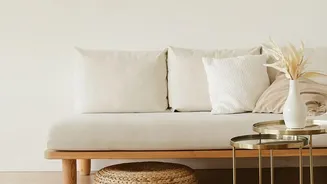
This is where you can truly have fun and inject personality. A collection of cushions on a sofa or bed is the ultimate symbol of comfort. The key is to mix and match different textures. Combine a smooth cotton cushion with a chunky knit one, a velvet bolster, and perhaps one with traditional Indian embroidery. Drape a light throw over the arm of a chair or the foot of your bed. These small additions are easy to swap out with seasons and are incredibly effective at making hard-surfaced furniture feel more welcoming and lived-in.
Think Beyond Fabric
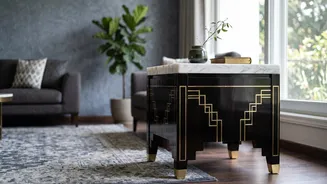
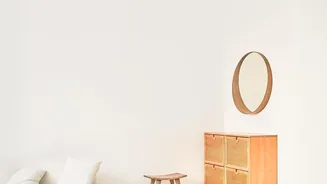
While textiles are the stars of the show, other materials can contribute to the overall textural story. Incorporate elements like raw or reclaimed wood in a side table, woven cane or bamboo in a storage basket, and handmade ceramic pots for your plants. Even a textured wallpaper on an accent wall can add depth without taking up any space. The contrast between these natural, matte textures and softer fabrics creates a rich, dynamic, and visually interesting environment. Balancing these different finishes is key to a harmonious look.
A Guide to Balance
In a compact home, there is a fine line between 'cosy' and 'cluttered'. The goal is edited, intentional layering, not just piling things on. Stick to a connected colour palette of two or three main colours to ensure the space feels cohesive rather than chaotic. Focus your layering in one or two key areas, like the sofa or the bed, leaving other areas more visually clear. This creates inviting nooks without overwhelming the entire apartment. Remember that empty space is also a design element; it gives your eyes a place to rest and prevents the room from feeling cramped.